

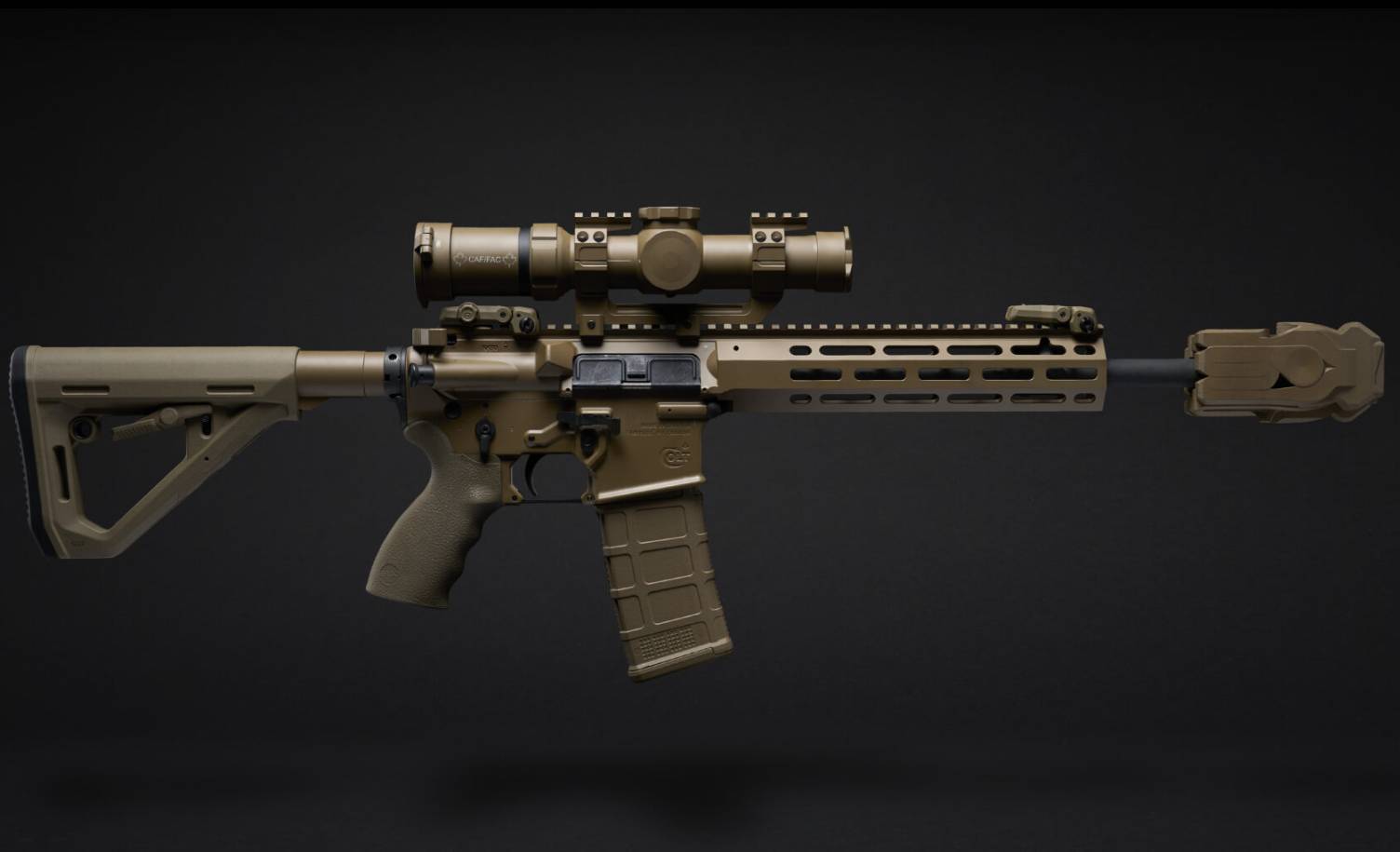
Canada’s next-generation service rifle story is getting seriously interesting. The C25 Service Rifle upgrades are part of a broader push to keep the Canadian Armed Forces’ small-arms fleet relevant in an era where optics, modularity, suppression, and accessory integration matter just as much as raw reliability. And if you’re a firearms nerd, this is exactly the kind of modernization package worth obsessing over.
You Might Also Like
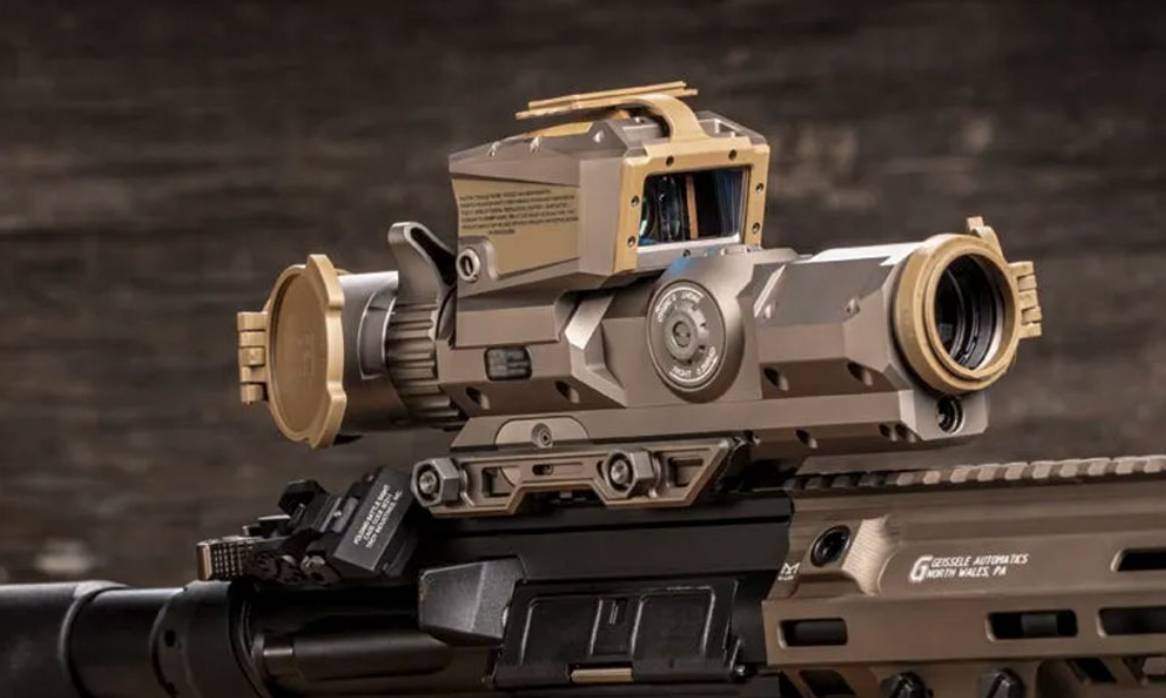

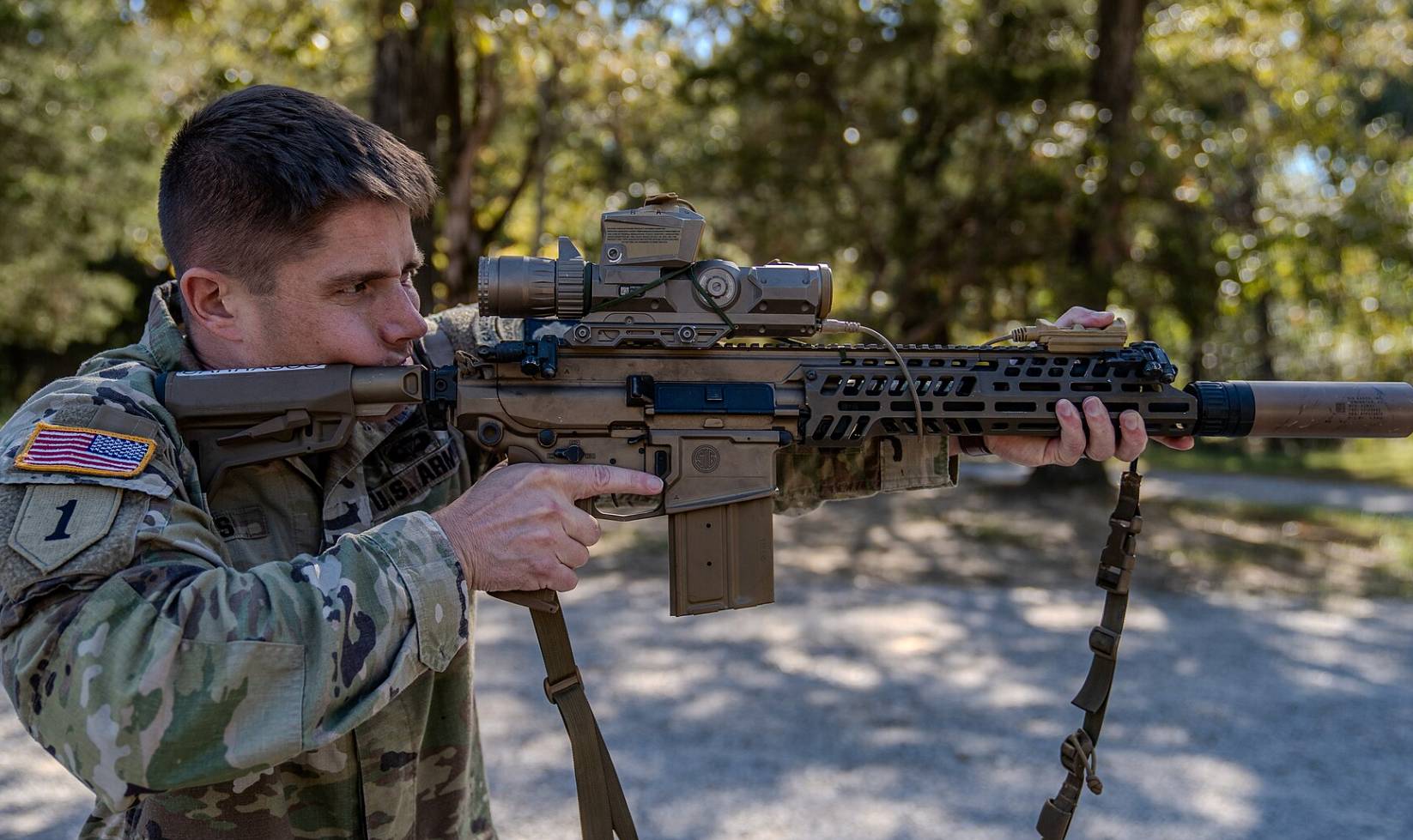

While the classic Canadian infantry rifle ecosystem has long been associated with the C7 family and its many evolutions, the C25 program reflects the modern battlefield’s demand for a more adaptable, more support-friendly weapon platform. The focus is not just on “new rifle” energy. It’s about building a system that can handle optics, night-vision use, better ergonomics, and the kind of mission tailoring that 21st-century soldiers expect as standard.
Why the C25 matters
The big idea behind the C25 upgrades is simple: give Canadian troops a rifle that plays nicely with modern kit. That means better rail space, improved aiming solutions, easier accessory mounting, and a setup that can be tuned for the mission instead of forcing the mission to adapt to the rifle. In practical terms, that translates to faster target acquisition, better hit probability, and more confidence when soldiers are operating in low light, from vehicles, or with heavy load-bearing equipment.
Modern rifle upgrades are rarely about one magic feature. They are about the entire ecosystem. A weapon may be mechanically excellent, but if it cannot accept a suppressor, if its optics mounting is awkward, or if its ergonomics fight the user, it becomes a relic. The C25 effort is aimed squarely at avoiding that fate.
What gets upgraded on a service rifle?
Depending on the final configuration and procurement pathway, service rifle upgrades can include a wide range of improvements. The C25 package is best understood as a modernization bundle rather than a single part swap. Common areas of emphasis include:
- Optics compatibility for red dots, magnified scopes, and thermal or night-vision devices
- Accessory rails for lights, lasers, foregrips, and other mission equipment
- Improved ergonomics through updated stocks, grips, and controls
- Enhanced reliability under adverse conditions and sustained use
- Suppressor readiness for reduced flash and signature management
- Better maintainability to simplify field upkeep and lifecycle support
That combination sounds straightforward, but the engineering tradeoffs are anything but. Add optics and accessories, and suddenly weight distribution changes. Add suppressor compatibility, and gas system behavior can shift. Improve modularity, and you often have to balance durability against complexity. This is where rifle modernization gets deliciously technical.
The engineering angle: balancing old-school reliability with new-school performance
One of the most fascinating parts of any service rifle upgrade is how it tries to preserve the ruggedness troops rely on while adding the bells and whistles of modern combat. In the Canadian case, the C25 concept sits in that sweet spot between legacy durability and contemporary battlefield utility.
Reliability remains the non-negotiable baseline. A rifle that is easy to accessorize but finicky in mud, snow, and hard use is a non-starter. At the same time, troops increasingly need rifles that can accept dozens of configuration options without turning into a rattly science project. The answer usually lies in improved upper receiver interfaces, rigid mounting systems, and higher-quality components that hold zero despite abuse.
Then there’s the optic revolution. A generation ago, iron sights were the default and optics were a premium add-on. Today, even basic service carbines are expected to wear some kind of sighting system. That changes everything. A rifle upgrade program must now account for sight height, cheek weld, co-witness philosophy, and the ability to integrate with night-vision equipment. That means the C25 is not just a rifle update; it’s a full-stack shift in how Canadian soldiers are expected to engage targets.
Likely capability improvements
Exact details can vary by procurement lot and configuration, but a modernized Canadian service rifle package would generally be expected to improve the following areas:
- First-round hit probability through better sighting systems and stability
- Close-quarters handling with improved controls and optimized accessory placement
- Mid-range effectiveness by enabling magnified optics and better zero retention
- Low-light performance through illumination, lasers, and thermal-compatible setups
- Signature management with suppressor-compatible configurations
That’s a powerful mix. In real-world terms, it means a rifle that can be used effectively in urban operations, patrol missions, convoy security, and more conventional infantry roles without forcing major compromises.
Specs snapshot
Public information on the C25 program may be limited depending on the specific upgrade pathway, so the table below focuses on the kinds of characteristics typically associated with a modernized Canadian service rifle package rather than claiming a single finalized configuration.
| Category | Expected modernization focus |
|---|---|
| Platform | Canadian service rifle modernization package |
| Primary role | General infantry rifle use |
| Optics | Day optics, red dots, magnified sights, night-vision compatibility |
| Accessory mounting | Integrated rail/attachment interfaces for lights and lasers |
| Ergonomics | Improved stocks, grips, and controls |
| Suppression | Potential suppressor-ready configuration |
| Supportability | Field maintainability and lifecycle sustainment |
How it compares to older rifle generations
The leap from a traditional service rifle setup to a modernized C25-style configuration is bigger than it looks on paper. Older rifles often excelled at being simple, robust, and accurate enough with irons. But they were not designed around the modern reality of optics-first shooting.
By contrast, the upgrade philosophy behind the C25 is about making the rifle a platform. That word gets thrown around a lot, but it matters. A platform-centric rifle can evolve with changing mission needs, whether that means mounting a low-power variable optic for general-purpose use or fitting specialized sighting and illumination gear for night work. In other words, the rifle stops being a fixed object and becomes a modular system.
This matters enormously for training as well. Soldiers who can train on a consistent, adaptable rifle system build better muscle memory. If the manual of arms is ergonomic, the controls are intuitive, and the optic setup is standardized, that reduces friction everywhere from the range to deployment.
What soldiers actually feel in the hands
All the procurement talk in the world eventually comes down to one question: what does the rifle feel like to use? That’s where the C25 upgrade story gets tactile.
A modern rifle should mount naturally, shoulder cleanly, and present the optic in a way that doesn’t require a weird neck crane. Controls should be reachable without breaking grip. The rifle should be balanced enough to stay quick in transitions while still stable enough for deliberate shots. And if accessories are mounted, they should not turn the handguard into a cheese grater of unused rail space and awkward protrusions.
That balance is the holy grail. When it works, the rifle disappears into the soldier’s workflow. It becomes an extension of the operator rather than an obstacle.
The bigger defense picture
The C25 service rifle upgrades also fit into a wider modernization trend across NATO and allied forces. Infantry combat is increasingly defined by sensor fusion, low-signature operations, and precision at the small-unit level. Rifles are now expected to integrate into a broader digital and tactical ecosystem, even if the rifle itself is not “smart” in the sci-fi sense.
That means the humble service rifle is carrying more responsibility than ever. It must work with optics that can see in darkness, accessories that support target identification, and configurations that adapt across climates and mission sets. In that context, Canada’s modernization approach makes perfect sense. It is not about chasing fashion. It is about ensuring the infantryman’s most basic tool is still cutting-edge enough to matter.
And that’s the real thrill here. Small arms programs do not always get flashy headlines like fighter jets or missile defense systems, but they are where the warfighter experience is most immediate. If you want to understand a military’s priorities, look at what it does with its rifle program. The C25 upgrades suggest a force that understands the modern battlefield is increasingly won by units that can see first, move fast, and hit hard.
What to watch next
If the C25 program continues to mature, the most interesting questions will be about standardization, support, and user feedback. Will the upgraded rifles be fielded with a common optic family? How much suppressor integration will be baked in? Will accessory ecosystems remain consistent across units? And perhaps most important, will troops find the rifle genuinely easier to run under stress?
That last part is everything. A beautiful spec sheet is nice. A rifle that Canadian soldiers trust in sleet, dust, and low light is the real prize.
The C25 upgrade effort is a reminder that the infantry rifle is still one of the most important pieces of military hardware on earth. It may not roar like a jet engine or track like an air-defense radar, but in the hands of a trained soldier, it is a precision instrument with enormous strategic weight. And when that instrument gets a thoughtful modernization pass, the difference can be felt from the factory floor all the way to the front line.