

Understanding the HQ-29: A New Frontier in Missile Defense
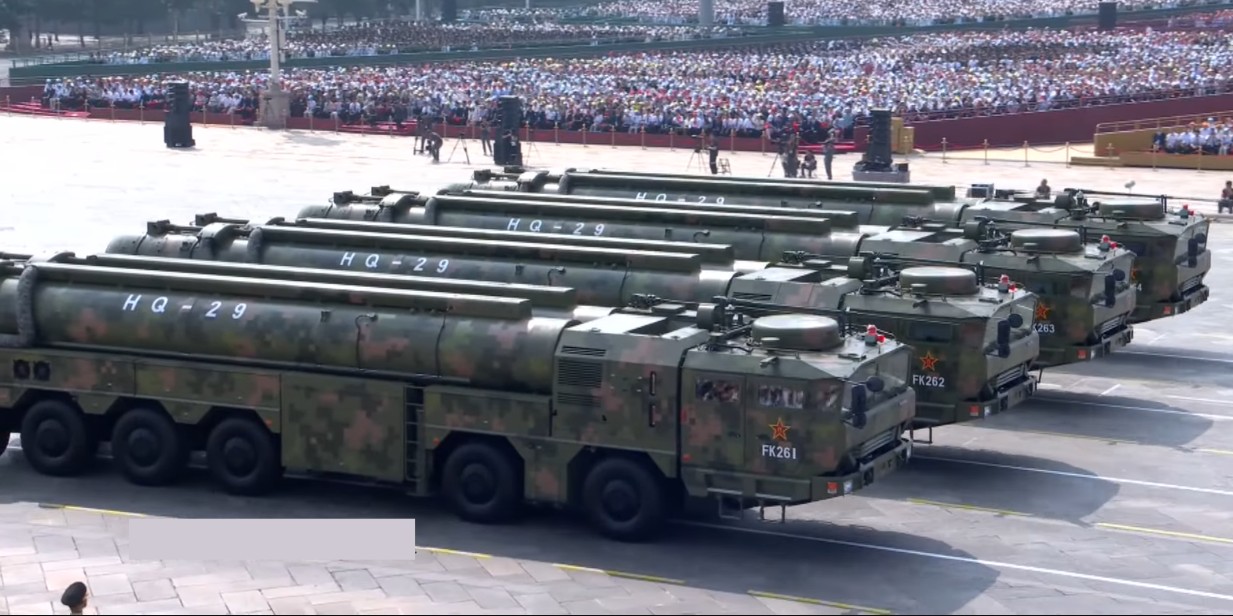
With advancements in military technology shaping the defense strategies worldwide, China’s HQ-29 emerges as a significant player in the realm of anti-ballistic missile systems. As an exo-atmospheric interceptor, it brings new capabilities to the People’s Liberation Army (PLA), adding a layer of protection against potential airborne threats.
The Need for the HQ-29
In today’s world, where ballistic missile threats are prevalent, advanced missile defense systems become crucial. Nations are continuously improving their defense mechanisms not merely as a response but also as a deterrent against potential threats. The HQ-29, China’s answer to similar systems like the U.S.’s THAAD and Russia’s S-500, demonstrates a strategic focus on exo-atmospheric capabilities – the ability to intercept hostile missiles outside the Earth’s atmosphere.
Specifications and Features
| Feature | Specification |
|---|---|
| Type | Exo-Atmospheric Interceptor |
| Maximum Range | Estimated 300 km |
| Warhead | Kinetic Kill Vehicle |
| Speed | Greater than Mach 5 |
| Deployment | Mobile and fixed installations |
Strategic Advantages of the HQ-29
The HQ-29 offers several strategic advantages. Primarily, it extends China’s defensive reach beyond the atmosphere, targeting incoming ballistic missiles during their descent phase. Its ability to function as an exo-atmospheric missile defense system allows it to intercept targets at a greater range and at higher altitudes, providing a comprehensive shield against medium to intermediate-range ballistic threats.
This capability is particularly crucial amid growing regional tensions and the proliferation of advanced ballistic missile technologies. The HQ-29, with its mobile launch systems, provides flexibility and quick deployment capabilities, allowing for strategic positioning based on evolving threat landscapes.
Role in China’s Air Defense Strategy
China’s military strategy has evolved significantly over the past decades, focusing on comprehensive multi-layered air and missile defense frameworks. The introduction of the HQ-29 aligns with these strategic objectives, offering an enhanced layer of defense alongside existing systems such as the HQ-19 and the HQ-9.
The balance of power in the Asia-Pacific region heavily relies on technological superiority in air and missile defense systems. With the HQ-29, China not only augments its defensive posture but also signals its increasing technological capabilities in military advancements. This is part of a broader trend towards self-reliance in defense technology.
Comparative Analysis with Global Counterparts
When placed side-by-side with global counterparts, like the U.S. Terminal High Altitude Area Defense (THAAD), the HQ-29 reveals both unique features and similarities. Both systems are designed to intercept missiles at high altitudes, but the HQ-29’s deployment flexibility and emphasis on domestic materials showcase China’s burgeoning missile technology prowess.
The Russian S-500, known for its missile and aircraft interception capability, is another comparison point. While both prioritize early interception, critics often debate over reaction times, interception accuracy, and the complex logistics involved in deploying such systems.
China’s focus on rapid development and deployment efficiency positions the HQ-29 as a competitive force in the global arena of missile defense technologies. As the global arms race continues, systems like the HQ-29 will play increasingly vital roles in national defense strategies.
Looking Ahead
As China continues to develop and refine its defense technologies, the HQ-29 stands as a testament to its strategic commitments toward national security. The system’s development trajectory offers insight into emerging military trends and highlights China’s position in the global security architecture.
In the broader scope of advancing geostrategic interests, integrating such technologies will reshape defense interactions both regionally and globally. Observers and analysts will no doubt pay close attention to the deployment and potential export of the HQ-29 as a marker of China’s evolving defense capabilities.
Among the challenges facing the HQ-29 is interoperability with existing systems and allies, ensuring cybersecurity as electronic warfare becomes ever more sophisticated. However, its development underscores a potent mix of tactical innovation and strategic foresight, bolstering China’s missile defense agenda.