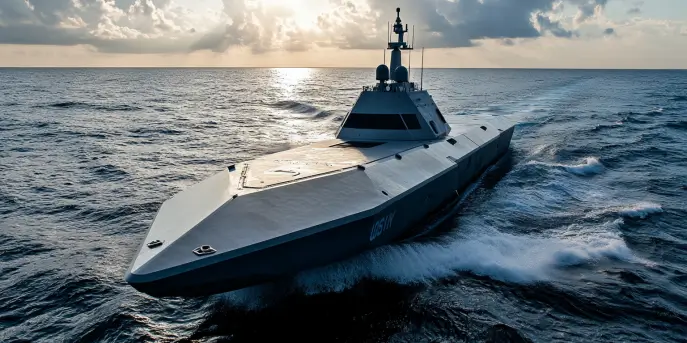


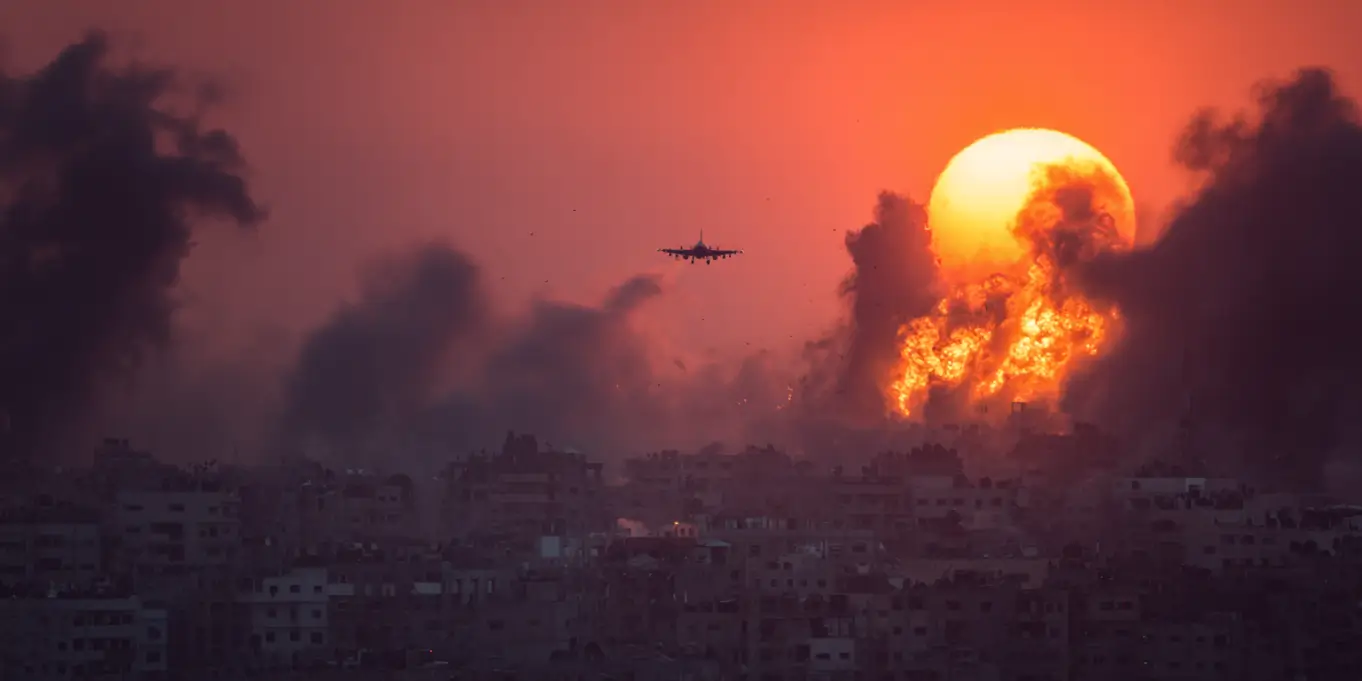
Missiles have become a central element in modern military arsenals worldwide, transforming the way wars are fought. This is particularly evident in the ongoing conflict in Gaza, where missile technology not only dictates the strategies deployed but also influences geopolitical decisions. With advancements in targeting capabilities and destructive power, missiles now serve both as offensive weapons and deterrents.
You Might Also Like
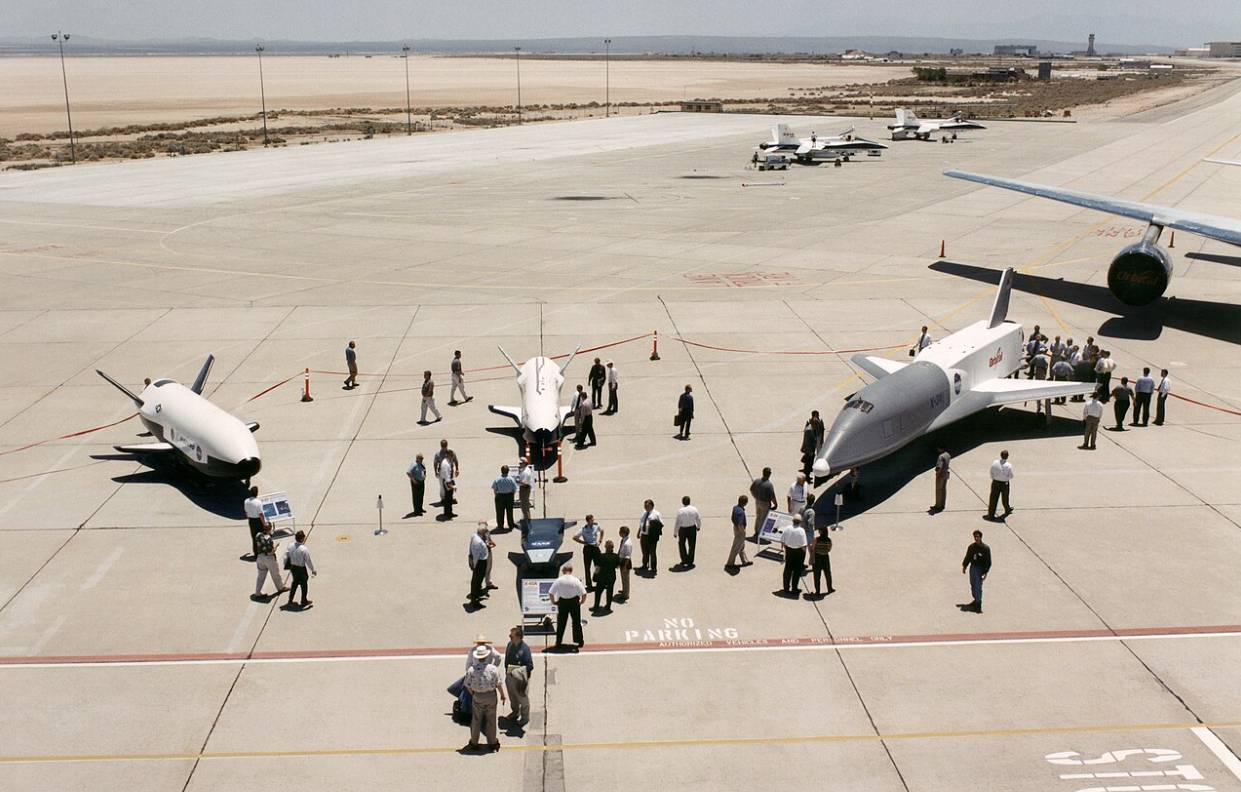
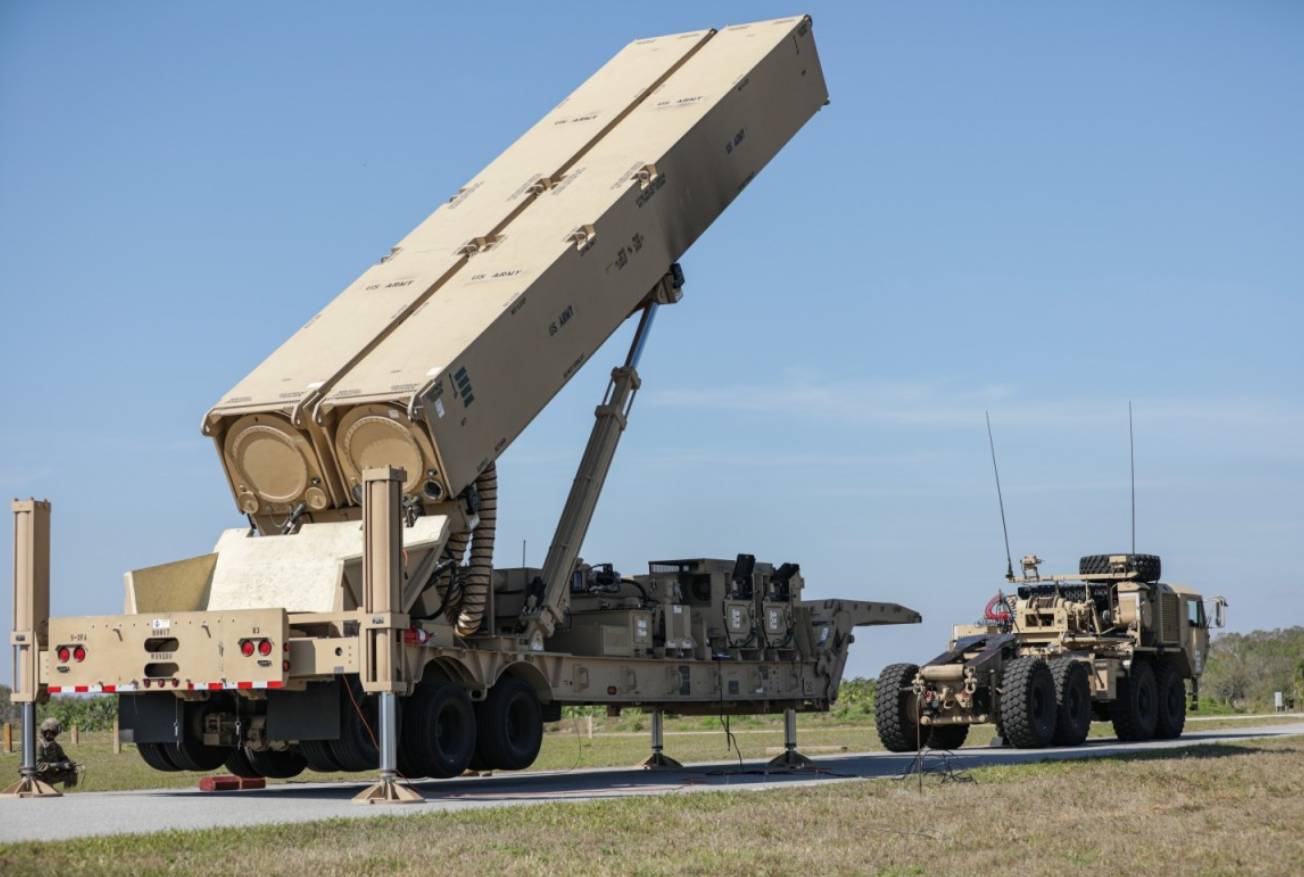
In Gaza, missiles range from short-range rockets used by militant groups to more sophisticated systems deployed by national militaries. These weapons are pivotal in both ground and aerial combat operations, providing a strategic advantage by allowing precise strikes from a safe distance. The reliance on missile technology underscores a shift from traditional infantry warfare to high-tech engagements, where precision and rapid deployment are paramount.
The Rise of Drone Technology
Another key component in the arsenal of warfare in Gaza is the use of drones. Unmanned aerial vehicles (UAVs) or drones have drastically altered the landscape of modern combat, offering advantages such as reduced risk to human pilots and increased operational capabilities.
Drones are used extensively for surveillance and reconnaissance, providing real-time intelligence that is crucial for effective decision-making. Armed drones also deliver precision strikes, minimizing collateral damage. This capability allows military forces to engage targets with high accuracy, a factor that has significantly influenced tactical operations in the region.
Air Power: The Dominance of the Sky
The control of airspace has long been a crucial element in determining the outcome of military conflicts. In Gaza, air power remains a dominant force, shaping both defensive and offensive strategies. Aircraft, including fighter jets and bombers, provide unparalleled air superiority, enabling forces to launch attacks with maximum impact while maintaining control over the battlefield.
Air superiority not only facilitates direct engagement with enemy forces but also supports ground operations through close air support missions. The versatility of air power in warfare allows for rapid response to emerging threats, demonstrating the strategic importance of maintaining robust air capabilities amidst ongoing conflicts.
Impact on Civilian Populations
The use of advanced weapons systems, while militarily effective, raises significant concerns regarding civilian safety and humanitarian implications. In densely populated regions like Gaza, the risk of civilian casualties and infrastructure damage is heightened. International laws and military ethics continually evolve to address these challenges, aiming to balance military necessity with the protection of civilian lives.
Despite these efforts, the reality on the ground remains complex. The presence of advanced weaponry requires stringent adherence to rules of engagement and precise operational planning to mitigate harm to non-combatants. Furthermore, the psychological impact on civilian populations, living under the constant threat of conflict, poses long-term societal challenges.
Geopolitical Implications
The deployment of missiles, drones, and air power in Gaza extends beyond the immediate consequences of battlefield engagements. These weapons systems influence broader geopolitical landscapes, affecting diplomatic relations and security policies. The proliferation of such military technology often sparks arms races and shifts in regional power balances, complicating efforts towards peaceful resolutions.
Nations with vested interests in the region must navigate these dynamics carefully, balancing military strategies with diplomatic engagements to prevent escalation. The influence of technological superiority in warfare underscores the importance of technological advancements in modern geopolitics, with the potential to redefine national security priorities across the globe.
Technological Innovations Driving Future Warfare
As technology continues to evolve, the future of warfare in regions like Gaza will likely see further advancements in weapon systems. Developments in artificial intelligence (AI) and machine learning offer new possibilities for autonomous operations, potentially increasing efficiency and reducing human error in combat scenarios. Enhanced communication systems and networked battlefields are also paving the way for integrated military operations, where information sharing is instantaneous and strategic operations are more coordinated than ever.
However, these innovations bring about ethical and security challenges, necessitating robust frameworks for international regulation and dialogue. The integration of cutting-edge technology in military applications demands a reevaluation of existing doctrines and a focus on the potential implications of fully autonomous weapons systems in future conflicts.