

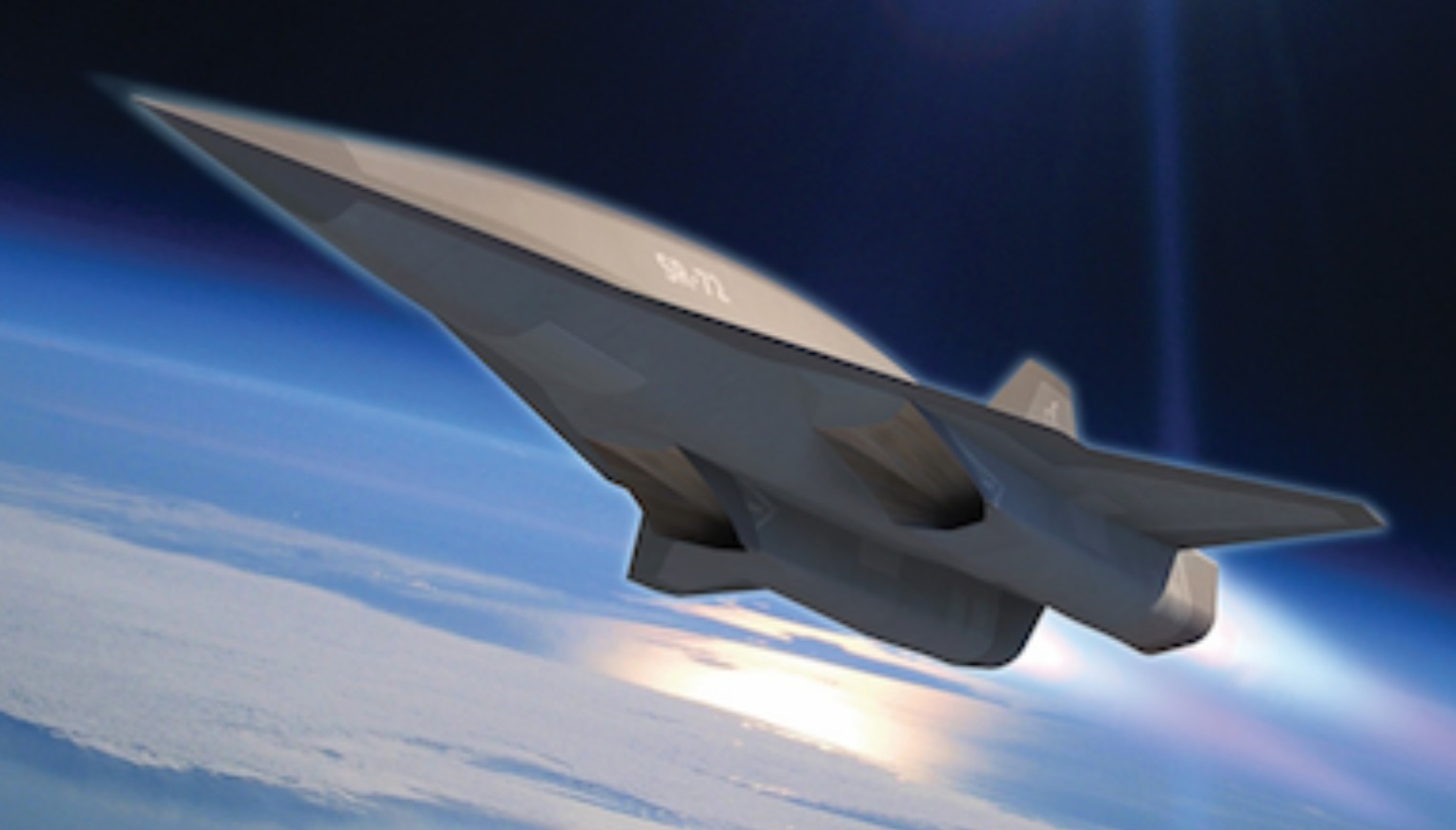
The SR-72 has become one of the most electrifying names in modern aerospace: a rumored, hypersonic successor concept to the legendary SR-71 Blackbird, now widely discussed as being actively in research and aimed at the 2030s. Even before a production aircraft is locked in, the very idea of an SR-72-style platform sends a jolt through the defense world. Why? Because it promises a leap beyond traditional stealth-and-speed tradeoffs and into a realm where an aircraft can potentially arrive first, see first, and leave before the enemy can react.
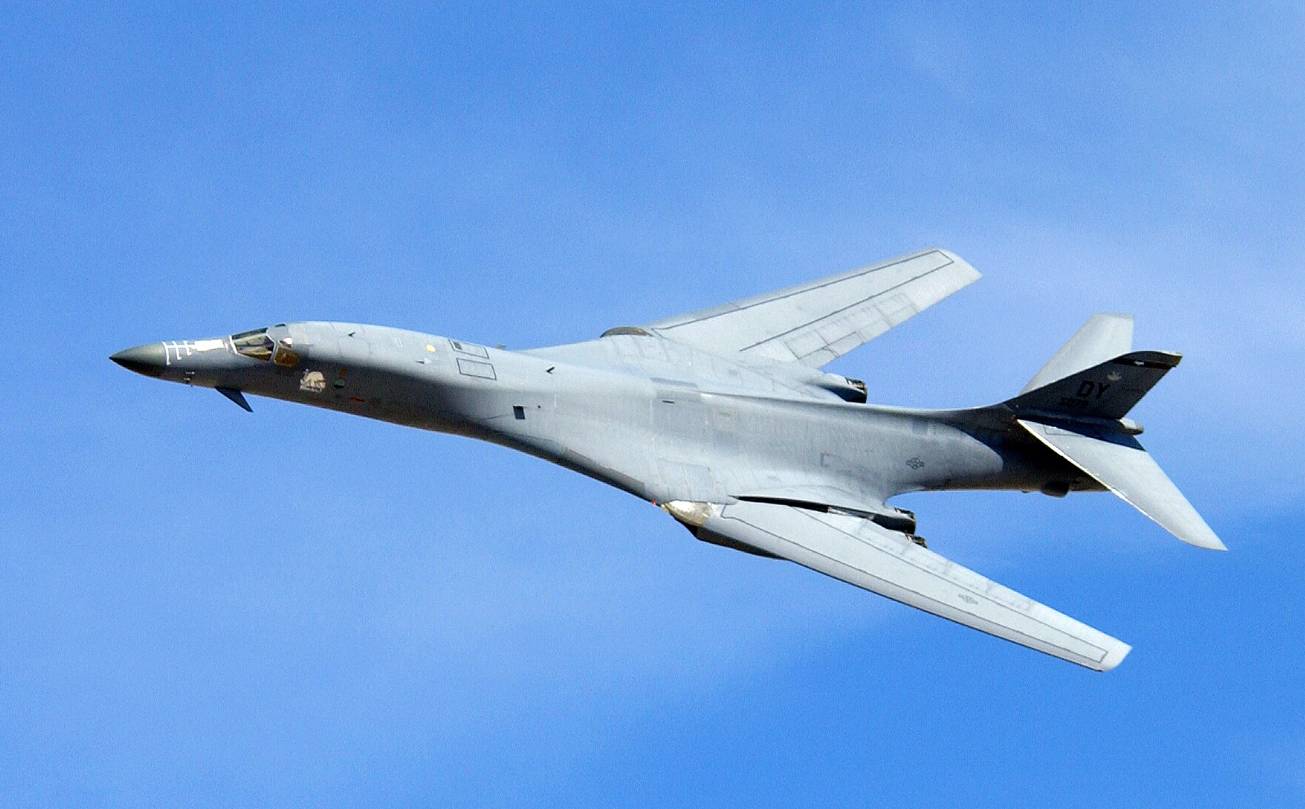
The fascination is easy to understand. The SR-71 was already a masterpiece of speed, altitude, and survivability through sheer performance. But the operational environment has changed dramatically. Modern integrated air defenses are denser, smarter, and networked in real time. In that world, a platform that can combine extreme speed, low observability, and long-range sensing or strike capability becomes more than a technological flex. It becomes a strategic problem-solver.
Why the SR-72 Concept Matters
The idea behind the SR-72 is not just to build something fast for the sake of speed. It is about creating an aircraft that can compress decision time for adversaries while expanding it for U.S. forces. If a platform can dash hundreds or even thousands of miles at hypersonic speeds, the clock starts working in its favor. Intelligence targets become transient. Time-sensitive strike windows widen. Threat reaction times shrink to almost nothing.
That is the real magic here. Speed at the hypersonic edge is not simply a performance metric; it is an operational weapon. A craft like the SR-72 could potentially conduct reconnaissance, strike, or stand-in sensing missions in places where a slower aircraft would need far more escort, far more support, and far more risk tolerance. The aerospace engineering challenge is monumental, but so is the payoff.
What We Know About the Platform
Most of the SR-72 discussion has centered on the concept and not on a confirmed production aircraft, so some caution is warranted. Still, the core vision has been consistent: a hypersonic, optionally uncrewed or remotely operated aircraft using advanced propulsion to bridge the gap between today’s air-breathing systems and the speed regime of future aerospace operations.
One of the most intriguing aspects of the concept is the reported emphasis on a turbine-based combined cycle or similar propulsion architecture. In plain language, that means an engine system designed to operate efficiently across a broad range of speeds, potentially using turbine mode for takeoff and acceleration, then transitioning to a high-speed mode suitable for hypersonic cruise. That is engineering catnip: the holy grail of propulsion versatility.
Likely Design Priorities
Any SR-72-class aircraft would have to solve several brutally hard problems at once:
- Thermal management at sustained hypersonic speeds
- Propulsion transition from low-speed acceleration to high-speed cruise
- Stealth shaping and materials that survive intense heating
- Autonomy or reduced crew burden for high-risk missions
- Sensor fusion to exploit speed without sacrificing situational awareness
At Mach 5 and beyond, the airframe is not just flying through air; it is fighting physics. Skin temperatures soar, materials expand, and even small design choices can have outsized consequences. This is where the SR-72 concept gets especially fascinating, because it would require a marriage of advanced composites, thermal coatings, and sleek aerodynamic shaping that is as beautiful as it is brutal.
SR-72 versus SR-71: Same Spirit, Different Era
The SR-71 Blackbird remains an icon because it dominated its era with unmatched speed and altitude. But the SR-72, if realized, would not be a simple sequel. It would be a fundamentally different answer to a different problem set.
The SR-71 relied on speed and altitude to avoid threats in an age before the most advanced modern sensor webs matured. The SR-72, by contrast, would be designed for an environment where detection, tracking, and interception are far more sophisticated. That means survivability cannot depend on speed alone. It would likely need a blend of low observability, automation, mission adaptability, and a highly efficient high-speed propulsion system.
In other words, the SR-71 was a speed king. The SR-72 would need to be a speed king and a stealthy chess master.
Potential Mission Set
If the program continues moving toward the 2030s, the SR-72 could be envisioned for several mission categories:
- Strategic reconnaissance over denied territory
- Rapid strike delivery against fleeting high-value targets
- Time-sensitive target tracking for joint forces
- Penetrating ISR in heavily defended regions
- Sensor relay or battle management support for distributed operations
The most exciting aspect is how speed changes the mission equation. A hypersonic aircraft could potentially reach a target area so quickly that it becomes a near-real-time intelligence tool rather than a platform that arrives after the moment has passed. For planners, that is a game-changer.
Engineering Marvel: The Propulsion Challenge
Let’s geek out for a moment on propulsion, because this is where the SR-72 concept gets deliciously complicated. Hypersonic flight inside the atmosphere is not just about making something fast enough. It is about keeping thrust available across radically different speed regimes. Traditional jet engines are great for subsonic and transonic flight, but they are not designed to cruise at hypersonic speeds. Ramjets and scramjets, meanwhile, excel in the high-speed range but need help getting there.
That is why the rumored combined-cycle approach is so compelling. It suggests a platform that could use a conventional engine to take off, accelerate, and transition to a high-speed mode. If that transition can be made reliable, the result would be one of the most advanced airborne propulsion systems ever fielded. The challenge is staggering, but so is the potential.
To make this work, engineers would need to balance:
- Intake design for efficient airflow management
- Combustion stability at extreme speeds
- Fuel as coolant to manage thermal loads
- Airframe integration so propulsion and shaping complement each other
This is the kind of problem that keeps propulsion engineers awake at night and aerospace fans grinning ear to ear.
How Fast Is Fast Enough?
The SR-72 is often associated with the idea of Mach 6-class performance, though exact numbers remain unconfirmed and speculative. Even if real-world operational speed lands below the wildest rumors, anything in the hypersonic band changes the rules of the game. The difference between Mach 3 and Mach 6 is not just double the speed; it is a massive leap in energy, heat, and mission tempo.
At those speeds, the aircraft may be able to traverse continental distances in a matter of hours or less, radically reducing the time between collection, decision, and action. That operational compression is arguably the aircraft’s most powerful attribute. It is not merely about going fast. It is about making the entire combat cycle faster.
What the 2030s Timeline Implies
A target window in the 2030s suggests that the SR-72 concept, or a related program, would likely need to move through major demonstration milestones in the 2020s. That implies work in propulsion tests, materials validation, autonomous systems, and perhaps scale demonstrators before any production or operational fielding. Aerospace programs of this class do not appear overnight; they emerge from years of painstaking lab work, wind tunnel testing, flight test campaigns, and incremental risk reduction.
The 2030s timeline also reflects the strategic urgency of the next decade. Near-peer competition is increasingly defined by long-range precision strike, distributed sensing, space-enabled targeting, and electronic warfare. A hypersonic aircraft that can operate inside that ecosystem would be an incredibly valuable node. It could help bridge the gap between space-based awareness and tactical action on the ground or at sea.
Not Just a Plane, But a System
One of the most important ways to think about the SR-72 is as part of a larger kill web rather than as a lone aircraft. A hypersonic platform is most powerful when connected to satellites, drones, long-range weapons, command networks, and other sensors. In that sense, the SR-72 would not only be a machine; it would be a node in a much larger architecture of speed and information.
That matters because the future battlefield rewards systems that can sense, decide, and strike across domains. An aircraft like the SR-72 could potentially serve as a high-speed scout, a shooter, or even a communications bridge for distributed forces. The platform’s value would not just be in what it can do itself, but in how it multiplies the effectiveness of everything around it.
Spec Table
| Attribute | SR-72 Concept |
|---|---|
| Role | Hypersonic reconnaissance / strike concept |
| Status | In research / conceptual development |
| Target Era | 2030s |
| Propulsion | Likely combined-cycle / turbine-based architecture |
| Expected Speed | Hypersonic, often discussed in Mach 5+ terms |
| Crew | Potentially uncrewed or optionally crewed |
| Primary Strengths | Speed, survivability by tempo, rapid ISR, time-sensitive response |
The Big Takeaway
The SR-72 remains a tantalizing glimpse into what the next generation of aerospace could look like: fast enough to rewrite the timeline, stealthy enough to survive, and advanced enough to matter in a world of networked warfare. Whether the final aircraft matches the legend that has grown around the name is almost beside the point. The engineering direction itself is captivating, and the strategic logic is hard to ignore.
If the SR-72 or a derivative platform matures into operational service in the 2030s, it will represent more than a new aircraft. It will represent a new philosophy of airpower, one where speed is not just a feature but a force multiplier. And in the defense world, that is the kind of breakthrough that changes everything.