

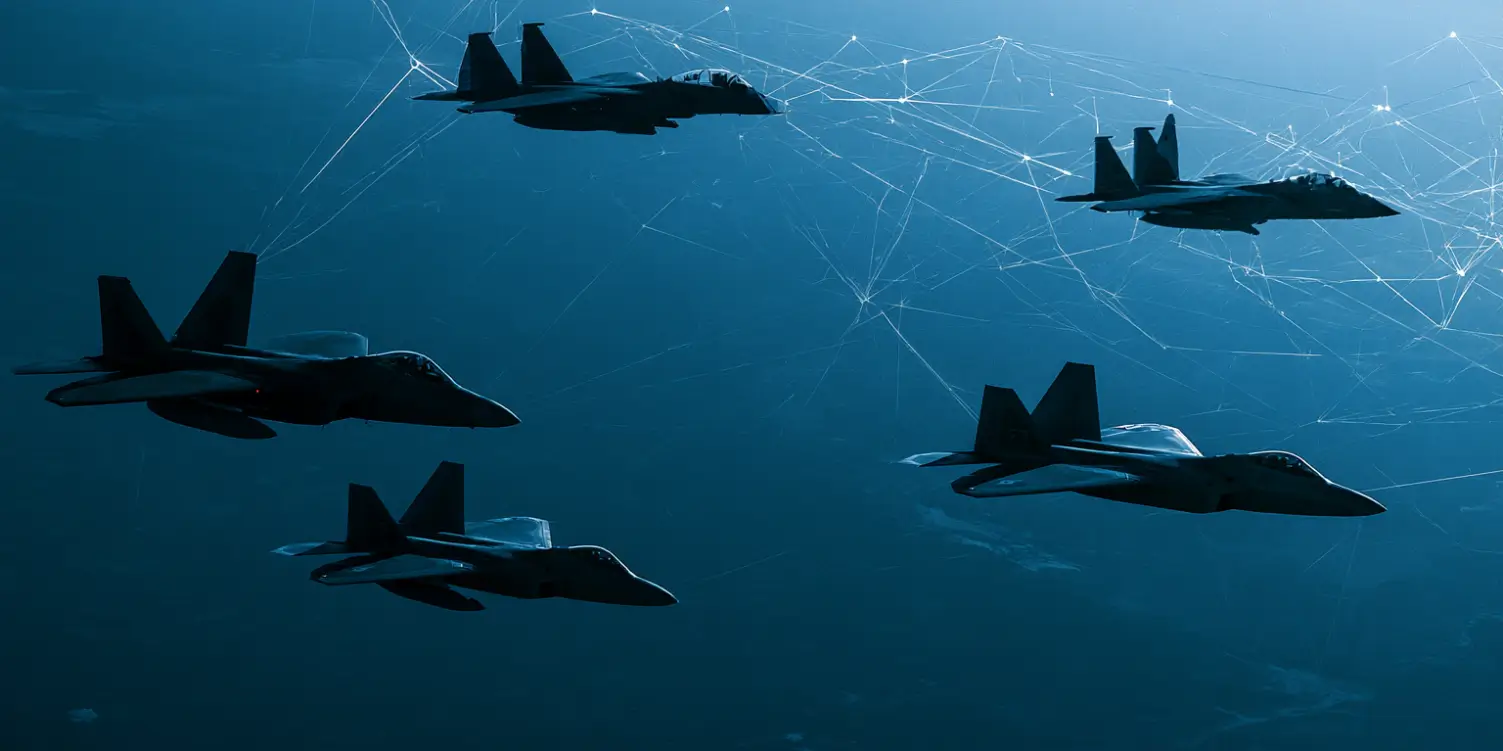
Air superiority is not won by a single jet, missile, or pilot. It is the result of a system working the way it should: sensors finding the fight first, command and control pushing clean information, aircraft getting to the right place at the right time, and weapons arriving before the other side can react. In the real world, the side that controls the air is usually the side that can see farther, decide faster, and strike with more coordination than its opponent.
That sounds simple, but it rarely is. Modern air combat is a contest of networks as much as platforms. Fighters still matter, and pilots still matter, but they are only part of the picture. A modern air force achieves air superiority by combining stealth, electronic warfare, airborne early warning, tanking, ground-based air defenses, integrated command systems, and disciplined training. The margin is often thin, and the side that wastes time or loses situational awareness pays for it quickly.
What air superiority really means
Air superiority is the degree of control an air force has over the airspace above a battlefield. It does not always mean total dominance everywhere. More often, it means the ability to operate when and where needed while denying the enemy the same freedom. In practical terms, that means friendly aircraft can strike, patrol, transport, and refuel with an acceptable level of risk while enemy aircraft are pushed back, disrupted, or destroyed.
There is a difference between air superiority and air supremacy. Superiority means one side has the advantage. Supremacy means the other side can no longer meaningfully contest the air. Supremacy is rare and expensive to achieve. Superiority is the more common operational goal, because it is usually enough to shape the rest of the campaign.
On the ground, air superiority shows up in small but decisive ways: troops can move without being hunted from above, artillery can shift positions with less fear, logistics convoys can run more freely, and command posts can communicate with less disruption. Once one side loses the air fight, its entire battlefield becomes harder to sustain.
Seeing first: the battle for awareness
In modern air combat, the first advantage is often not a missile shot, but awareness. Aircraft, ships, ground radars, space-based systems, passive sensors, and electronic intelligence all contribute to a shared picture of the battlespace. The side that builds the better picture usually gets the first useful decision, and that matters more than people outside the profession often realize.
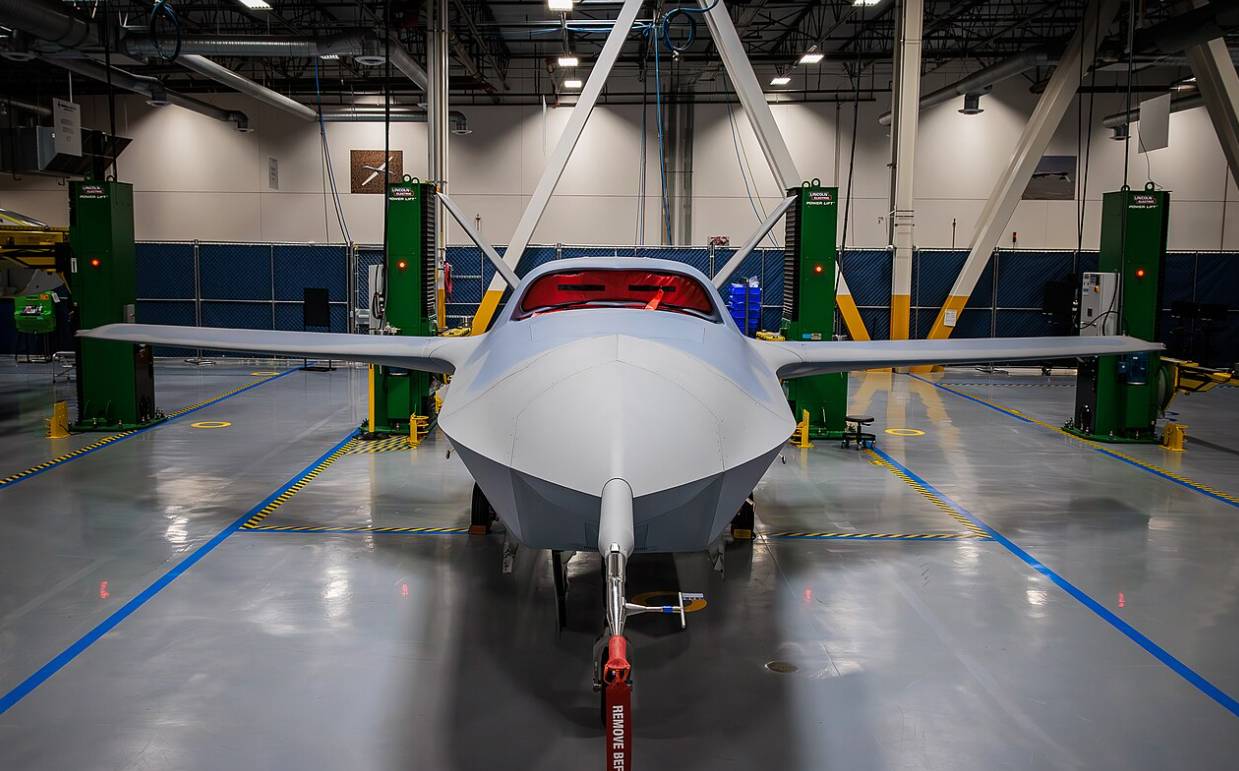
Fifth-generation fighters have changed the game because they are not just shooters; they are sensors and data nodes. Their low observability helps them survive inside contested airspace, while their radar, infrared search and track systems, and data links allow them to pass information to other aircraft and to command centers. A stealth aircraft may never fire a missile and still help win the fight by locating targets and cueing others.
Airborne early warning and control aircraft remain crucial. High-flying radar platforms can see deep, coordinate large formations, and manage the air picture in a way that a single fighter simply cannot. Even in an era of stealth, these aircraft are valuable because they tie the force together. They are often protected, not because they are invincible, but because losing that command-and-control node makes the whole force less effective.
The role of stealth
Stealth is often misunderstood as invisibility. It is not. It is about reducing detection range and forcing the enemy to work harder, react later, and fire under worse conditions. That delay can be decisive. A target that is detected too late may already have launched weapons, turned away, or passed through the engagement envelope before a defender can respond.
Stealth also changes tactics. A low-observable aircraft can enter contested airspace with less warning, strike high-value targets, and survive where older aircraft would need heavier escort or stand-off weapons from farther away. But stealth is not a free pass. It works best when paired with electronic warfare, disciplined emissions control, good mission planning, and supporting assets that help suppress or confuse enemy sensors.
In the field, stealth aircraft are usually used where the risk is greatest and the payoff is highest: opening nights of a campaign, suppression of enemy air defenses, strikes on command nodes, and attacks on integrated radar networks. They are not always the most numerous aircraft in the inventory, but they are often the ones that create the opening for everyone else.
Electronic warfare: the invisible knife fight
If air combat is a contest of detection and reaction, electronic warfare is the art of making the other side blind, deaf, and slow. Jamming, deception, radar warning, signal analysis, and cyber-linked effects all influence whether a missile gets launched on time or not at all. A good electronic warfare package can break an enemy’s targeting chain without firing a shot.
This is one of the least glamorous parts of air power, but in practice it can be decisive. Aircraft carrying self-protection jammers and escort jammers can help a strike package survive. Specialized platforms can suppress enemy radar systems long enough for fighters and bombers to get through. At the same time, passive sensors and emissions control help friendly forces avoid giving away their position.
There is a reason veteran crews respect electronic warfare. The radar picture can look clean right up to the moment it does not. A force that assumes its sensors are perfect is usually in trouble. A force that trains to fight through interference, spoofing, and degraded communications tends to last longer.
Command and control: where campaigns are won or lost
Good air forces do not just launch aircraft; they manage time, fuel, weapons, and risk. That is the job of command and control. The best pilots in the world still need a system that gives them the right target, the right timing, and the right support. Without that, even advanced aircraft can be wasted on the wrong task.
Modern command and control depends on secure data links, resilient communications, distributed decision-making, and clear authorities. In a fast-moving fight, the old model of waiting for every decision to climb a long chain of command is too slow. The air picture changes too quickly. The side that can delegate authority while maintaining discipline has a real advantage.
When command and control works, aircraft can be retasked in flight, air patrols can be redirected to intercept threats, tankers can be repositioned, and strike aircraft can avoid high-risk routes. When it fails, aircraft arrive late, missiles are spent on the wrong targets, and pilots are left guessing. That is how air superiority can be lost even by a force with excellent hardware.
Fighters, missiles, and the value of first shot, first kill
Dogfights still happen, but they are no longer the central image of air warfare. Most modern engagements begin beyond visual range, where radar, passive tracking, and data links are used to detect, classify, and engage the enemy from a distance. Missiles matter enormously here, but they are only as good as the information feeding them.
Getting the first shot is important. Getting the first kill is better. But getting either one depends on being in the right place with the right sensor picture and the right rules of engagement. A weapon launched too early may miss or be spoofed. A weapon launched too late may never get a valid opportunity. Air superiority is often decided by whether a force can consistently make the enemy react before it can act.
Modern fighters are designed around this logic. They blend radar performance, low observability, internal weapon carriage, and data fusion so the pilot is not overwhelmed by the amount of information in the cockpit. The aircraft is meant to help the pilot make better decisions faster. In combat, that cognitive edge matters as much as raw speed.
Air defense and the protection of the force
Air superiority is not only about offensive action. It also depends on protecting friendly assets on the ground and in the air. Hardened shelters, dispersal, runway repair, point defense, camouflage, deception, and integrated surface-to-air systems all help preserve combat power. If an air force cannot survive the first strike, it cannot sustain the air campaign long enough to win.
That is why modern air operations are increasingly distributed. Aircraft may operate from multiple bases, use roadways or alternate strips, and rely on expeditionary logistics. This complicates enemy targeting and reduces the chance of a single successful attack crippling the air wing. The same logic applies to tankers, command posts, and maintenance facilities. Everything important needs a way to keep working after the enemy has tried to shut it down.
Surface-to-air defenses also shape the air battle. Friendly air defenses free up fighters to focus on offensive tasks, while enemy air defenses force careful route planning and suppression missions. In practice, the air war is a layered contest. It is not just fighter against fighter; it is radar against radar, missile against missile, and network against network.
Training and readiness: the part that cannot be bought
Advanced aircraft are expensive, but skill is more expensive still because it takes time. Air superiority depends on crews who can operate under pressure, in bad weather, with degraded communications, and against an enemy trying to deceive them. The difference between a peacetime training sortie and a combat mission is often the amount of friction. Combat piles on uncertainty, stress, and incomplete information.
The best air forces train for exactly that. They practice large-force exercises, electronic warfare scenarios, night operations, dispersed basing, and contested refueling. They rehearse mission planning, abort criteria, rescue procedures, and communications loss. The point is not perfection. The point is to make the unexpected less dangerous.
Maintenance crews matter just as much. A fighter grounded by a small fault does not contribute to air superiority, no matter how capable it is on paper. Sortie generation, spare parts, weapons loading, and turnaround times are operational realities. The side that can keep more aircraft mission-ready for longer usually has the advantage when the fight becomes a marathon rather than a sprint.
Stealth, legacy aircraft, and mixed fleets
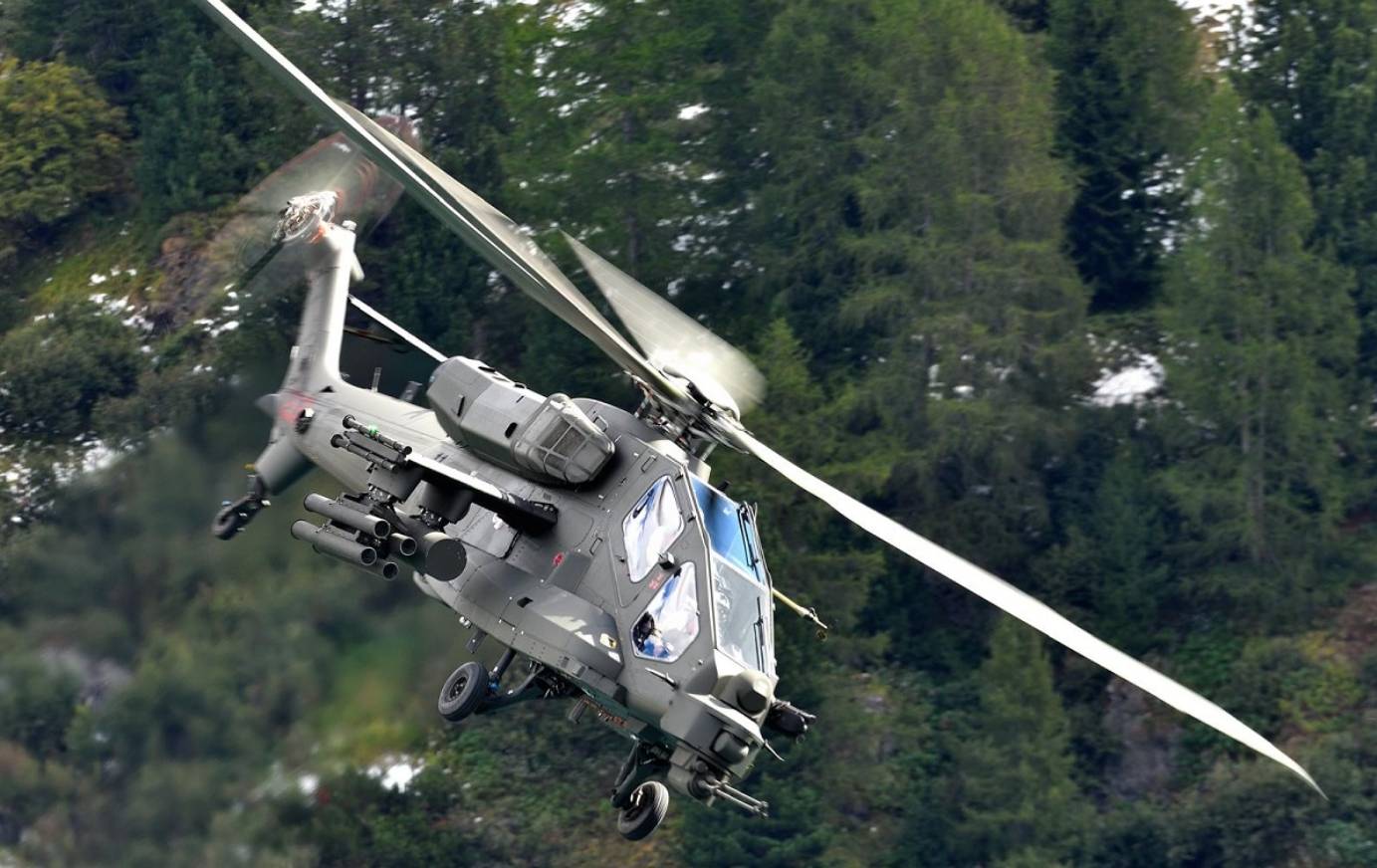
Not every air force can field large numbers of stealth aircraft, and not every mission requires them. In the real world, air superiority is often built with mixed fleets. Low-observable fighters may open corridors and target the hardest threats, while legacy aircraft provide mass, patrol coverage, and weapons carriage. Tankers extend range, electronic warfare aircraft suppress threats, and airborne command aircraft coordinate the whole effort.
This is where integration matters. A legacy fighter with a modern missile, supported by a good sensor picture and electronic protection, can still be dangerous. Likewise, a stealth aircraft operating alone is valuable, but a stealth aircraft operating as part of a coordinated package is far more lethal. The whole force has to work as one system.
In many operations, the true measure of air superiority is not how many aircraft are in the inventory, but how many can be put over the target area on time, with fuel, with weapons, and with enough information to survive. That is an industrial and organizational problem as much as a tactical one.
The real measure of success
Modern air forces achieve air superiority by making the enemy’s system fail faster than their own. That can mean destroying aircraft, but it also means breaking the enemy’s command structure, blinding its sensors, forcing it to defend too many places at once, and exhausting its ability to sustain sorties. The public often sees the fighter jet, but the professionals know the campaign is decided by the network behind it.
The air force that wins is usually the one that can integrate the most capabilities without losing coherence. It can find targets, protect its own force, confuse the enemy, and keep fighting after the first exchange. That is what air superiority looks like in practice: not a single dramatic moment, but a sequence of advantages stacked on top of each other until one side can no longer compete.
In the end, the skies belong to the force that is better organized for reality. Technology helps, but discipline, training, logistics, and command matter just as much. Air superiority is not magic. It is the product of preparation, integration, and the hard-earned ability to act faster than the enemy can adapt.