

There is no single armor solution that works for every mission, every body type, and every threat. In the field, the best setup is the one you can actually wear for hours, fight in, move in, and still shoulder a rifle without feeling like you are carrying a wet sandbag on your chest. That is why a modular armor setup combining a plate carrier and soft armor panels has become such a practical answer for a lot of operators, law enforcement teams, and prepared civilians who want flexibility without giving up protection where it matters.


The basic idea is simple: use a plate carrier for rifle-threat protection over the vital area, then add soft armor panels to cover the gaps and reduce blunt trauma from lower-level threats. On paper that sounds neat and clean. In real life, it is about balancing coverage, weight, mobility, heat, and mission profile. You are not just buying armor. You are building a wear system.
Why combine hard plates and soft armor?
Hard plates stop rifle rounds. Soft armor does not. That is the first rule. But hard plates alone usually protect only the center mass and leave the sides, lower ribs, and portions of the abdomen exposed. That is where soft armor earns its keep. Soft panels help extend coverage around the torso, especially against handgun threats, fragmentation, and some secondary effects of blast or broken materials.
In practical terms, a modular setup gives you the best of both worlds:
- Plates for threats that can defeat soft armor.
- Soft panels for wider coverage and comfort.
- Modularity so you can scale up or down based on the job.
I have seen plenty of people overbuild their kit, then leave it in the truck because it was too hot, too stiff, or too heavy to wear properly. A modular approach is a way to avoid that mistake. The system should be built so you can go from a light patrol or range configuration to a more protected setup without buying a whole separate armor solution.
How the system is usually configured
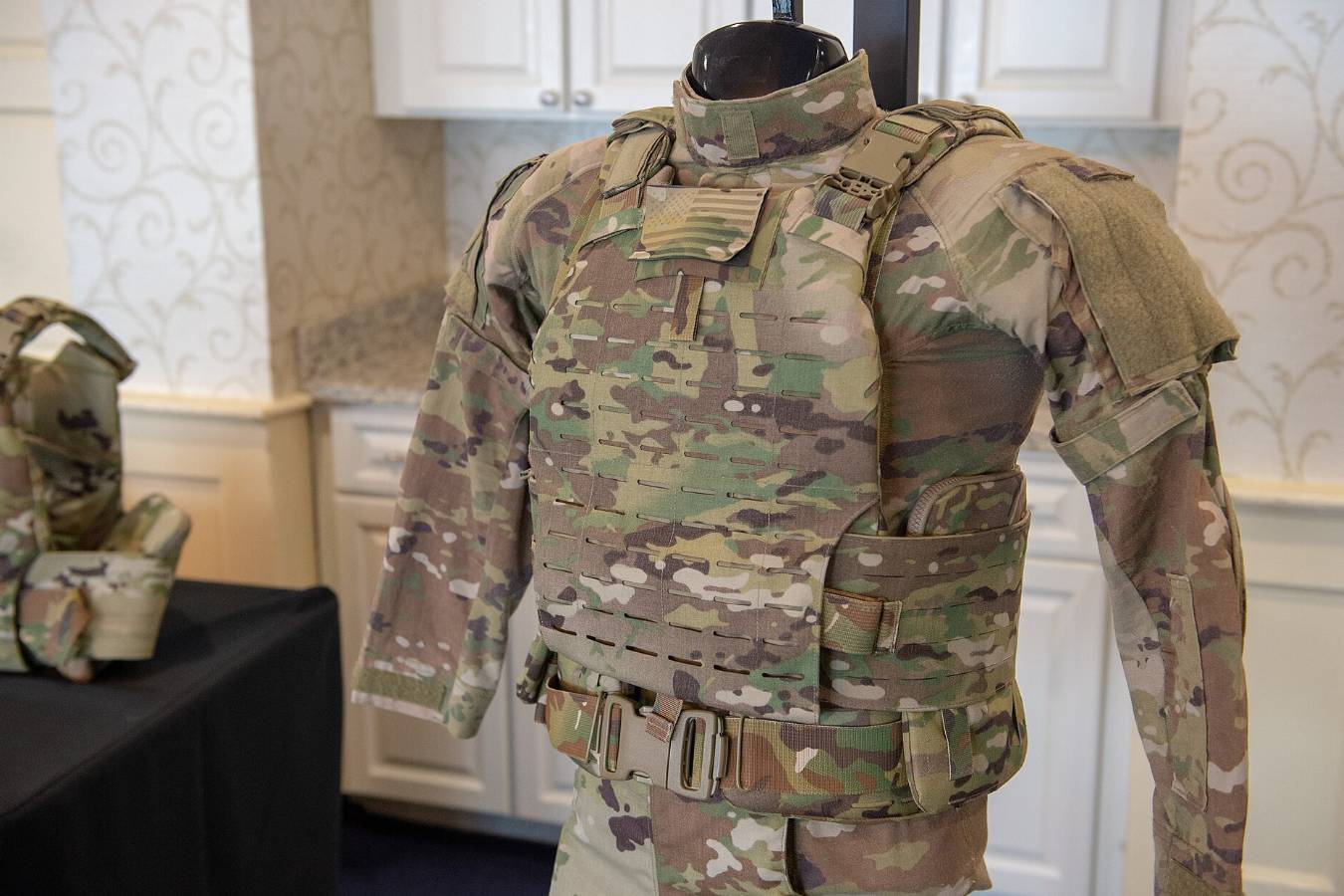
The most common arrangement is a plate carrier with front and rear hard armor plates, plus soft armor panels that either sit inside the carrier’s cummerbund or ride in side pouches or dedicated pockets. Some carriers are designed specifically to accept soft armor inserts in the front and back, while others are meant to be worn over a separate soft armor vest. The right configuration depends on whether you want maximum concealability, maximum mobility, or a balance of both.
A practical modular setup often includes:
- Front plate for primary ballistic protection and weapon support.
- Rear plate for back coverage and balance.
- Soft armor cummerbund or side panels to protect the flanks.
- Optional throat, collar, or groin protection for higher-risk missions.
- Load-bearing accessories kept minimal so the armor remains wearable.
The mistake many users make is treating armor like a gear tree they can hang everything on. Radios, six magazines, utility pouches, med kits, dump pouches, hydration, and a kitchen sink’s worth of add-ons quickly turn a manageable carrier into a mobility trap. The armor itself is already doing enough work. Keep the loadout lean.
Understanding the protection levels
Soft armor is commonly rated by recognized standards such as NIJ levels, with Level II and IIIA being the most familiar in the civilian and law enforcement world. Hard armor plates may be rated for rifle threats depending on construction and certification. The exact protection level should be chosen around the expected threat, not internet bravado.
A simple way to think about it:
- Soft armor is for handgun threats and fragmentation.
- Hard plates are for rifle threats.
- Specialized plates may offer multi-hit performance, reduced weight, or enhanced threat coverage at the cost of price or bulk.
Do not assume that a thicker plate is automatically better. Weight adds up fast, and once you start dragging around excessive mass, your movement, endurance, and situational awareness suffer. In the field, fatigue is a threat multiplier. A lighter rig that stays on your body is better than a heavy one that gets stripped off at the first chance.
Typical modular armor specs
The exact dimensions vary by manufacturer, but the table below shows common ranges seen in a workable modular plate carrier and soft armor combination.
| Component | Common Spec Range | Field Notes |
|---|---|---|
| Front/rear plates | 10″x12″ or SAPI-cut sizes | Good balance of coverage and fit for most users |
| Plate weight | Approx. 4 to 8 lb per plate | Composite plates are lighter; steel is usually heavier |
| Soft armor panels | NIJ Level II or IIIA | Used in front/back inserts, cummerbund, or side coverage |
| Carrier material | 500D to 1000D nylon | Heavier materials are more rugged but less breathable |
| Cummerbund | Elastic, structural, or hybrid | Structural designs help support load and soft armor inserts |
| Total loaded system | 10 to 25+ lb depending on setup | Comfort and training matter as much as protection |
What works in the real world
In the field, the best armor setup is the one that stays centered, does not shift under load, and does not create hot spots after an hour of movement. That means fit matters. Plate height matters. Cummerbund tension matters. And so does where you place every pouch and accessory.
A good fit starts with plate placement. The front plate should protect the upper chest and the area around the heart and major vessels without riding too high into the throat or too low into the stomach. The rear plate should sit at a similar height, aligned so the carrier hangs naturally rather than pulling backward. Soft panels should fill the sides without bunching, and the system should allow you to breathe deeply and shoulder a carbine without fighting the armor.
One of the most overlooked benefits of soft armor panels is how they improve the way the carrier rides on the body. A properly fitted soft-backed setup often feels less rigid than a plate-only carrier. That can reduce fatigue and make the whole rig more tolerable during long shifts, vehicle work, or foot movement over broken ground.
Where the modular approach shines
A plate carrier plus soft armor setup is particularly useful when the threat picture is mixed. That includes:
- Law enforcement patrol where handgun threats are more likely but rifle risk still exists.
- Protection details where appearance, comfort, and rapid movement matter.
- Training environments where a user needs scalable protection without switching systems.
- Emergency preparedness where the user may need a versatile, all-purpose setup.
It also works well for users who need to stay in armor for long periods. Hard armor alone can be punishing. Soft panels help spread load and reduce the sense that all the weight is hanging off two slabs on the chest and back.
That said, the modular setup is not magic. More coverage means more material, more heat, and more bulk. In warm climates or during sustained movement, heat management becomes a serious concern. If the armor traps too much heat, your performance drops. In a real fight, that matters more than people like to admit.
Tradeoffs you need to respect
No armor setup is free. If you add soft armor panels to a plate carrier, you are buying more protection at the cost of more complexity. The main tradeoffs are straightforward:
- Weight: every additional panel and insert adds pounds.
- Heat: more coverage usually means less airflow.
- Mobility: side armor can interfere with twisting, bending, and seated comfort.
- Cost: quality soft armor and a capable carrier are not cheap.
- Maintenance: more parts mean more inspections and more opportunities for wear.
If you cannot train in the setup, it is probably too complicated. Armor should be boring in the best possible way. It should disappear into the background so you can focus on the job. If you are constantly adjusting straps, fighting the cummerbund, or noticing plates shifting during movement, the system is wrong for you.
Building the setup correctly
There are a few practical rules that hold up across brands and environments. First, buy the carrier and armor as a matched system when possible. Not every plate fits every pocket, and not every soft panel belongs in every cummerbund. Second, decide whether the carrier is meant to be overt, concealed, or modular between the two. Third, keep accessories to the minimum needed to support the mission.
A sensible build sequence looks like this:
- Choose the threat level you actually expect.
- Pick plates for rifle protection.
- Add soft armor for side and lower torso coverage.
- Set the carrier height and fit correctly.
- Load only mission-essential gear.
- Train moving, kneeling, shouldering, and working from vehicles.
The last step is where many people learn the hard lesson. A setup that feels fine standing in a mirror may fall apart when you sprint, climb, go prone, or sit in a vehicle with a seatbelt and a rifle across your lap. Test the armor in the positions you actually use. That is where the truth lives.
Maintenance and inspection
Armor is not a buy-it-once-and-forget-it item. Inspect plates, panels, carrier stitching, hook-and-loop, and seams regularly. Soft armor can be damaged by moisture, folding, crushing, or improper storage. Plates should be checked for cracks, delamination, or damage to the edge wrap. Carriers wear out at stress points, especially around shoulder straps and cummerbund attachment areas.
Store armor flat or as recommended by the manufacturer. Do not leave it baking in a vehicle for extended periods if you can avoid it. Heat and humidity are hard on materials, and a neglected setup is a false sense of security. The gear may look fine until the day it is needed, and that is the wrong day to discover a problem.
Who should consider this kind of setup
This modular approach makes the most sense for users who need flexibility and expect varied threats. If your world includes both handgun and rifle concerns, or if you need to stay protected for long stretches without feeling locked into a heavy full-coverage vest, it is a strong option. For some users, it becomes the everyday armor solution. For others, it is a mission-specific loadout kept ready for higher-risk situations.
The best part is that it scales. You can run plates only when mobility is king, add soft armor when the risk rises, or build a heavier configuration for a specific operation. That adaptability is what makes the plate carrier and soft armor combination so useful. It is not about looking tactical. It is about wearing a system that matches reality.
In the end, the smartest armor setup is the one that protects enough, fits right, and stays on when it counts. A modular plate carrier with soft armor panels does not solve every problem, but it solves a lot of them better than a rigid one-size-fits-all approach ever will.