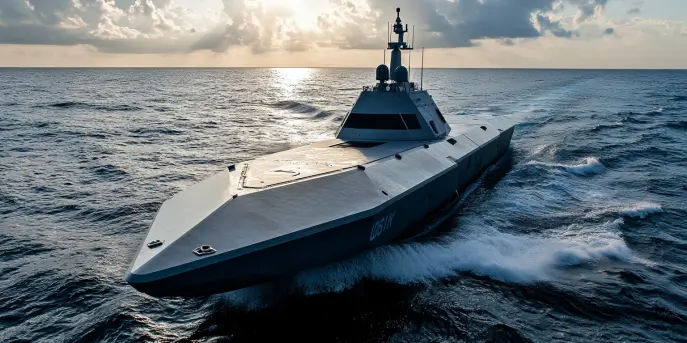
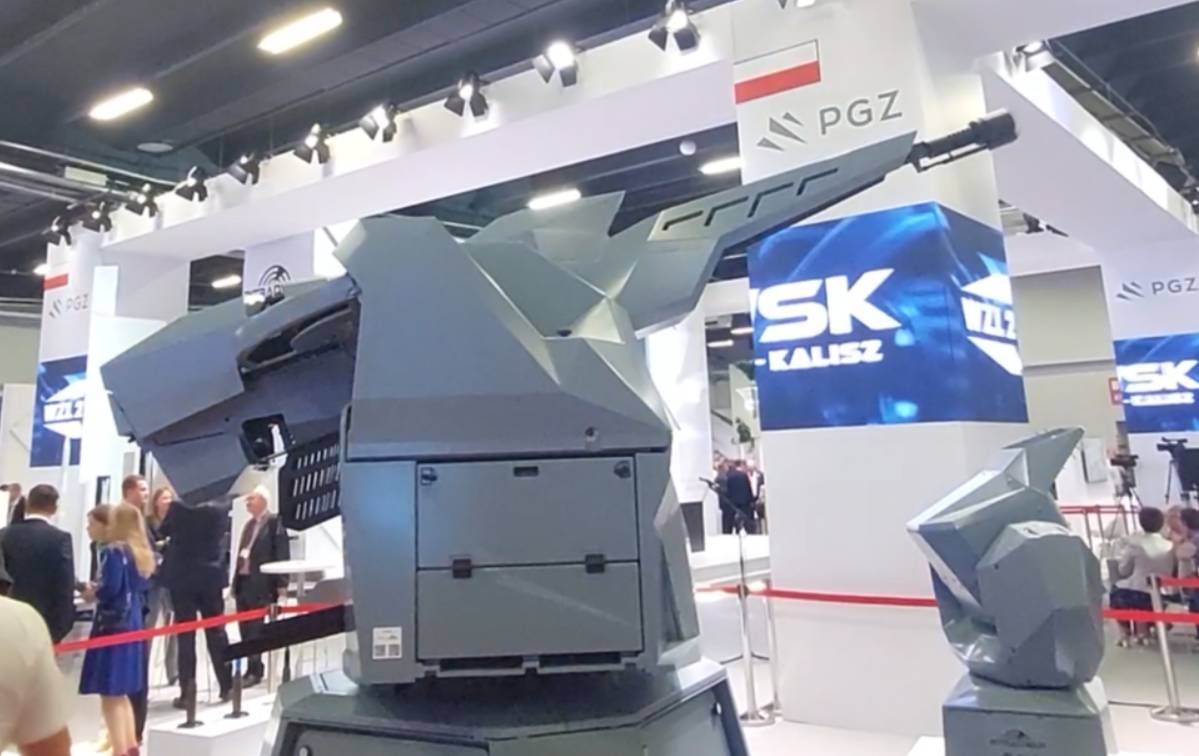
Radar-guided Gatling gun systems occupy a distinct niche in the counter-uncrewed aircraft system (C-UAS) fight: they are built to deliver extremely dense, low-cost fire at very short range against small, fast, and often numerous aerial threats. In an era where quadcopters, fixed-wing loitering munitions, and improvised one-way attack drones can impose disproportionate operational risk, the appeal of a high-rate gun solution is straightforward. It offers commanders an organic, magazine-fed answer that can defend maneuver forces, key infrastructure, and high-value assets when electronic warfare, missiles, and directed-energy systems are unavailable, degraded, or too expensive to expend.
You Might Also Like
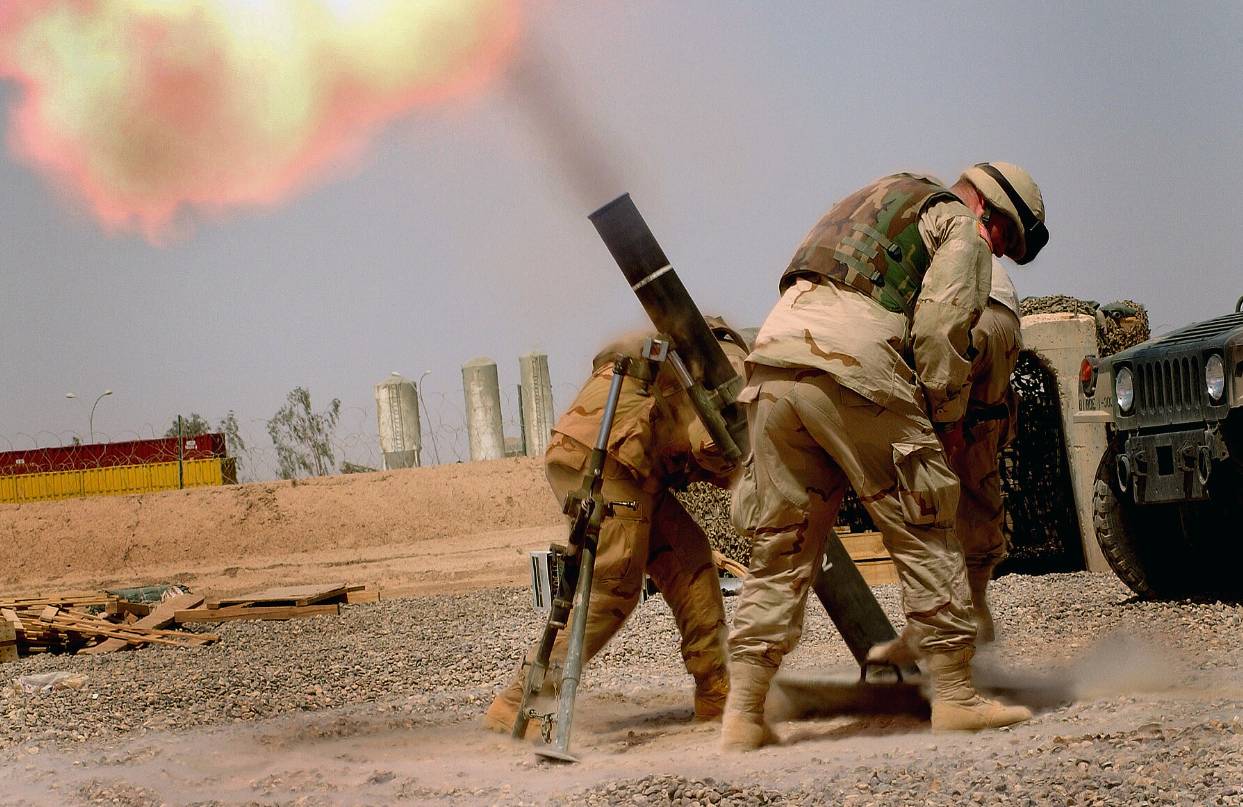
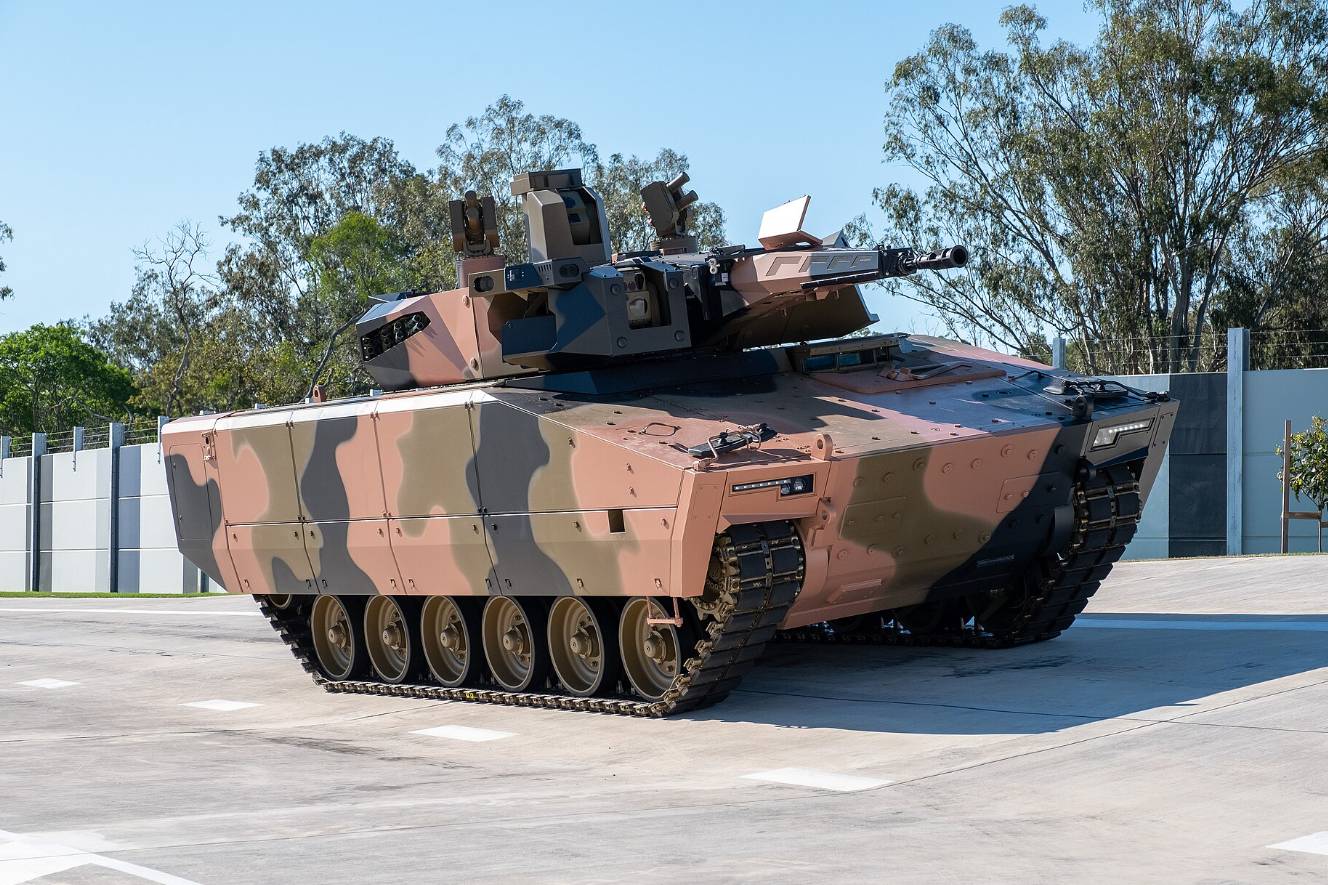
What separates these systems from legacy anti-aircraft guns is not just the barrel count or cyclic rate. Modern radar-guided Gatling C-UAS platforms are integrated fire-control ecosystems. They combine search and track radar, electro-optical sensors, automatic target acquisition, ballistic computing, stabilized mounts, and programmable ammunition into a single combat node. The result is a weapon that can detect, classify, track, and engage a drone in seconds, often with minimal human intervention. In doctrinal terms, that makes them especially valuable in the inner layer of air defense, where reaction time matters more than engagement range.
Why gun-based C-UAS still matters
Many defense planners initially assumed that drones would be defeated primarily by jamming, spoofing, or missile interception. The past several years have shown that assumption to be incomplete. Small UAS are inexpensive enough to be massed, autonomous enough to resist some electronic attack, and tactically flexible enough to exploit terrain masking, low altitude, and saturation. Against such threats, a gun system has three enduring advantages:
- Cost per engagement: a burst of ammunition is typically far cheaper than a surface-to-air missile.
- High shot density: the system can place many projectiles into a small volume of air in a very short time.
- Magazine flexibility: with the right ammunition, the same mount can engage small drones, helicopters, and some cruise-missile profiles at close range.
These advantages matter most when defending distributed formations or static sites under continuous threat. A radar-guided Gatling gun can be paired with short-range sensors and cueing networks to create a layered defense architecture: detection at distance, soft-kill disruption in the middle layer, and hard-kill interception in the terminal layer. In practice, the gun often becomes the last reliable physical barrier before a drone reaches its target.
How radar-guided Gatling C-UAS systems work
The typical architecture begins with a surveillance radar optimized for low-altitude, low-RCS targets. Small drones present a difficult signature: they can be slow, cluttered by terrain, and partially masked by buildings, vegetation, or urban infrastructure. Modern radars compensate through high update rates, Doppler processing, and track-while-scan logic. Once a target is detected, a fire-control computer fuses radar data with electro-optical or infrared imagery to confirm classification and refine the engagement solution.
At the engagement stage, the radar is not merely looking for a target. It is feeding continuous lead-angle and range data to the gun mount, enabling rapid stabilization and predictive aiming. The Gatling weapon itself, usually in a multi-barrel configuration, can deliver a very high rate of fire, often in the thousands of rounds per minute. Because the target is small and evasive, the system depends on burst control rather than sustained fire. The objective is to create a dense cloud of projectiles that intersects the drone’s flight path long enough to score a disabling hit.
Many modern C-UAS guns also use airburst or proximity-fuzed rounds. This is a major tactical improvement over simple impact ammunition. Against a small aircraft with limited structural redundancy, fragmenting a shell near the target can be more effective than attempting a direct hit. It also improves the probability of kill against erratic maneuvering drones, particularly those employing nap-of-the-earth routes or pop-up profiles.
Representative system characteristics
While specific configurations vary by country and manufacturer, radar-guided Gatling C-UAS systems generally share a recognizable set of performance attributes. The table below summarizes common characteristics seen across current fielded or demonstrator systems.
| Attribute | Typical Range / Value | Operational Significance |
|---|---|---|
| Weapon type | Multi-barrel Gatling cannon | High shot density for terminal engagements |
| Caliber | 20 mm to 30 mm, sometimes larger | Balances payload, recoil, and ammunition load |
| Rate of fire | Approximately 1,000 to 4,500+ rounds per minute | Creates a dense engagement window against small drones |
| Effective C-UAS range | Roughly 1 km to 3 km, depending on sensor and ammunition | Short-range inner-layer defense |
| Target types | Small UAS, loitering munitions, helicopters, slow fixed-wing aircraft | Flexible close-in air defense role |
| Sensors | Search radar, fire-control radar, EO/IR | Improves detection, classification, and tracking |
| Engagement mode | Manual, assisted, or semi-autonomous | Supports different rules of engagement and command structures |
| Ammunition | HEI, AP, airburst, proximity-fuzed rounds | Improves probability of kill against small aerial targets |
Doctrine and battlefield employment
Gun-based C-UAS is most effective when employed as part of a layered defense plan rather than as a standalone solution. Its tactical value lies in protecting the final approach corridor to a defended asset. That may be a command post, ammunition storage area, airbase apron, bridge, logistics hub, or armored formation assembly area. In each case, the gun system is best placed where it can exploit short reaction times, overlapping sensor coverage, and clear fields of fire.
For mobile formations, radar-guided Gatling guns provide a convoy or maneuver brigade with an organic shield against low-flying threats. Mounted on armored or wheeled platforms, they can accompany the force and defend against surprise attacks from drones launched beyond the line of sight. For fixed-site defense, the same systems can be networked into a broader air-defense command-and-control architecture, receiving target cues from passive sensors, remote radar nodes, or higher-echelon air surveillance assets.
Doctrine increasingly emphasizes the importance of distributed C-UAS coverage. No single gun can protect an entire base or front line. Instead, the goal is to create overlapping engagement baskets that force hostile drones into a kill zone before they can release munitions, strike a radar, or crash into a high-value asset. This has led many militaries to reexamine base defense layouts, dispersion practices, and the placement of sensors relative to likely ingress routes.
Strengths in the current threat environment
The modern drone threat rewards systems that are fast, adaptable, and affordable. Radar-guided Gatling guns answer that problem set in several ways. First, they are relatively resistant to electronic warfare compared with a purely autonomous or network-dependent interception method. If the radar and fire-control loop are functioning, the system can continue to engage even when GPS jamming or datalink disruption is present. Second, they can respond immediately to sudden target appearances, including drones that emerge from behind terrain or buildings at low altitude. Third, they are well suited to defeating saturation attacks, especially when multiple small drones approach from different axes.
Another advantage is psychological and operational. The visible and audible effect of a Gatling engagement can deter follow-on attacks and signal to the adversary that the defended site is not an easy target. In contested theaters, where enemy reconnaissance and strike drones probe defenses repeatedly, this deterrent value should not be underestimated. A single successful terminal intercept can alter enemy planning by forcing higher launch altitudes, longer standoff distances, or more complex mission packages.
Limitations and vulnerabilities
Despite their utility, radar-guided Gatling systems are not a universal answer. Their most obvious limitation is range. They are close-in weapons, which means they may only have seconds to react once a drone is inside the terminal envelope. If upstream sensors fail to cue the system early enough, the gun may be forced into a reactive posture with limited margin for error.
A second limitation is ammunition consumption. High rates of fire are tactically useful, but they can also be logistically demanding. Sustained drone pressure may rapidly deplete ready ammunition, especially if operators must engage multiple objects or employ longer bursts due to poor tracking conditions. This makes resupply planning and magazine management critical.
Sensor clutter is another challenge. Urban areas, adverse weather, birds, ground vehicles, and rotating infrastructure can all complicate low-altitude tracking. Even advanced radar can struggle to discriminate small drones in dense clutter, and false alarms can impose cognitive and ammunition burdens on operators. Because of this, the best systems rely on sensor fusion rather than radar alone.
Finally, gun-based C-UAS can be tactically outpaced by very low observable drones, swarm tactics, or attacks coordinated to force the defender into multiple simultaneous engagements. In those scenarios, the gun becomes one layer in a broader kill chain that may include jamming, decoys, directed energy, interceptor drones, and missile-based point defense.
Comparative role versus missiles and electronic warfare
The right way to understand radar-guided Gatling systems is not as a replacement for other C-UAS tools, but as a complement to them. Missiles provide reach, precision, and high kill probability at longer ranges, but they are too expensive for routine use against low-cost drones. Electronic warfare offers a deep magazine in theory, yet it is not guaranteed against autonomous, preprogrammed, or hardened platforms. Guns fill the gap between those two extremes.
In layered defense terms, missiles shape the outer boundary, EW disrupts the middle layer, and the Gatling gun closes the final gap. This arrangement preserves missile inventories for higher-value threats while giving commanders a dependable last-ditch option. It also allows defenders to tailor engagement authority based on target type, proximity, and collateral risk. Against a drone over open terrain, a gun burst may be the fastest solution. Over a populated area, the system may be used more conservatively, in coordination with other effectors.
Industrial and procurement implications
For defense ministries, radar-guided Gatling C-UAS systems raise important procurement questions. The first is integration. Buying the gun alone is not enough; the true combat effect comes from the sensor-to-shooter chain, command-and-control interoperability, and ammunition sustainment. The second is mobility. Some forces need fixed-site installations, while others require vehicle-mounted systems that can keep pace with maneuver units. The third is national industrial participation. Many states are now looking for domestic assembly, local radar integration, and sovereign ammunition production to avoid supply bottlenecks during crisis.
There is also a broader strategic issue: the democratization of drone warfare is forcing air defense budgets downward in some areas and upward in others. Nations that previously relied on a small number of expensive air-defense assets now need a much denser layer of close-in protection. That reality favors modular, scalable systems that can be fielded in numbers. Radar-guided Gatling platforms, especially when mounted on existing tactical vehicles or base-defense emplacements, can be purchased and deployed faster than many more complex intercept solutions.
Where the technology is headed
The next generation of gun-based C-UAS will likely emphasize automation, improved discrimination, and networked engagement. Artificial intelligence-assisted cueing may reduce operator workload and speed classification under cluttered conditions. Better radar processing will help distinguish drones from birds and debris. New ammunition types may further improve terminal effectiveness while reducing collateral hazard. Some systems may also be designed to cue from off-board sensors, allowing the gun to remain electromagnetically quiet until the moment of engagement.
Longer term, the role of the Gatling gun may become even more specialized. As directed-energy systems mature and interceptor drones become more common, the gun will likely remain the most dependable solution in poor weather, complex terrain, and high-tempo defense of static points. Its strategic value lies in reliability, affordability, and immediate lethality. In a conflict where adversaries can launch inexpensive drones in large numbers, those attributes are not secondary features; they are central to force protection.
Radar-guided Gatling gun systems therefore remain a serious answer to a serious threat. They are not glamorous, and they do not solve every C-UAS problem, but they do what militaries need most in the terminal layer: detect quickly, track accurately, and hit hard before the drone reaches its aim point. In the current threat environment, that is not a legacy capability. It is a necessary one.