On the modern battlefield, the most dangerous threats are often the smallest. First-person-view (FPV) drones have turned every armored vehicle into a potential target, forcing armies to revisit a problem that once seemed solved: how to stop a projectile before it strikes. In that contest, active protection systems (APS) have moved from niche survivability aids to essential armor companions. Two of the most discussed systems are Russia’s Arena-M and Israel’s Trophy, both designed to defeat incoming threats in the air, but born from very different military histories and tactical assumptions.

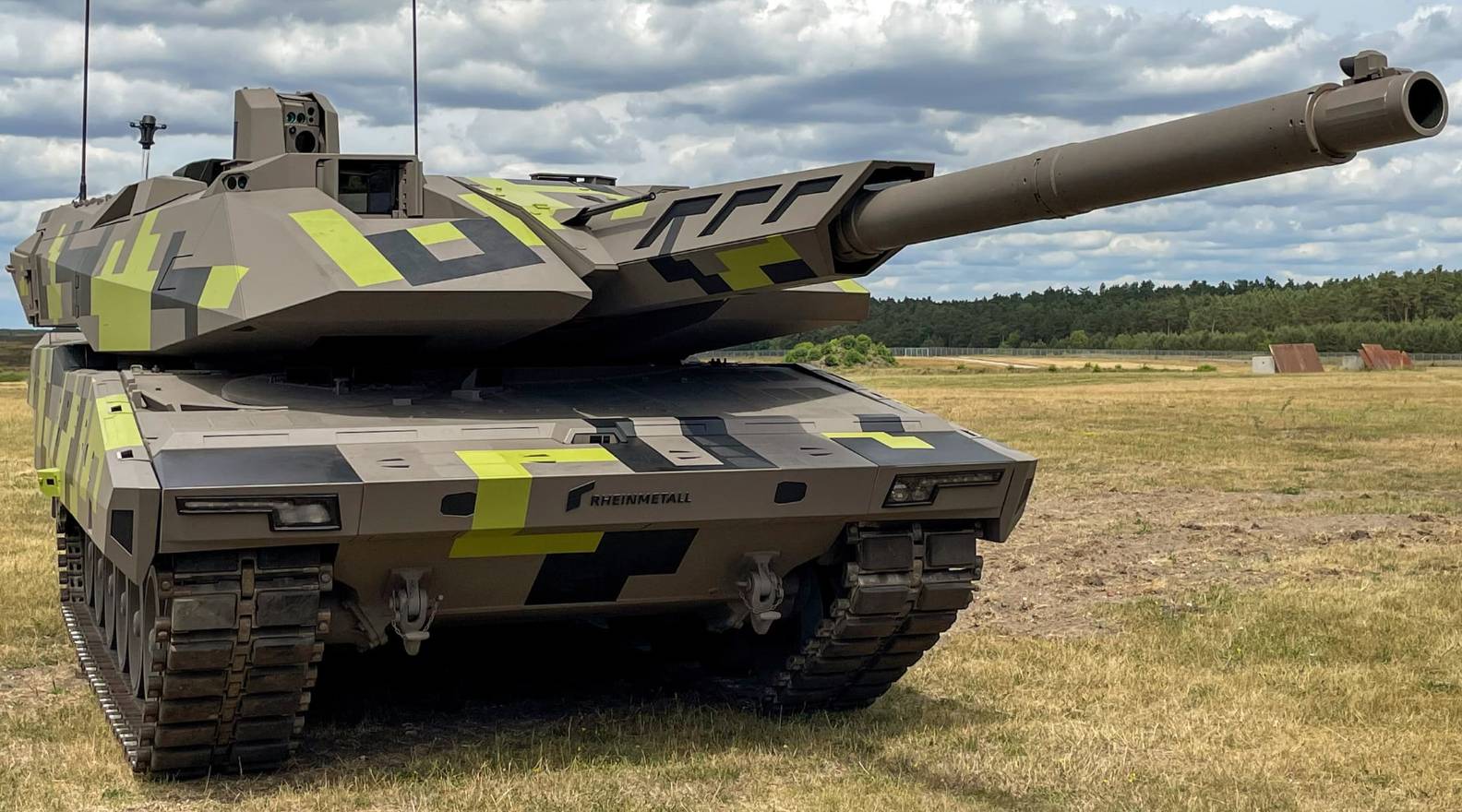
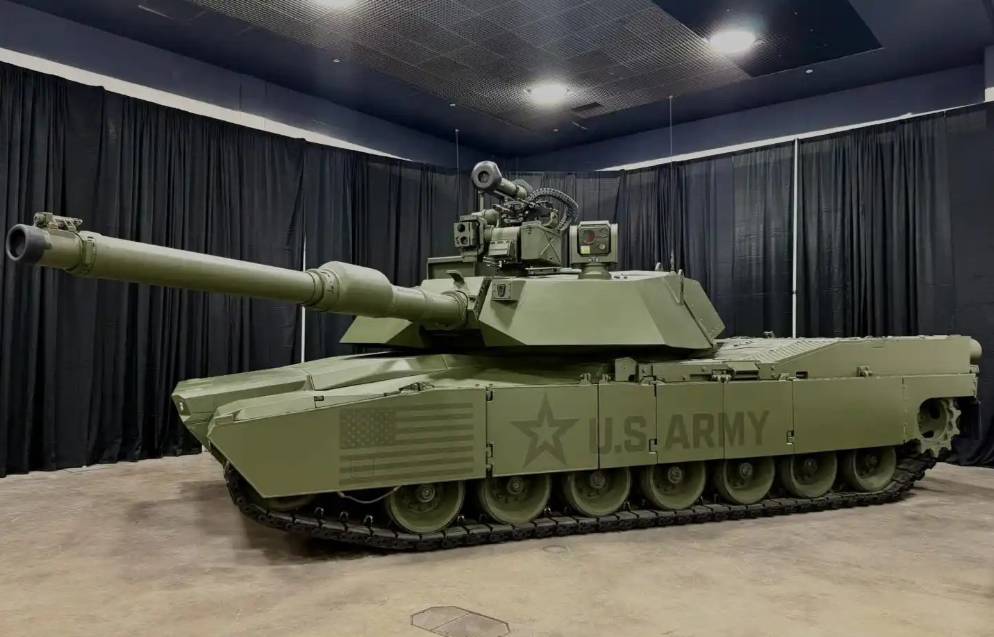
The idea behind APS is older than many observers realize. Tank crews have long relied on passive armor, spaced armor, reactive armor, smoke, and maneuver to survive shaped charges and anti-tank missiles. Yet as anti-armor weapons improved from recoilless rifles and wire-guided missiles to top-attack munitions and loitering drones, the old equation changed. A tank that could shrug off a Cold War-era anti-tank missile might still be vulnerable to a $500 drone carrying a small warhead. That is why APS matters now more than ever: it is the latest step in a century-long race between offense and defense.
From Cold War Concepts to Drone Warfare
The roots of modern APS can be traced to the late Cold War, when Soviet and Western engineers recognized that passive armor alone would not be enough against increasingly sophisticated anti-tank weapons. The Soviet Union pursued hard-kill concepts that would detect, track, and physically destroy incoming projectiles. Israel, after its hard lessons in the 1973 Yom Kippur War and later conflicts in Lebanon and Gaza, took a different path and built a combat-proven system around rapid sensor fusion and interceptor launch.
Those histories shaped Arena-M and Trophy. Arena-M is a descendant of Soviet thinking that emphasized dense battlefield survivability for mass armored formations. Trophy reflects Israel’s operational reality: small armored fleets fighting in environments saturated with anti-tank guided missiles (ATGMs), rocket-propelled grenades (RPGs), and ambush threats from short distances. FPV drones now challenge both systems, but they do so in a way neither designer fully expected when the original concepts were formed.
How Arena-M Works
Arena-M is Russia’s modernized hard-kill APS, intended to protect armored vehicles by detecting incoming threats and launching countermeasures that destroy or deflect them before impact. The system uses radar sensors mounted around the vehicle to scan for projectiles approaching at dangerous speeds. Once a threat is identified, Arena-M fires an interceptor munition that detonates near the incoming round, creating a destructive fragment field.
In theory, this gives a tank a final shield against anti-tank missiles and rocket-propelled grenades. In practice, the system’s performance depends on reaction time, sensor coverage, engagement geometry, and the nature of the threat. Arena-M’s architecture was developed in an era when the primary worry was a shaped-charge warhead fired from a shoulder launcher or guided missile team. FPV drones complicate this model because they are slower, smaller, often approaching from unusual angles, and can be used in dense swarms or from concealed positions.
For Russian armored forces, the appeal of Arena-M is obvious: it promises a layer of protection that complements armor, slat cages, and electronic warfare. But the war in Ukraine has shown that drones are not merely faster bullets in the sky. They are adaptive, expendable, and ubiquitous. A system that is optimized for missiles may struggle with a persistent drone threat that can loiter, maneuver, and attack from above or from the sides.
How Trophy Works
Trophy, developed by Rafael Advanced Defense Systems with Israeli partners, is the best-known operational APS in the world. It uses radar to detect incoming anti-tank threats, classifies them, and launches a small interceptor in the direction of the threat’s path. The interceptor creates a cloud of metal fragments that destroys or destabilizes the incoming projectile at a controlled distance from the vehicle.
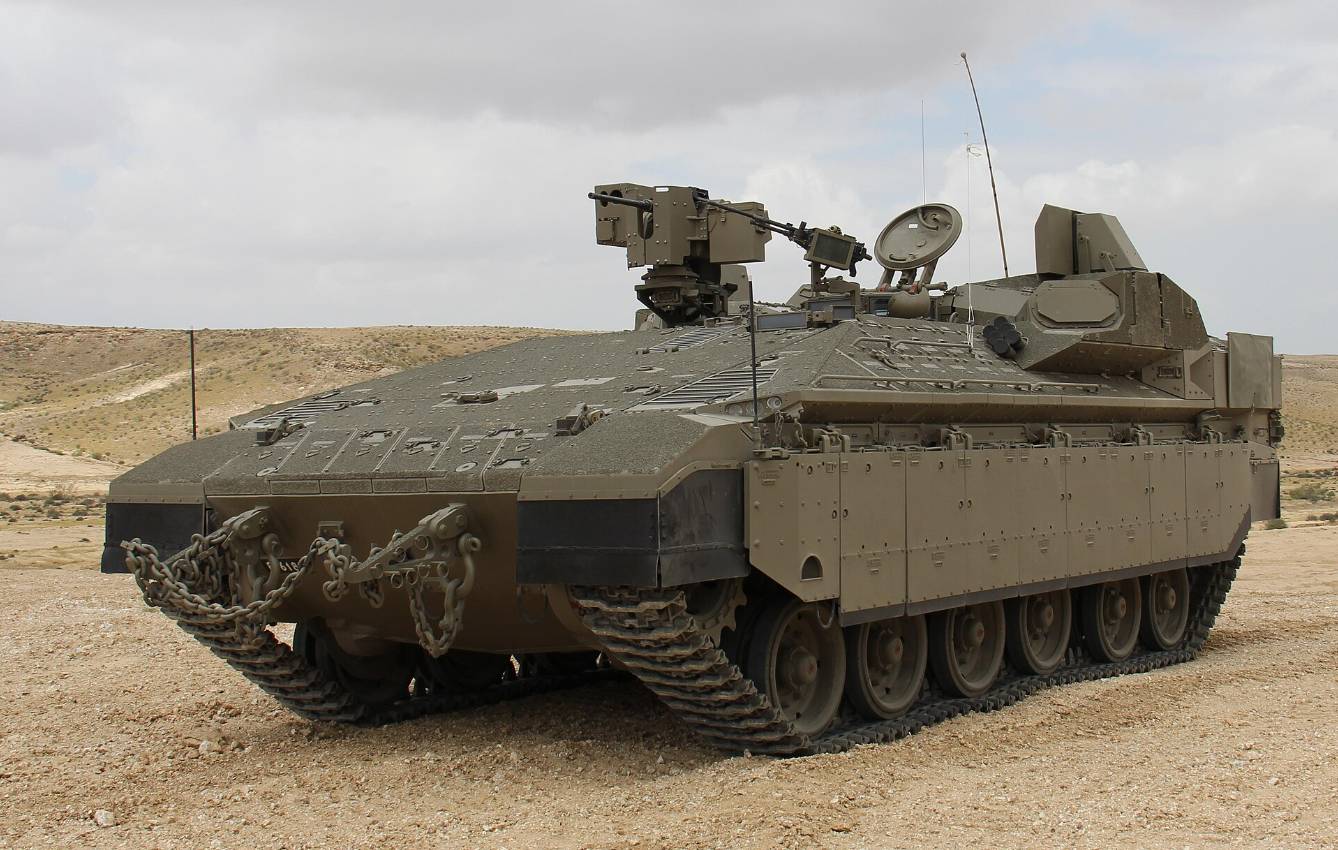
Unlike older defensive concepts that relied on passive layers alone, Trophy is designed to actively engage the threat before impact. It has seen extensive operational use on Israeli Merkava tanks and Namer armored personnel carriers, making it the most combat-proven APS in Western service. Its reputation was built against RPGs and ATGMs in close combat conditions, where reaction time is measured in fractions of a second.
That combat record matters. Many military technologies look excellent on the proving ground but fail under dust, smoke, urban clutter, and repeated engagements. Trophy has survived the transition from test range to battlefield, which is one reason it is often treated as the benchmark for hard-kill APS. Yet, like Arena-M, it was not originally designed around the present drone revolution.
FPV Drones as a New Kind of Threat
FPV drones differ from classic anti-tank weapons in three important ways. First, they are cheap enough to be used in massive numbers. Second, they are piloted in real time, allowing last-second corrections. Third, they can approach from above, where armored vehicles are typically least protected. This combination makes them particularly dangerous to vehicles that were designed around a different threat model.
Traditional APS systems were built to intercept fast incoming objects like missiles and rockets. FPV drones are slower, but that does not make them easy to defeat. Their small radar cross-section, low altitude flight, and ability to hover or reposition create a difficult detection problem. Moreover, if the drone is carrying only a modest warhead, the system must decide whether the engagement is worth the cost of firing an interceptor. In a high-intensity war, cost exchange ratios matter. A defender may be forced to spend a highly engineered interceptor to defeat a one-way drone that cost a tiny fraction as much.
History offers a useful comparison. Just as barbed wire and machine guns transformed infantry tactics in World War I, and just as anti-tank missiles changed armoured warfare in the 1970s, FPV drones are changing the tactical economy of the battlefield. They are not replacing artillery or missiles, but they are making concealment, dispersion, and active defense far more important than before.
Arena-M vs Trophy: Design Philosophy and Combat Logic
Arena-M and Trophy are built on the same broad principle, but they reflect different military cultures. Arena-M is associated with Russian armored doctrine, which historically favored heavy firepower, strong vehicle protection, and the expectation of large-scale mechanized combat. Trophy is rooted in Israel’s need for highly responsive defense in a dense, missile-rich environment where every tank is a high-value asset.
Arena-M strengths:
- Designed to enhance survivability against ATGMs and RPGs.
- Fits into the Soviet/Russian hard-kill APS lineage.
- Potentially valuable for mass armored formations facing saturation attacks.
Trophy strengths:
- Operationally proven in real combat.
- Integrated with modern vehicle electronics and battle management systems.
- Strong reputation for reliability and rapid threat engagement.
For FPV drones, however, neither system enjoys an automatic advantage. The issue is not simply whether the interceptor can destroy the drone, but whether the sensors can detect it early enough and whether the system’s engagement envelope is suitable for a slow, low, maneuvering target. A drone hovering close to a vehicle may be too near for a classic hard-kill engagement to work safely, and the risk of collateral damage to nearby infantry or friendly vehicles becomes a serious concern.
Spec Table
| System | Origin | Type | Primary Threats | Typical Platform Use | Combat Record |
|---|---|---|---|---|---|
| Arena-M | Russia | Hard-kill active protection system | ATGMs, RPGs, selected kinetic threats | Tanks and heavy armored vehicles | Limited public combat data |
| Trophy | Israel | Hard-kill active protection system | ATGMs, RPGs, anti-armor projectiles | Tanks and armored personnel carriers | Extensive operational use |
What the Ukraine War Has Revealed
The war in Ukraine has become a laboratory for the next phase of armored warfare. Tanks are no longer simply threatened by other tanks, tank destroyers, or guided missiles. They are also stalked by drones that can be launched from hidden positions, directed onto the vehicle’s roof, and used to strike optics, engine decks, hatches, and exposed crew positions. This has forced militaries to add cage armor, electronic warfare suites, infrared obscurants, and improvised anti-drone measures on top of APS.
The lesson is not that APS is obsolete. Rather, it is that APS must evolve. A system like Trophy represents a mature answer to the missile age, while Arena-M reflects a Russian effort to preserve armored relevance in a high-threat environment. But the FPV drone era requires broader defense: layered detection, soft-kill jamming, physical defeat mechanisms, and better situational awareness for the crew. No single system will be enough.
In that sense, the story of Arena-M versus Trophy is really the story of armored warfare’s continuing adaptation. From the first tanks crossing no-man’s-land, to the missile duels of the Cold War, to the drone-saturated battlefields of today, armor survives by evolving faster than the threat. The next generation of APS will likely need to deal not only with missiles and rockets, but also with small, cheap, intelligent aerial attackers that blur the line between precision weapon and disposable munition.
For armored forces, the future belongs to systems that can see first, react first, and survive the cheapest weapon on the battlefield.