

Why the German Army Moved Beyond the G36
The selection of Heckler & Koch’s G95A1 to replace the long-serving G36 marks more than a routine small-arms procurement decision. It reflects a broader effort by the Bundeswehr to correct a capability gap that emerged between the rifle’s original operational promise and the demands of modern infantry combat. The G36 served Germany in expeditionary missions for decades, but its replacement was driven by a mixture of technical, tactical, and institutional factors that extended well beyond simple wear and tear.
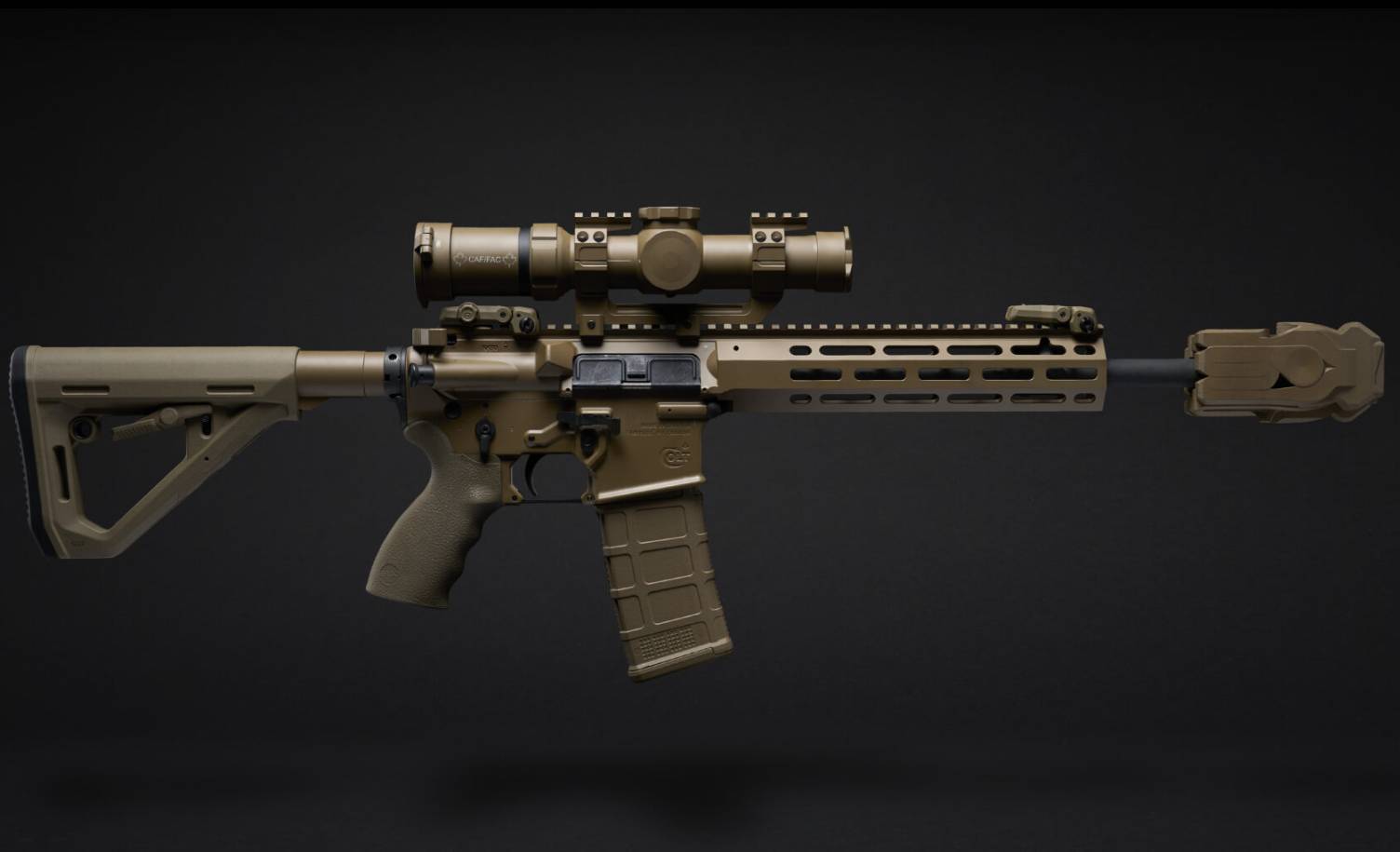
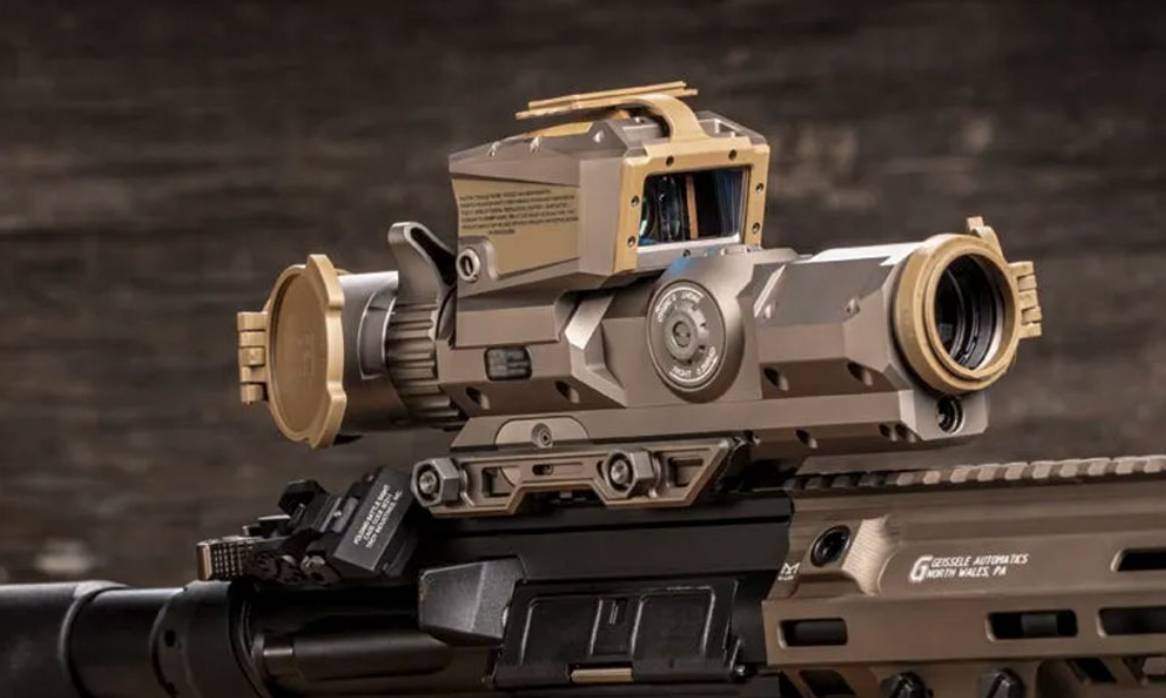
At the center of the shift was the Bundeswehr’s desire for a more modular, NATO-standard, optics-ready infantry weapon that could support contemporary doctrine. The G36 was a capable 5.56×45 mm rifle, but it entered service in an era when iron sights were still expected to play a major role and when infantry units were less dependent on integrated electro-optics, suppressors, and mission-specific accessory packages. By the time Germany reassessed its small-arms requirements, the battlefield had changed decisively.
Operational Pressure, Heat, and the Limits of the G36
The most visible controversy surrounding the G36 involved allegations of reduced accuracy during sustained fire or when the rifle became hot. While the technical debate around those claims was complex and sometimes politically charged, the episode had a lasting effect on procurement confidence. Even where the rifle remained operationally effective within its design parameters, the perception that accuracy could degrade under certain conditions undermined trust at institutional level.
For a military force preparing for high-intensity conflict after years of expeditionary counterinsurgency, confidence in the standard rifle matters as much as headline performance figures. The German Army needed a weapon that could reassure soldiers and commanders alike that point-of-aim consistency, barrel life, and accessory integration would remain reliable under combat stress. In that sense, the replacement decision was as much about restoring trust as it was about improving specifications.
The G95A1 and the Shift to a New Infantry Standard
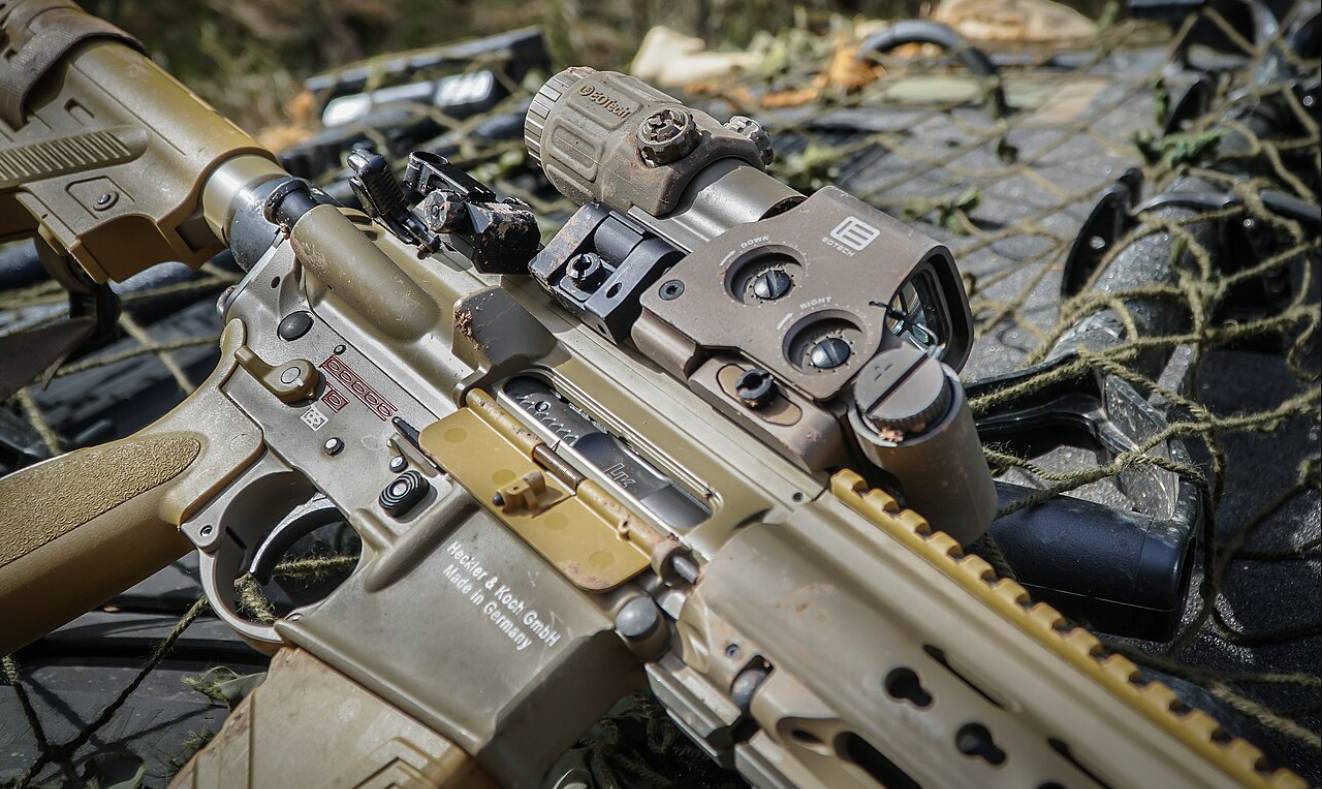
The G95A1 is based on Heckler & Koch’s HK416 family, a platform already well known for its short-stroke gas piston system and robust performance in adverse conditions. Germany’s choice therefore aligns the Bundeswehr with a rifle architecture that has accumulated a strong reputation across NATO special operations and conventional units alike. The selection of the G95A1 also signals a preference for a weapon system that can better absorb the demands of modern infantry employment: optics, laser aiming modules, night vision, suppressors, and variable ammunition loads.
This is important because the rifle is no longer simply a primary firearm; it is a carrier for the infantryman’s entire engagement ecosystem. The modern soldier is expected to operate with thermal sights, communications equipment, and mission-tailored attachments that place far greater demands on rail space, ergonomics, and recoil management than previous generations of infantry rifles. The G95A1’s architecture is better suited to that environment.
Technical Comparison: G36 vs. G95A1
Although exact Bundeswehr procurement variants and accessory packages may differ, the broad technical logic behind the replacement is clear. The table below summarizes the most relevant characteristics.
| Specification | G36 | G95A1 |
|---|---|---|
| Caliber | 5.56×45 mm NATO | 5.56×45 mm NATO |
| Operating System | Gas-operated, rotating bolt | Short-stroke gas piston, rotating bolt |
| Material/Construction | Polymer-heavy receiver architecture | Aluminum/steel-based modular architecture |
| Accessory Integration | Limited by older design standards | Full rail-based optics and accessory support |
| Ergonomics | Functional, but dated for modern kit | Improved modularity and handling |
| Heat Management | Subject to controversy under sustained firing | Designed for greater robustness under operational stress |
| Doctrine Fit | Late-Cold War / expeditionary transition era | High-intensity, networked, optics-centric infantry warfare |
The comparison shows why the issue was never just about one rifle being “better” in isolation. It was about whether the rifle could serve as a stable foundation for a more sophisticated infantry system. The G95A1 better matches that requirement.
NATO Interoperability and the Politics of Small Arms
Germany’s adoption of the G95A1 also carries alliance implications. NATO armies increasingly converge on small-arms concepts that emphasize common calibers, shared accessory standards, and similar employment doctrines. While the 5.56 mm cartridge remains standard for many Western infantry units, the real interoperability issue lies in how rifles support optics, suppressors, and training pipelines across allied formations.
By fielding a rifle derived from the HK416 family, Germany aligns itself more closely with a platform that has been tested in multinational operational environments. That matters for joint operations, training exchanges, and logistical familiarity. In crisis scenarios, the more closely a rifle ecosystem resembles that of allied units, the easier it becomes to synchronize tactics, maintenance, and resupply practices.
The decision also has industrial significance. Heckler & Koch remains one of Germany’s most visible defense manufacturers, and the selection reinforces domestic small-arms expertise at a time when European states are reassessing the resilience of their defense-industrial base. In practical terms, the G95A1 is not simply a weapon; it is part of a broader effort to preserve sovereign production capability in a strategically sensitive sector.
Doctrine: From Patrol Rifle to Combat System
The Bundeswehr’s requirements increasingly reflect the reality that the infantry rifle is now a system-of-systems node. A modern soldier may need to engage from covered positions, integrate with drones and forward observers, or operate under low-light conditions while wearing body armor and carrying substantial electronic equipment. This changes what “good rifle design” means.
The G36 was developed in a period when the infantry fight was understood differently. Its lightweight polymer design offered advantages in portability and manufacturing, but the contemporary battlefield has exposed the limitations of a rifle optimized primarily for weight savings. By contrast, the G95A1 is part of a doctrine that prioritizes:
- Reliable optics mounting for day and night engagements
- Accessory expansion for suppressors, illuminators, and lasers
- Greater controllability in rapid fire and close combat
- Improved consistency under thermal and environmental stress
- Better adaptation to mixed mission profiles across Europe and beyond
This is not merely a technical upgrade. It represents a shift from a rifle-centered mindset to an integrated infantry-combat mindset.
The Strategic Meaning of the Replacement
The replacement of the G36 with the G95A1 should be understood in the context of Europe’s changing security environment. Russia’s invasion of Ukraine has accelerated reassessments across NATO regarding readiness, ammunition stockpiles, and the equipment standardization of ground forces. Germany’s small-arms modernization therefore sits within a larger trend: the return of high-intensity land warfare to the center of European defense planning.
In that environment, rifle reliability is no longer a peripheral issue. Infantry weapons must support dispersed maneuver, urban fighting, trench clearance, and prolonged defensive operations. A rifle that works only in ideal conditions is no longer acceptable. The Bundeswehr’s move toward the G95A1 indicates a stronger appreciation for durability, modularity, and tactical adaptability as core combat attributes.
There is also a morale dimension. Soldiers tend to place extraordinary trust in their service rifle, and that trust affects training, marksmanship confidence, and unit cohesion. A modern rifle replacement therefore has symbolic weight: it signals that leadership is willing to invest in the tools infantry actually carry, not simply the ones procurement cycles are accustomed to buying.
What Comes Next for the Bundeswehr
The introduction of the G95A1 will not solve every readiness challenge facing the German Army, but it does close one important gap. Future effectiveness will depend on how well the rifle is paired with ammunition quality, optical sights, suppressors, and realistic training standards. Small-arms modernization only delivers full value when it is integrated into marksmanship doctrine and combat drills.
Over time, the real measure of success will be whether the Bundeswehr fields a rifle that soldiers trust across the entire operational spectrum, from routine garrison training to sustained combat under fire. If the G95A1 delivers on that promise, it will be remembered not just as a replacement for the G36, but as a symbol of Germany’s adaptation to the demands of twenty-first-century warfare.