

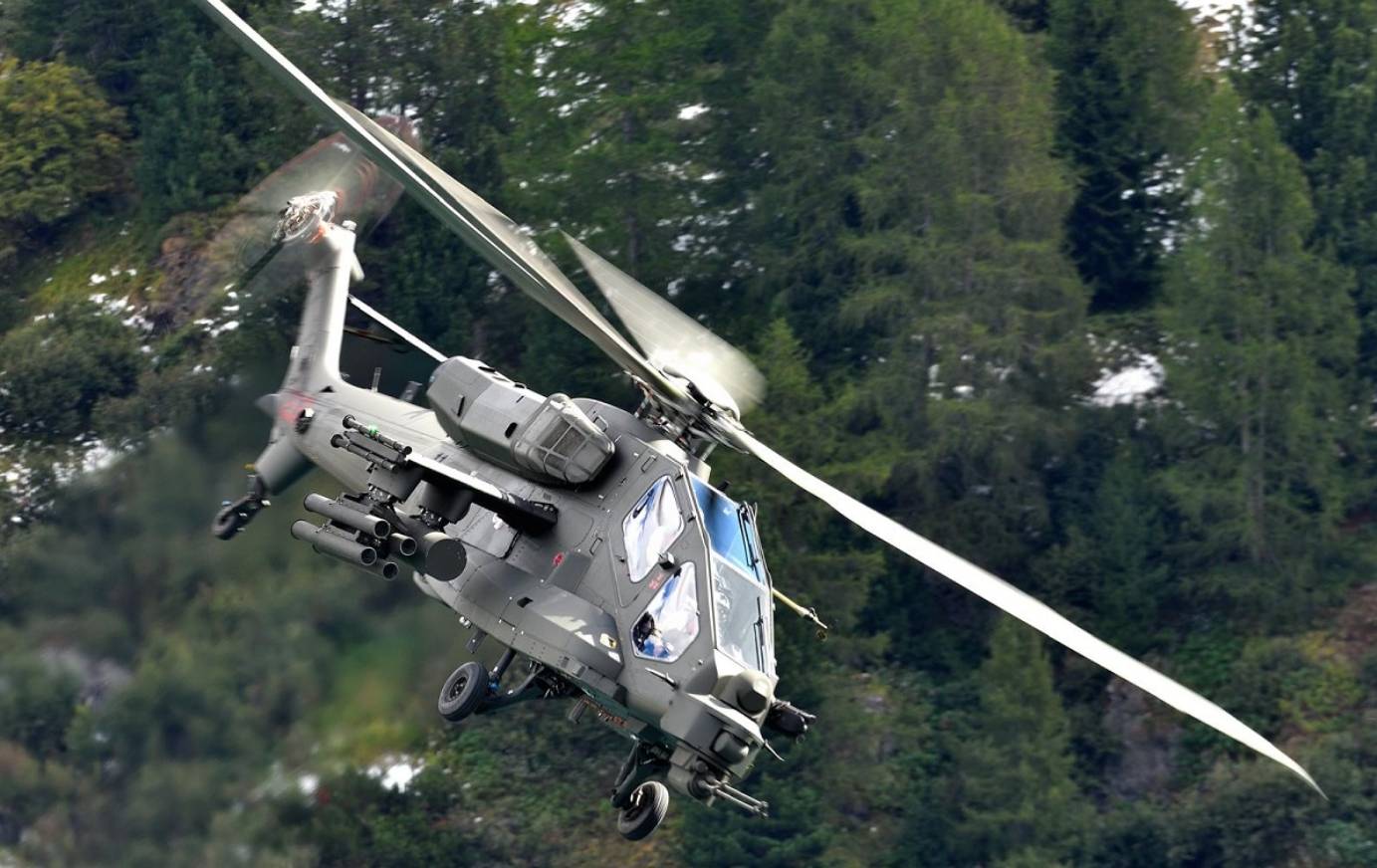
Meet the AW249 Fenice, Italy’s ambitious answer to the future of armed rotary-wing warfare: a clean-sheet attack helicopter designed to replace the aging A129 Mangusta and to operate in the far more dangerous, data-rich, electronically contested battlespace of the 2030s and beyond. If the classic attack helicopter was a pure hunter-killer, the Fenice is something more evolved: a networked, survivable, modular weapons truck built to fight with unmanned teammates, absorb battlefield punishment, and keep flying when the spectrum gets ugly.
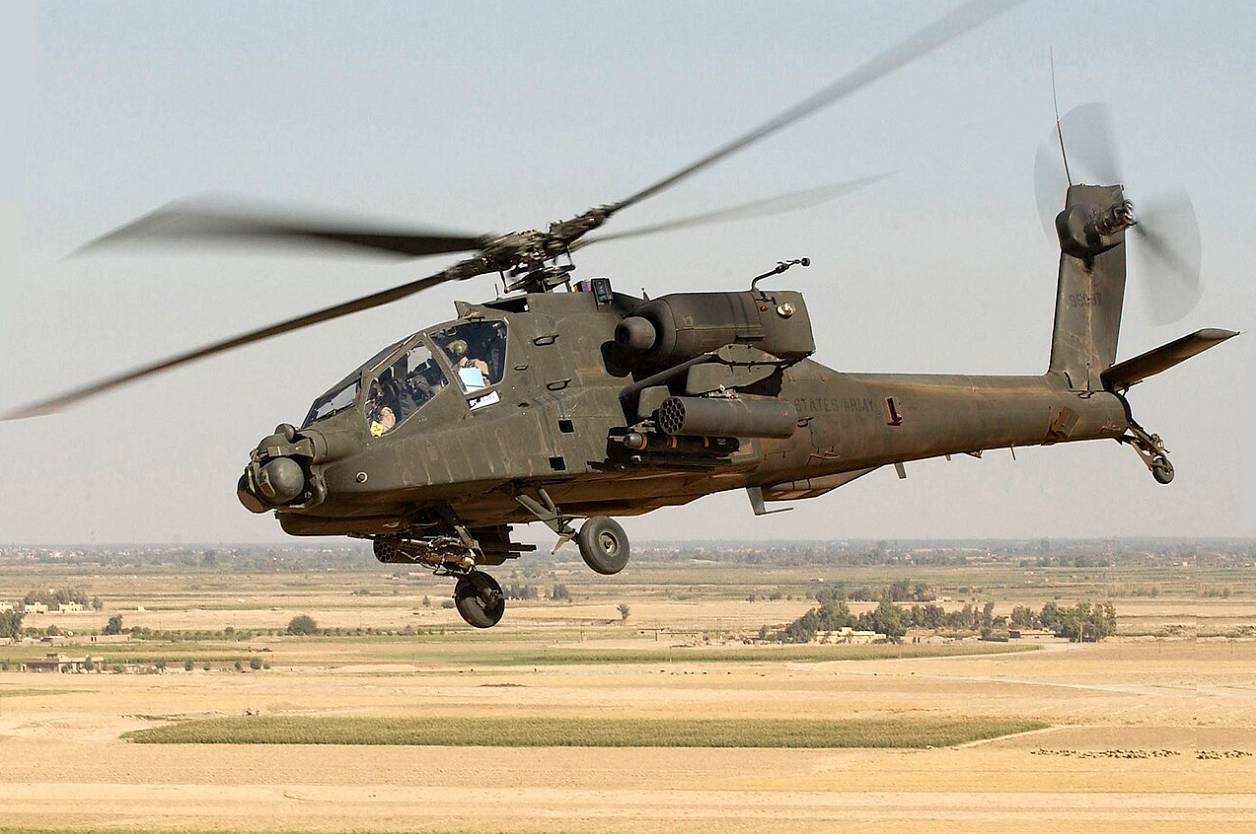
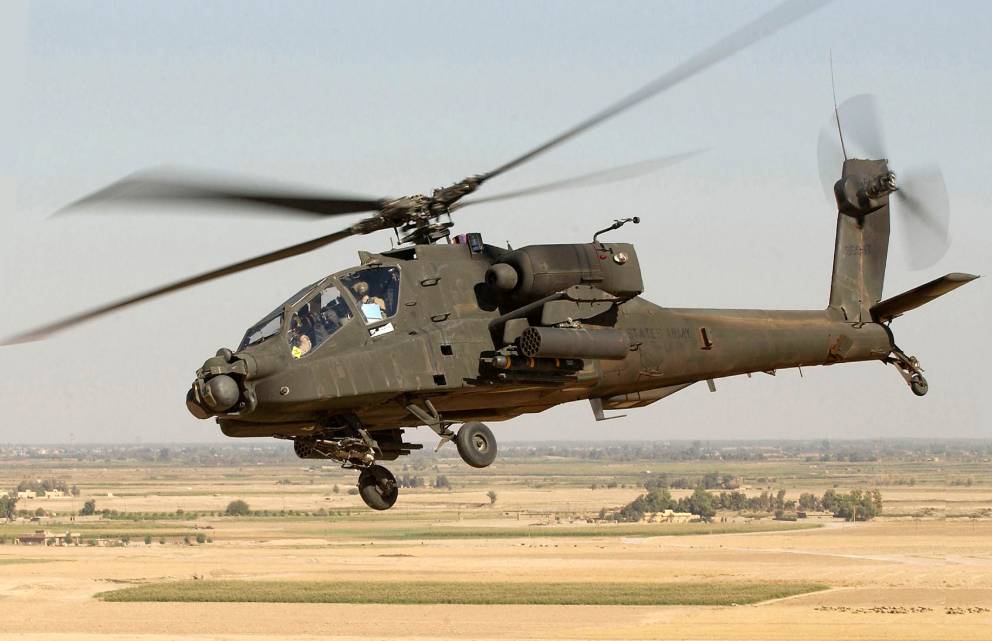
And yes, this thing is a serious piece of engineering theater. The AW249 is not a warmed-over legacy airframe with a few digital gadgets bolted on. It is an all-new platform from Leonardo, developed to give the Italian Army a modern attack helicopter with growth margin in power, payload, sensors, and connectivity. In other words: a helicopter designed not just for today’s missiles and machine guns, but for tomorrow’s drones, electronic warfare threats, and data fusion demands.
A clean-sheet design with a very modern mission
The AW249’s most important feature is not a weapon or a sensor. It is the fact that it was designed from the ground up for modern combat. That matters because attack helicopters have changed dramatically. The old model of popping up from behind terrain, firing a handful of Hellfires or rockets, and ducking back down is still relevant, but now crews must also survive infrared seekers, networked air defenses, drones, jammers, and an increasingly transparent battlefield where everyone can see everyone else.
Leonardo’s answer is a helicopter that blends:
- High survivability through armor, redundancy, and low-observable shaping choices where practical
- Strong growth potential in power and payload
- Open-architecture avionics for rapid upgrades
- Multi-domain connectivity so the helicopter can share targeting and situational awareness data
- Modular weapons carriage for anti-armor, anti-air, and suppression missions
The result is an attack helicopter that looks like it was built for a coalition, drone-enabled battlefield rather than a Cold War tank duel.
AW249 Fenice specs at a glance
| Specification | AW249 Fenice |
|---|---|
| Role | Attack helicopter |
| Manufacturer | Leonardo |
| Origin | Italy |
| Crew | 2 |
| Engines | 2 × General Electric CT7-8E6 turboshafts |
| Maximum takeoff weight | About 8,300 kg |
| Maximum speed | About 259 km/h |
| Range | About 800 km |
| Service ceiling | About 6,000 m |
| Armament | Internal cannon, rockets, guided missiles, and future air-to-air options |
| Primary mission | Anti-armor, escort, reconnaissance, fire support, and networked strike |
Note: performance figures may vary as the platform continues testing and integration work.
Powerplant and performance: built with room to grow
Under the skin, the AW249 is powered by two General Electric CT7-8E6 turboshaft engines, a sensible choice that gives the aircraft a modern power baseline and a respectable margin for mission equipment, hot-and-high conditions, and future upgrades. For an attack helicopter, engine choice is not just about raw horsepower; it’s about maintaining performance while carrying armor, sensors, fuel, and weapons without turning the aircraft into a sluggish flying brick.
The published top speed is around 259 km/h, which places the Fenice in the same general class as other modern attack helicopters. More importantly, the aircraft’s design emphasizes endurance and payload flexibility over pure speed records. Attack helicopters rarely win on dash speed alone. They win on the ability to arrive with the right mix of weapons, sensors, and survivability measures, then stay in the fight long enough to matter.
Range is listed at about 800 km, a useful figure for escort, armed reconnaissance, and deep support missions. That endurance opens up real operational flexibility, especially when paired with forward arming and refueling points, networked target handoff, and offboard cueing from drones or ground forces.
Survivability is the real headline
Any attack helicopter entering service in the 2020s has to survive more than small arms and the occasional MANPADS threat. The AW249 is expected to incorporate a layered survivability package that includes armored protection, redundant systems, modern warning sensors, and self-protection suites designed to defeat or confuse incoming threats.
That matters because the battlefield is now saturated with sensors. Thermal imagers, passive RF detectors, and low-cost drones can all expose a helicopter long before it sees its target. The Fenice’s design philosophy reflects that reality. The airframe is shaped and packaged to reduce vulnerability where possible, while avionics and defensive aids are intended to give the crew maximum warning and maximum reaction time.
It is also worth emphasizing the importance of maintainability. A combat helicopter that is easy to service can be generated faster for sorties, which is a survivability feature in its own right. Fewer hours on the ground means less exposure and more combat power when it counts.
Weapons: the classic attack-helicopter toolkit, updated
The AW249 is built to carry the sort of weapons package that makes attack helicopters such nasty customers. That includes an internal cannon for close-in engagements and suppression, plus external stations for rockets and guided missiles. In practical terms, that means the Fenice can be configured for anti-armor ambushes, escort missions, urban support, or reconnaissance with teeth.
The platform is expected to integrate NATO-standard and future-compatible munitions, giving it the flexibility to adapt as European missile inventories and doctrine evolve. That is a big deal. The best attack helicopter is not just the one with the meanest punch today, but the one that can keep accepting new weapons as they appear.
Potential mission loads include:
- Anti-armor guided missiles for armored vehicle defeat
- 70 mm rockets for area suppression and light targets
- 30 mm class cannon fire for close support and precision engagement
- Air-to-air missiles for self-defense against helicopters and drones, depending on integration
That last point is especially important. The rise of small UAVs has changed the game, and an attack helicopter that can defend itself against aerial threats becomes much more valuable in cluttered, contested airspace.
Avionics and networking: where Fenice gets futuristic
This is where the AW249 starts to feel less like a traditional attack helicopter and more like a flying node in a digital kill web. Leonardo has emphasized open architecture avionics, which should make the aircraft easier to update with new sensors, datalinks, electronic warfare tools, and mission software. That is not just a nice-to-have. It is the difference between a platform that ages gracefully and one that becomes obsolete when the threat environment shifts.
For crews, the payoff should be a highly integrated cockpit, improved situational awareness, and better sensor fusion. Instead of juggling separate displays and isolated feeds, the pilot and co-pilot/gunner can hopefully see a cleaner tactical picture, with targets, threats, and friendly positions merged into a more intuitive interface.
That matters even more when the helicopter is working with unmanned aircraft. The AW249 is part of a broader trend toward manned-unmanned teaming, where attack helicopters can receive target data from drones, coordinate with remote sensors, or even help manage the airspace around them. In that world, the helicopter becomes less of a lone predator and more of a command-shoot platform with serious reach.
Why Italy needed a new attack helicopter
The A129 Mangusta served Italy well, but the battlefield has moved on. Threats are faster, detection is easier, and the demand for digital interoperability is much higher. The AW249 gives Italy an indigenous or closely controlled modern capability with room to evolve, which is strategically valuable in its own right.
There’s also an industrial angle. Designing and fielding a new attack helicopter helps preserve expertise in advanced rotorcraft design, military avionics, weapons integration, and sustainment. That kind of know-how is not easy to rebuild once it’s gone. The Fenice program keeps that ecosystem alive while giving the Italian Army a platform tailored to its doctrine and future requirements.
How it stacks up conceptually
The AW249 sits in a very interesting place among contemporary attack helicopters. It is not trying to be the biggest or most heavily armored machine in the world. Instead, it is aiming for the sweet spot of modern survivability, mission flexibility, and upgradeability. That makes it more comparable in philosophy to other next-generation rotary-wing programs focused on networking and open systems rather than brute-force payload alone.
Where older helicopters often feel like optimized relics of a previous war, the Fenice feels like a platform designed with the assumption that tomorrow’s fight will involve electronic warfare, drones, precision fires, and constant software updates. That is exactly the kind of mindset the attack-helicopter community needs.
The bottom line on Fenice
The AW249 Fenice is more than just a new helicopter. It is a statement that the attack helicopter still has a future — provided it evolves. With its clean-sheet airframe, modern engines, networked avionics, and flexible weapons fit, the Fenice is built to be useful in the real wars of the coming decades, not just ceremonially impressive on a parade ramp.
If the program delivers on its promise, Italy will field one of the most forward-looking attack helicopters in Europe: a machine with the right mix of firepower, survivability, and digital agility to thrive in a world where the battlefield is no longer just seen through a gunsight, but through a sensor web.
In short: the AW249 Fenice is exactly what a next-generation attack helicopter should be — modular, networked, survivable, and unapologetically built for the future.