

The real edge is not just stealth
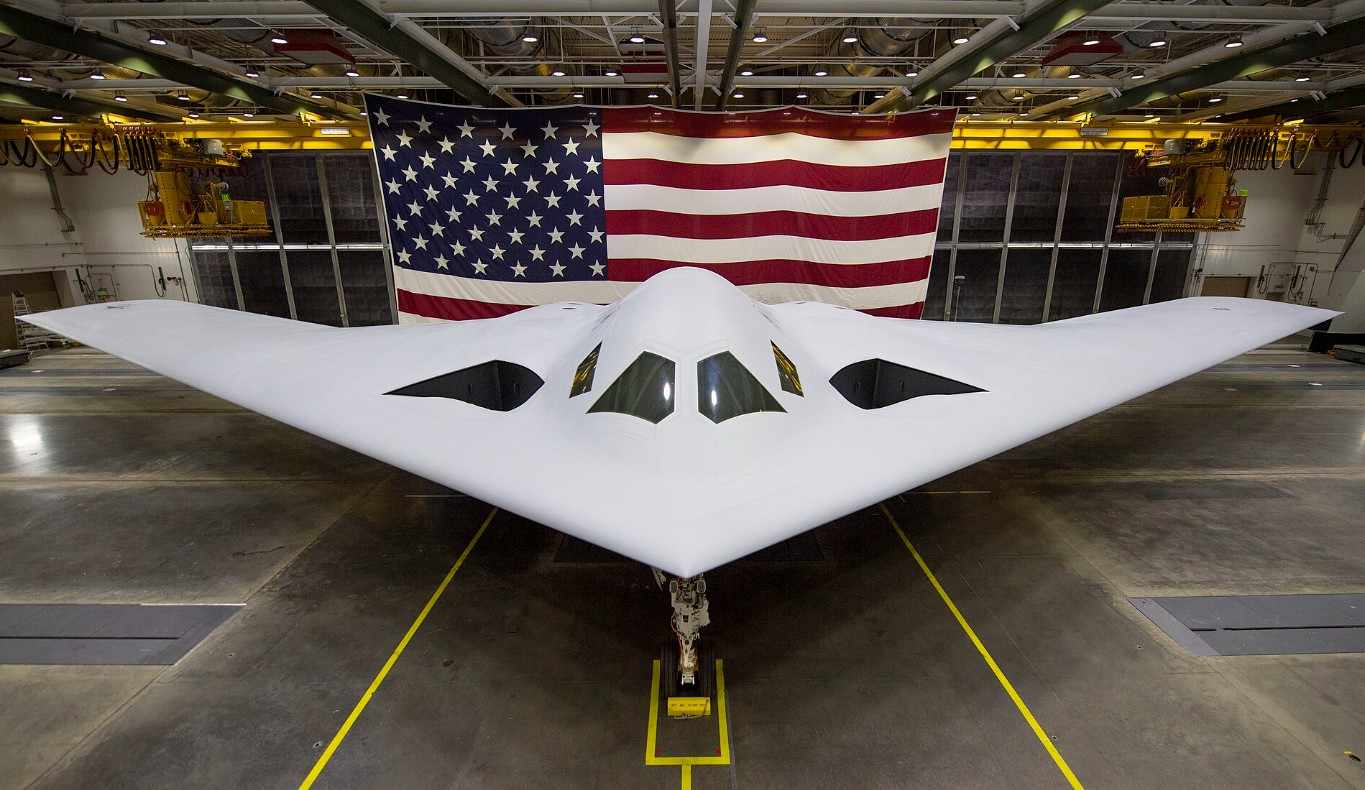
The B-21 Raider is being sold as a sixth-generation bomber, but the most important part of the aircraft may not be what you can see on a runway. What matters most is how the airplane is built to evolve. In military aviation, the platform that survives is rarely the one with the best brochure performance on day one. It is the one that can absorb new sensors, new weapons, new mission software, and new tactics without turning into a depot-level science project every few years.

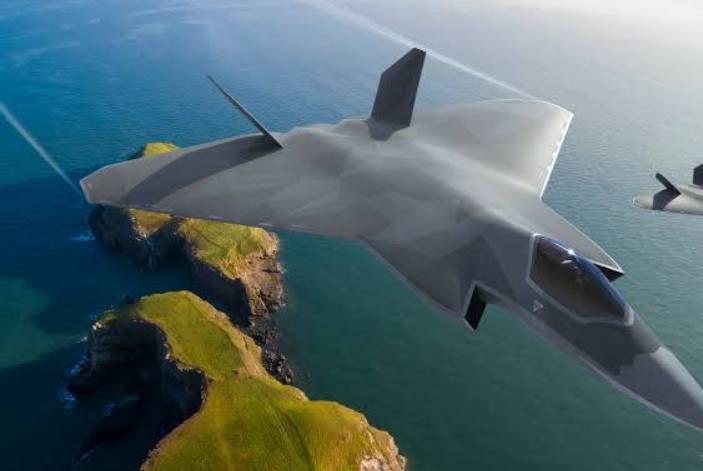
That is where Next-Gen Open Architecture comes in. In plain terms, it means the B-21 is designed from the start to accept upgrades quickly, with less friction between hardware, software, and the systems that connect them. For operators, that translates into faster fielding, lower sustainment pain, and a bomber that can keep pace with threats that are changing faster than traditional acquisition cycles can handle.
Why open architecture matters in the real world
Anyone who has worked around legacy combat aircraft knows the problem: every major upgrade tends to cascade into a long chain of integration issues. A new radar can require new cooling, new power management, new mission computers, new wiring, and new testing. A software patch can trigger months of validation because the original system was built as a tightly coupled stack. That is manageable when threats move slowly. It is a liability when the threat system is being updated every year, or faster.
The B-21’s design approach is meant to break that cycle. Open architecture aims to use standardized interfaces so mission systems can be swapped, refreshed, or expanded with less rework across the airframe. The practical benefit is not just cheaper upgrades. It is time. In combat aviation, time is often the real currency. If a bomber can field a new electronic warfare function or weapons interface in a shorter window, commanders gain a usable capability before an adversary adapts.
What “future-proof” really means for a bomber
Nothing in military aviation is truly future-proof. That phrase gets abused. Air defense networks change, sensors improve, and adversaries learn. But a platform can be future-ready if it is built with enough adaptability to stay relevant.
For the B-21, that means several things:
- Modular mission systems that can be replaced or upgraded without redesigning the entire aircraft.
- Software-defined capabilities that allow faster changes to tactics, threat libraries, and mission planning tools.
- Common standards that make it easier to integrate weapons and sensors from different vendors.
- Digital engineering and testability that shorten the loop between concept, integration, and operational use.
Those may sound like acquisition buzzwords, but they matter on the flight line. A bomber that is easy to modernize is a bomber that can stay in the fight longer, at lower cost, with less downtime between capability jumps.
How open systems change sustainment
One of the least glamorous parts of airpower is sustainment, yet it is often where programs succeed or fail. A stealth bomber with exquisite technology is only useful if it can be maintained without crushing manpower demands or endless supply-chain fragility. Open architecture can help here as well.
If key systems are built around standardized digital interfaces and modular components, maintainers are not forced to tear apart half the jet just to replace one element of the mission suite. That reduces maintenance hours and supports faster turnaround. It also gives the services more leverage over vendors, because they are less locked into a single proprietary ecosystem.
That is especially important for stealth aircraft, where low-observable maintenance can already be time-consuming. If the aircraft can be upgraded through cleaner software and modular hardware paths, the sustainment burden is less likely to spiral every time the threat picture changes.
Table: B-21 Raider at a glance
| Specification | Details |
|---|---|
| Role | Long-range stealth bomber |
| Manufacturer | Northrop Grumman |
| Service | U.S. Air Force |
| Crew | Not publicly confirmed; expected to be two |
| Stealth design | Low-observable flying-wing configuration |
| Architecture | Next-Gen Open Architecture / modular mission systems |
| Primary mission | Penetrating strike, nuclear deterrence, conventional strike |
| Weapons integration | Designed for future weapons and software-defined mission growth |
| Status | In development and testing |
The software battle is just as important as the airframe
Modern air warfare is increasingly a software fight. The best airframe in the world can be made less relevant if the mission system cannot digest new threat data or communicate with the rest of the force. The B-21 is designed with that reality in mind. Instead of treating software as an afterthought, the aircraft appears to be built around the assumption that mission effectiveness will depend on continuous digital refresh.
That matters because future combat will involve contested electromagnetic environments, dynamic targeting, and fast-moving kill chains. A bomber may need to integrate with offboard sensors, allied networks, space-based systems, and stand-in assets. If the architecture is open enough, those links can be added or improved without forcing a total redesign. That gives planners more options and reduces the risk of capability stagnation.
Weapons growth is where the architecture pays off
One of the strongest arguments for open architecture is weapons integration. Bomber relevance depends on more than payload volume. It depends on whether the platform can carry the right weapons for the threat at hand. As standoff ranges, air defenses, and target sets evolve, the bomber must be able to adapt to new munitions and new employment concepts.
The B-21 is expected to support a broad future weapons set, but the real value is in how quickly those weapons can be brought online. A rigid integration path can delay a weapon for years. A modular path can shorten that cycle significantly. In the field, that means the aircraft can be matched to the mission rather than forcing the mission to fit an outdated weapons suite.
This is especially important for a penetrating bomber. If the aircraft is intended to operate inside highly defended airspace, every added capability must be weighed against stealth, range, survivability, and mission planning complexity. Open architecture gives planners a better shot at balancing those factors without locking the platform into yesterday’s assumptions.
Interoperability is not a luxury
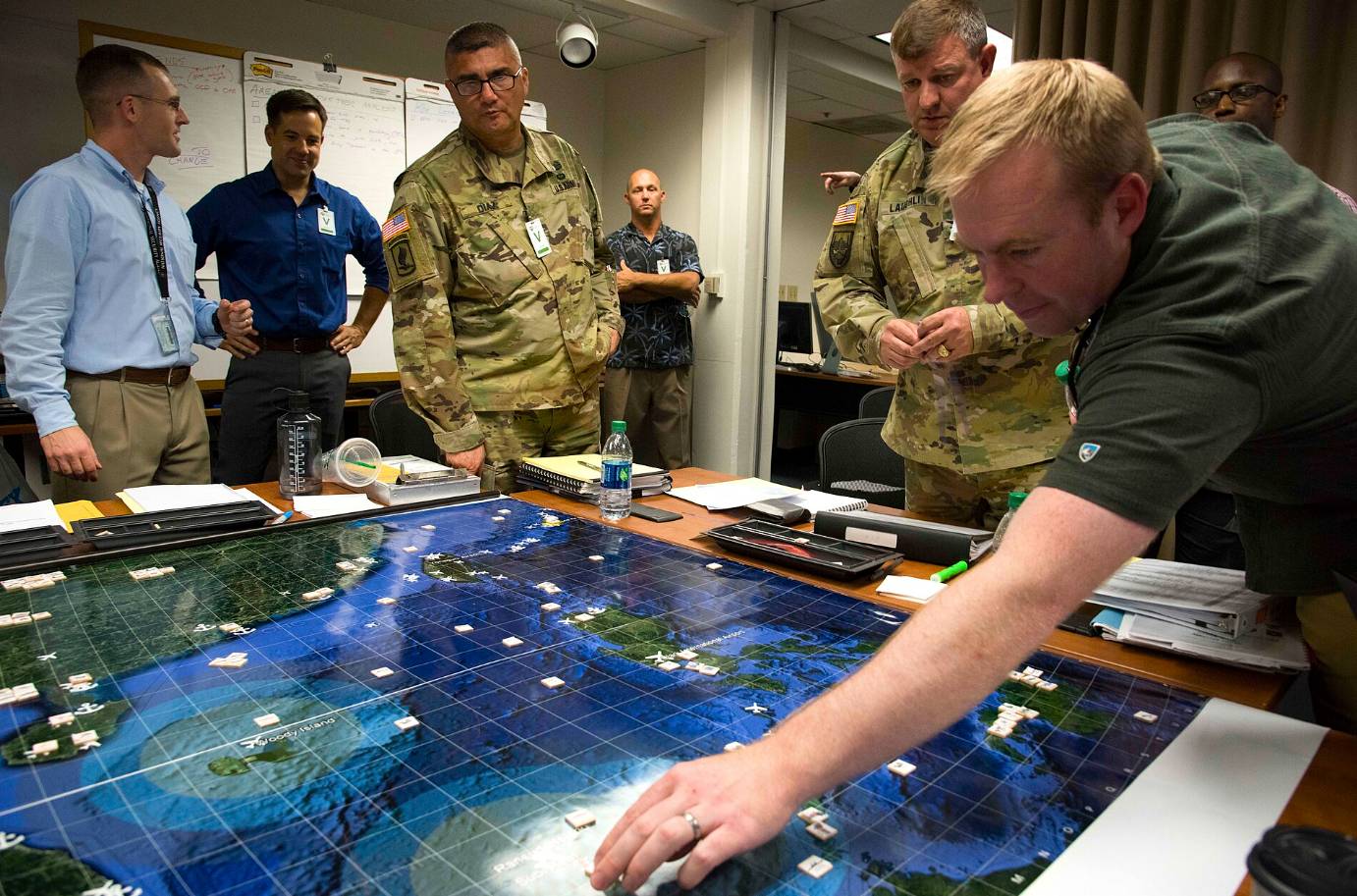
The B-21 will not fight alone. In any serious conflict, it will be part of a larger network that includes fighters, tankers, ISR assets, space support, cyber effects, and command-and-control systems. Open architecture helps the bomber fit into that broader ecosystem.
Interoperability is about more than data links. It is about mission coherence. If a bomber can receive updated targeting data, share situational awareness, and sync with joint or allied systems more efficiently, it becomes a more flexible tool for commanders. That is a real operational advantage when the environment is fluid and the target list changes faster than a traditional planning cycle.
The strategic value of upgrade speed
There is a tendency to focus on stealth shaping, range, or payload when discussing the B-21. Those are important, but upgrade speed may become the aircraft’s defining strategic attribute. A bomber that can mature with the threat is more valuable than one that arrives with a marginally better spec sheet but a rigid upgrade path.
That is the logic behind open systems: reduce the penalty for change. In an era where electronic warfare techniques, air defense sensors, and long-range strike requirements evolve continuously, the ability to field improvements rapidly can matter as much as raw performance. It also helps the Air Force avoid the trap of waiting for the “perfect” future upgrade package while current missions demand a usable answer now.
What to watch next
The key question is not whether the B-21 will be stealthy or long-ranged. It will need to be both. The more important question is whether its architecture proves flexible enough to keep absorbing new capabilities over decades, not just a few test blocks.
Watch for signs in these areas:
- How quickly new mission software is fielded
- How easily new weapons are integrated
- Whether sustainment remains manageable as the fleet grows
- How effectively the bomber connects with joint force networks
- How much of the upgrade process can be done without major airframe redesign
If the B-21 delivers on the promise of Next-Gen Open Architecture, it will not just be a new bomber. It will be a platform that can keep pace with the next several decades of air warfare without becoming trapped by its own design. That is the difference between a sleek aircraft and a strategic weapon system built for endurance.