

A New Breed of Combat Airpower
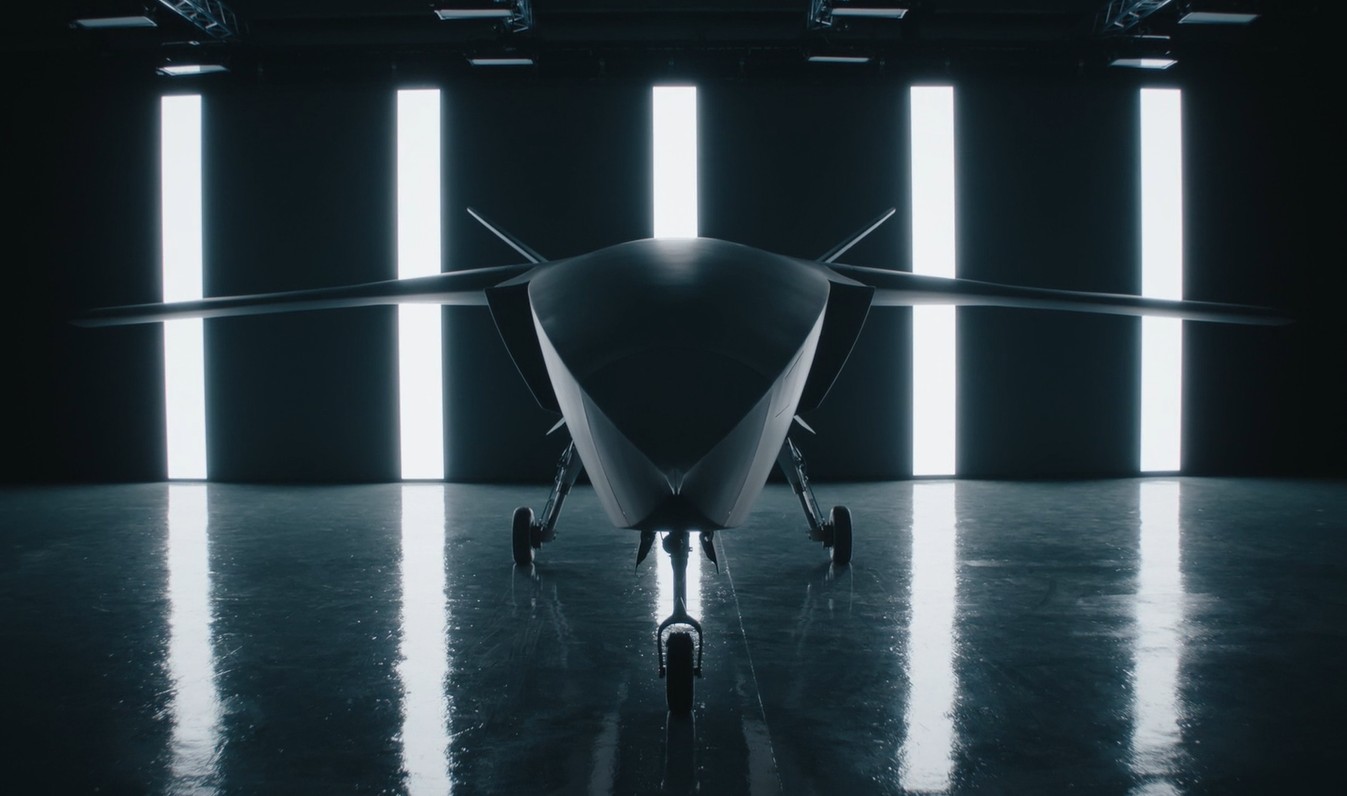
Germany is stepping into the next era of air combat with the CA-1 Europa, an upcoming unmanned fighter jet concept that sits right at the intersection of stealth, autonomy, and raw kinetic punch. If the name sounds ambitious, that is because it is. The program signals a serious push toward the kind of combat aircraft that can fly hard, think fast, and take risks no human pilot would ever be expected to shoulder.
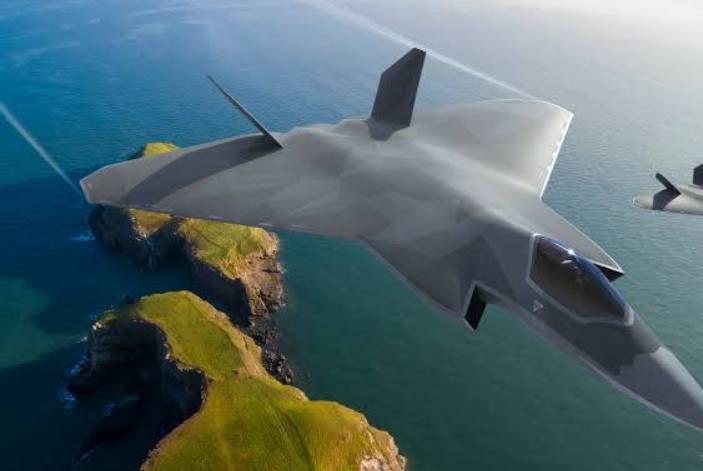
For years, defense planners have talked about the value of attritable and optionally unmanned aircraft. The CA-1 Europa takes that conversation and turns the dial toward a full-on combat system built for the realities of the 2030s and beyond: dense air defenses, electronic warfare, long-range sensing, networked targeting, and the need to preserve expensive crewed platforms for the missions that truly require humans in the loop.
The big idea is simple but powerful. Build a jet that can sprint into contested airspace, absorb risk, deliver weapons or sensing effects, and cooperate with crewed fighters and drones as part of a distributed air wing. That is the future many air forces are chasing, and Germany wants a seat at the sharp end of that table.
What the CA-1 Europa Is Trying to Be
The CA-1 Europa is not just a drone with a fighter-shaped silhouette. It is being framed as an unmanned combat aircraft designed to operate in high-threat environments where survivability and network connectivity matter as much as speed and payload. In practical terms, that means a platform optimized for penetration, reconnaissance, strike, and escort duties, while remaining flexible enough to evolve as mission software and sensors improve.
That flexibility is the real engineering prize. Modern air warfare is no longer about a single jet carrying a single pilot with a fixed mission set. It is about a combat cloud: sensors, shooters, decoys, jammers, gateways, and remote operators all feeding one another data. A platform like CA-1 Europa can act as a forward sensor node, a missile truck, an electronic warfare decoy, or a loyal wingman-style companion to crewed fighters.
Germany is particularly well positioned to pursue this because it already has deep industrial and systems-engineering expertise across fighters, avionics, mission software, and advanced manufacturing. The CA-1 Europa is therefore less a one-off science project and more a signpost pointing toward a larger European industrial ambition: sovereign combat air capability in the age of autonomy.
Why Unmanned Fighter Jets Matter Now
The shift toward unmanned fighters is being driven by three hard realities. First, air defenses are getting nastier. Modern integrated air defense systems combine long-range radar, passive sensors, surface-to-air missiles, and electronic attack in a way that makes old assumptions about air superiority look quaint. Second, airframes are expensive, and highly trained pilots are even more valuable. Third, artificial intelligence, sensor fusion, and resilient datalinks are now mature enough to enable aircraft that can do far more than simply fly from point A to point B.
That does not mean the pilot disappears from the fight. It means the human can move to where they are most effective: commanding multiple assets, making higher-order decisions, and focusing on mission intent rather than hand-flying every maneuver. In that sense, the CA-1 Europa represents a shift from pilot-centric combat to system-centric combat.
And that shift has huge implications. An unmanned fighter can be designed with more aggressive performance margins, less concern for cockpit ergonomics, and potentially a lower signature profile because there is no canopy, ejection seat, or life-support stack in the traditional sense. Every kilogram saved can be redirected into fuel, weapons, sensors, or survivability systems.
Design Philosophy and Likely Architecture
While the exact technical details of the CA-1 Europa are still evolving, the broad design logic is familiar to anyone following next-generation combat aircraft programs. Expect a shape and systems layout centered on low observability, internal carriage, modular mission systems, and highly automated flight controls. The airframe will likely be built to balance endurance with high transonic or supersonic performance, depending on the mission profile the designers want to prioritize.
Unmanned does not mean simple. In fact, the CA-1 Europa may be one of the most software-heavy aircraft Germany has ever pursued. The aircraft will need:
- Advanced autonomous flight control laws
- Secure, low-latency communications
- AI-assisted sensor fusion
- Mission re-planning capability in flight
- Electronic protection measures against jamming and spoofing
- Health monitoring and fault management for high sortie reliability
That software layer is where a lot of the real combat value lives. A smart unmanned fighter is not just an airframe; it is a flying decision node. The more gracefully it can adapt to disruption, the more useful it becomes when the electromagnetic environment turns ugly.
What We Know So Far
Public information about the CA-1 Europa remains limited, which is not surprising for a program of this type. Still, the name and concept indicate a clear direction: Germany wants a domestically relevant, future-focused combat aircraft that can complement crewed platforms rather than replace them outright. It likely belongs to a broader family of systems that could include remote carriers, collaborative drones, and interoperable command-and-control tools.
One of the most interesting aspects is the likely emphasis on collaborative combat. European airpower is moving toward mixed formations in which a crewed fighter, such as a future sixth-generation aircraft or an upgraded Eurofighter-type platform, coordinates with several unmanned companions. In that architecture, CA-1 Europa could serve as a high-end drone capable of executing the most dangerous parts of the mission while keeping the crewed lead aircraft farther from the threat envelope.
That is a big deal operationally. If the unmanned jet can draw enemy radars, force missile launches, jam hostile sensors, or carry precision munitions into contested space, it multiplies the effectiveness of the whole package.
Spec Sheet Snapshot
Because the CA-1 Europa is still emerging, many specifications are not officially confirmed. The table below reflects the type of attributes defense analysts expect from a next-generation unmanned combat aircraft, with only limited public details available.
| Specification | Expected / Known Status |
|---|---|
| Role | Unmanned combat aircraft / collaborative fighter |
| Origin | Germany |
| Crew | Unmanned |
| Primary Missions | Air combat support, strike, reconnaissance, escort, electronic warfare support |
| Stealth Features | Expected low-observable design elements |
| Weapons Carriage | Likely internal payload emphasis; details not confirmed |
| Autonomy | High, with AI-assisted mission execution expected |
| Network Role | Collaborative combat and sensor/shooter integration |
| Status | Upcoming / in development concept |
How It Compares to Other Unmanned Fighters
The CA-1 Europa enters a field that is getting crowded fast. The United States has been exploring autonomous wingmen concepts and larger combat drones. China has been demonstrating advanced unmanned combat aircraft prototypes. Turkey, Australia, and several European players are also pushing into autonomous airpower with serious intent. So where does Germany fit?
Germany’s likely advantage lies in precision engineering, systems integration, and alliance interoperability. Rather than aiming for a flashy solo platform, the CA-1 Europa may be optimized to slot into NATO-centric air operations and cooperate with existing European fighters and command networks. That matters. A drone that cannot plug into the broader force is just an expensive experiment. A drone that can share targeting data, receive tasking dynamically, and survive in contested spectrum conditions becomes a genuine combat multiplier.
Compared with crewed fighter jets, the CA-1 Europa should offer lower risk to personnel, potentially lower lifecycle cost, and greater willingness to enter highly defended zones. Compared with smaller drones, it should offer more speed, more payload, and more survivability. The sweet spot is a machine that is large and capable enough to matter, but affordable and flexible enough to be expendable when the mission demands it.
The Engineering Challenges Behind the Cool Factor
Unmanned fighter jets are thrilling on paper, but the engineering hurdles are brutal. Autonomous flight in benign conditions is one thing. Autonomous combat flight in a jammed, contested, weather-battered battlespace is another beast entirely. The CA-1 Europa will need robust fail-safes, hardened navigation, and the ability to keep flying even when it loses GPS, communications, or one of its sensors.
Then there is the issue of trust. Military operators must trust the aircraft to behave predictably under stress, and commanders must trust that it will execute intent without unexpected behavior. That means rigorous testing, simulated adversarial environments, and a flight-control architecture that can handle edge cases without turning into a black box of surprises.
There is also the question of rules of engagement. How much autonomy will the aircraft have in deciding when to maneuver, when to retreat, when to jam, or when to release weapons? Most likely, the answer will be carefully bounded autonomy, with humans retaining authorization for lethal actions while the aircraft handles large portions of navigation, threat response, and tactical repositioning.
Why Europe Needs Programs Like This
The strategic logic behind the CA-1 Europa goes beyond a single aircraft. Europe is trying to preserve industrial autonomy, field credible deterrence, and reduce dependence on non-European suppliers for critical combat air capabilities. In an era of rapid technological change, the ability to build, upgrade, and export advanced unmanned aircraft is a geopolitical asset.
For Germany, this is also about maintaining relevance in the next generation of air combat architecture. The countries that master autonomy, secure networking, and affordable mass will shape the air battles of the future. A platform like CA-1 Europa suggests that Berlin intends to be more than a bystander.
There is a strong chance that the aircraft will also influence adjacent areas of defense technology, from mission software and edge computing to electronic warfare payloads and secure datalinks. Those spillover benefits can be just as strategically important as the aircraft itself.
What to Watch Next
The most important milestones for the CA-1 Europa will likely be the ones that reveal whether it is merely a concept or a real operational contender. Watch for:
- First public mockups or demonstrator reveals
- Partnership announcements with major aerospace firms
- Details on autonomy and AI architecture
- Evidence of stealth shaping and internal payload design
- Integration concepts with crewed fighters and European command networks
- Flight testing timelines and ground demonstrator progress
If the program advances quickly, it could become one of the most interesting European combat air projects in years. If it stalls, it will still have served an important purpose by pushing the conversation on unmanned airpower forward and sharpening industrial ambition across the continent.
A Glimpse of the Future Air War
The CA-1 Europa is exciting because it points toward a battlefield where aircraft are not just faster or deadlier, but smarter, more connected, and more willing to take risk on behalf of the force. That is the essence of the unmanned fighter revolution. It is not about replacing human judgment; it is about extending airpower in directions that were previously too dangerous, too expensive, or too politically fraught to attempt with crewed aircraft alone.
Germany’s entry into this space is a clear signal that the next air combat era will be shaped by autonomous systems as much as by classic fighter design. If the CA-1 Europa delivers on even part of its promise, it could become a serious node in Europe’s future airpower web: stealthy, networked, and unapologetically built for the hardest missions in the sky.