Why the 2026 Shipbuilding Plan Matters
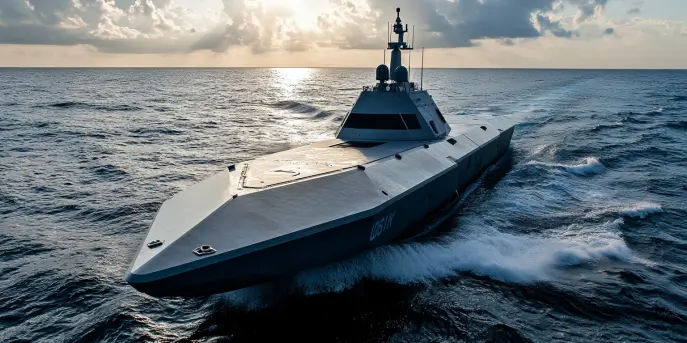
The U.S. Navy’s 2026 shipbuilding plan is more than a budget document; it’s a blueprint for how the fleet intends to fight, deter, and survive in an era of long-range missiles, undersea competition, and industrial strain. At its heart, the plan is about restoring balance between capacity, survivability, and readiness while keeping pace with rivals that are modernizing fast and thinking long-range.

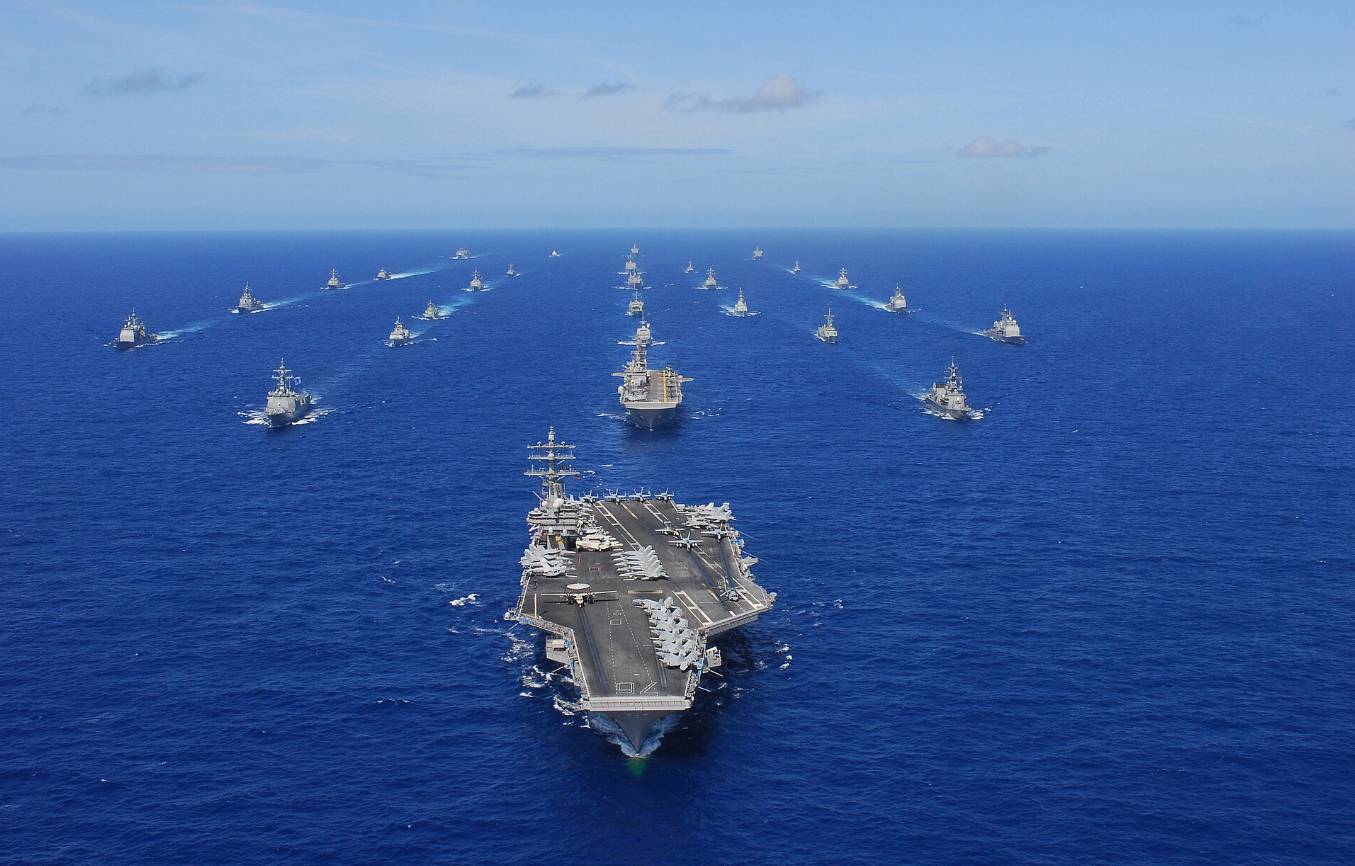
This is not just about adding hulls for the sake of numbers. It’s about building the right mix of ships to operate in contested waters, from the Western Pacific to the North Atlantic, while making sure the Navy can sustain combat power over time. The 2026 plan reflects a hard reality: in modern naval warfare, steel alone is not enough. You need sensors, networks, magazine depth, maintenance throughput, and a shipbuilding base that can actually deliver on schedule.
The Big Strategic Priorities
The plan appears centered on a handful of core priorities that are shaping every major decision. These priorities are where the real drama lives, because they reveal what the Navy thinks the next fight will look like.
1. Expanding Distributed Lethality
The Navy continues to move away from a few giant, exquisitely capable platforms carrying the burden alone. Instead, it wants a more distributed fleet that can launch weapons from more places, complicate enemy targeting, and absorb losses better. That means more emphasis on surface combatants, submarines, and smaller platforms that can contribute to the fight without being easy targets.
The engineering logic is elegant: if an adversary can’t concentrate fires on a few high-value units, then their anti-access strategy becomes much harder to execute. Distributed lethality is not a buzzword; it’s a force design philosophy with real implications for ship counts, weapon loads, and command-and-control architecture.
2. Prioritizing Undersea Dominance
If there is one domain where the United States still enjoys a major advantage, it is undersea warfare. The 2026 plan reinforces that edge by continuing to invest in attack submarines and the broader undersea industrial ecosystem. In a world where stealth, persistence, and surprise matter enormously, submarines remain among the most strategically valuable assets in the fleet.
The challenge is brutally practical: submarines are expensive, complex, and slow to build. That makes the industrial base almost as important as the boat itself. The plan’s undersea emphasis likely reflects a desire to preserve near-term deterrence while ensuring the next generation of submarines can be produced at meaningful scale.
3. Keeping the Amphibious Fleet Relevant
The Marine Corps’ shift toward distributed operations, expeditionary advanced base concepts, and sea denial missions has made amphibious ships strategically important in a new way. These vessels are no longer just troop taxis. They are floating launch pads for distributed forces, command nodes, and logistics connectors in contested littorals.
The 2026 shipbuilding plan likely keeps the amphibious fleet in focus because modern maritime conflict is not confined to open-ocean duels. The ability to move Marines, vehicles, sensors, and supplies into austere environments remains a major advantage. But the Navy is also under pressure to ensure these ships are survivable, available, and properly aligned with evolving Marine Corps concepts.
4. Investing in Logistics and Sealift Resilience
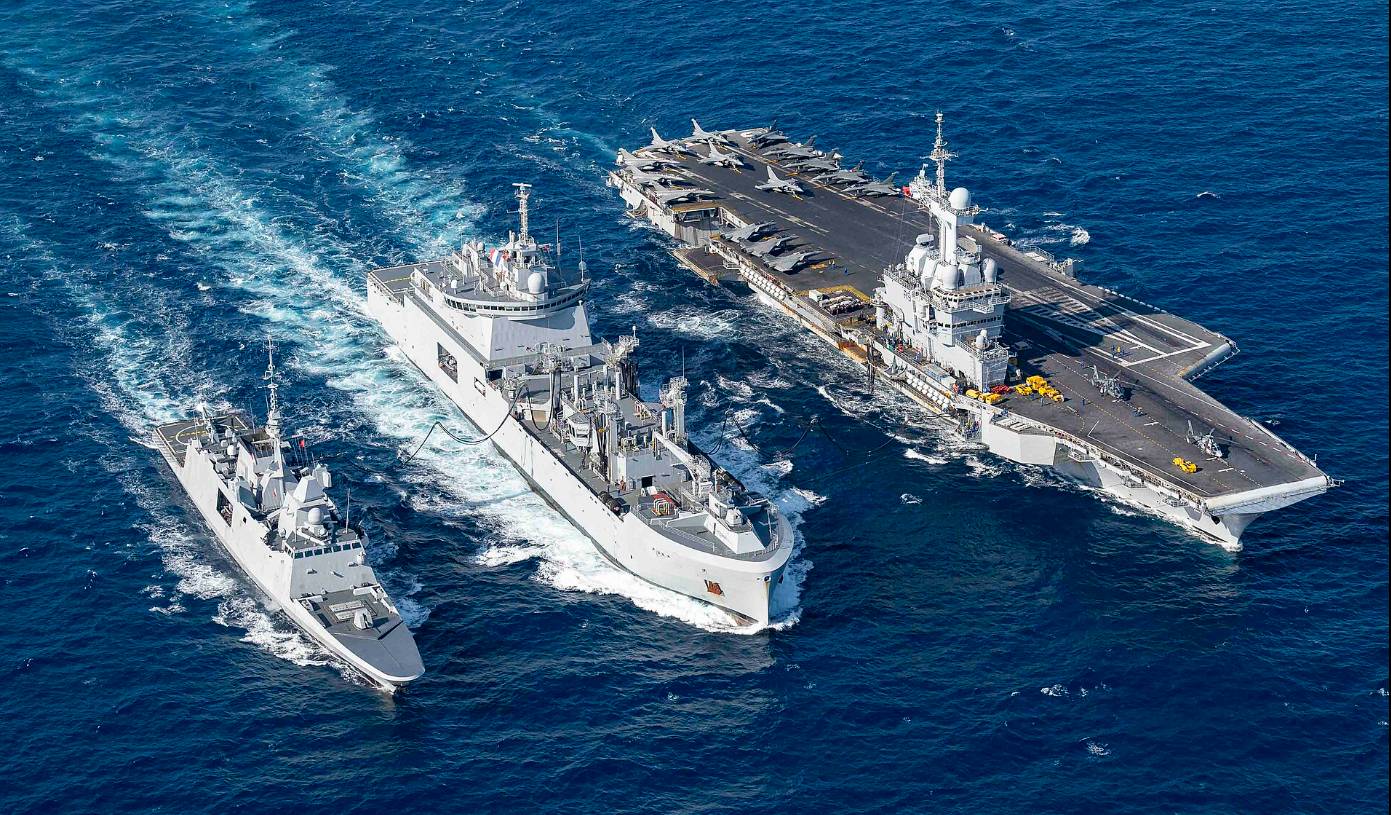
War at sea is not sustained by combatants alone. It depends on oilers, supply ships, and auxiliary vessels that keep the force fueled, armed, and moving. The 2026 plan underscores the importance of logistics ships because in a Pacific fight, distances are punishing and support vessels become prime targets.
This is one of the least glamorous parts of shipbuilding, but it may be one of the most decisive. A fleet with brilliant destroyers and submarines but insufficient replenishment capacity is a fleet that runs out of momentum. The Navy knows this, and the plan reflects a broader effort to harden the support backbone of the fleet.
5. Modernizing Surface Combatants for High-End Warfare
Surface combatants remain the workhorses of naval power projection, but they are being asked to do more in more dangerous conditions. The 2026 shipbuilding plan likely emphasizes destroyers, frigates, and future surface combatants that can survive in missile-saturated environments and integrate with the broader joint force.
The key engineering challenge is not just adding more missiles or radar power. It is balancing sensors, propulsion, electrical power, survivability, and growth margin. The Navy needs ships that can accept upgrades over decades, not just impressive specs on delivery day. That means the future surface fleet has to be built with an eye toward modularity and adaptability.
What the Plan Suggests About Fleet Composition
Although exact procurement details can vary, the strategic direction is clear: the Navy wants a fleet that is more distributed, more survivable, and more sustainable under combat pressure. That means a mix of large-deck capital ships, stealthy submarines, amphibious platforms, logistics vessels, and a renewed emphasis on smaller combatants that can operate forward.
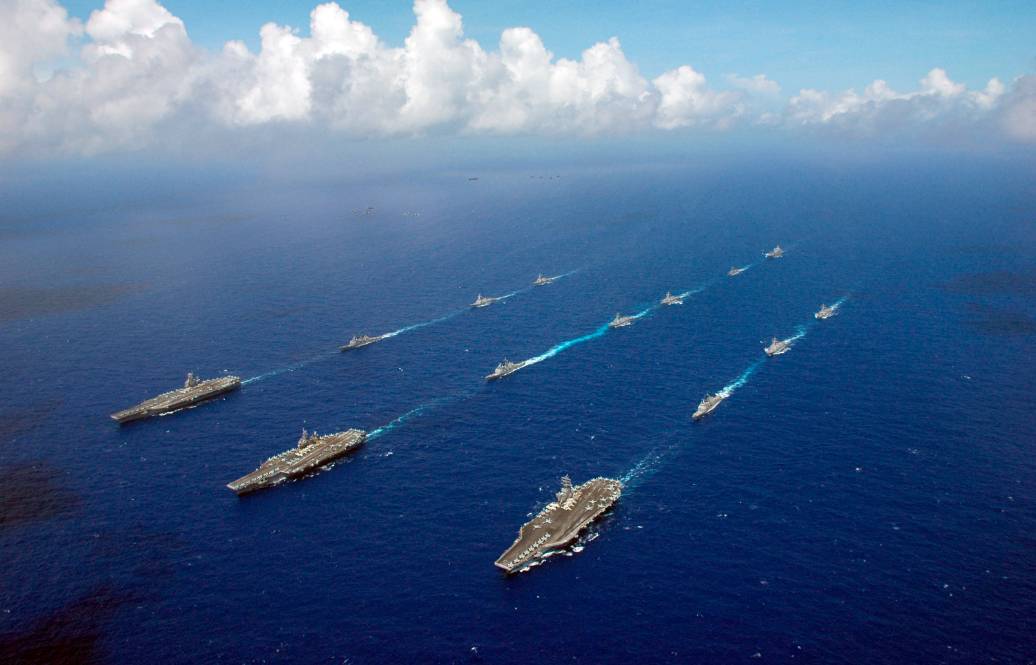
In practical terms, the plan signals that the Navy does not want to rely solely on a handful of huge platforms to carry the day. Aircraft carriers remain central to power projection, but they increasingly need a protective web of escorts, undersea assets, and support ships to function in a contested battlespace. The future fleet is not a single arrow; it is a layered system of systems.
Likely Composition Trends
- More emphasis on submarines as the stealth strike and intelligence backbone.
- Continued investment in destroyers and frigates for escort, air defense, and distributed strike.
- Selective support for amphibious ships tied to Marine Corps expeditionary concepts.
- Reinforcement of logistics and replenishment fleets to sustain operations at range.
- Exploration of unmanned and optionally manned systems as force multipliers.
The Unmanned Revolution Looms Large
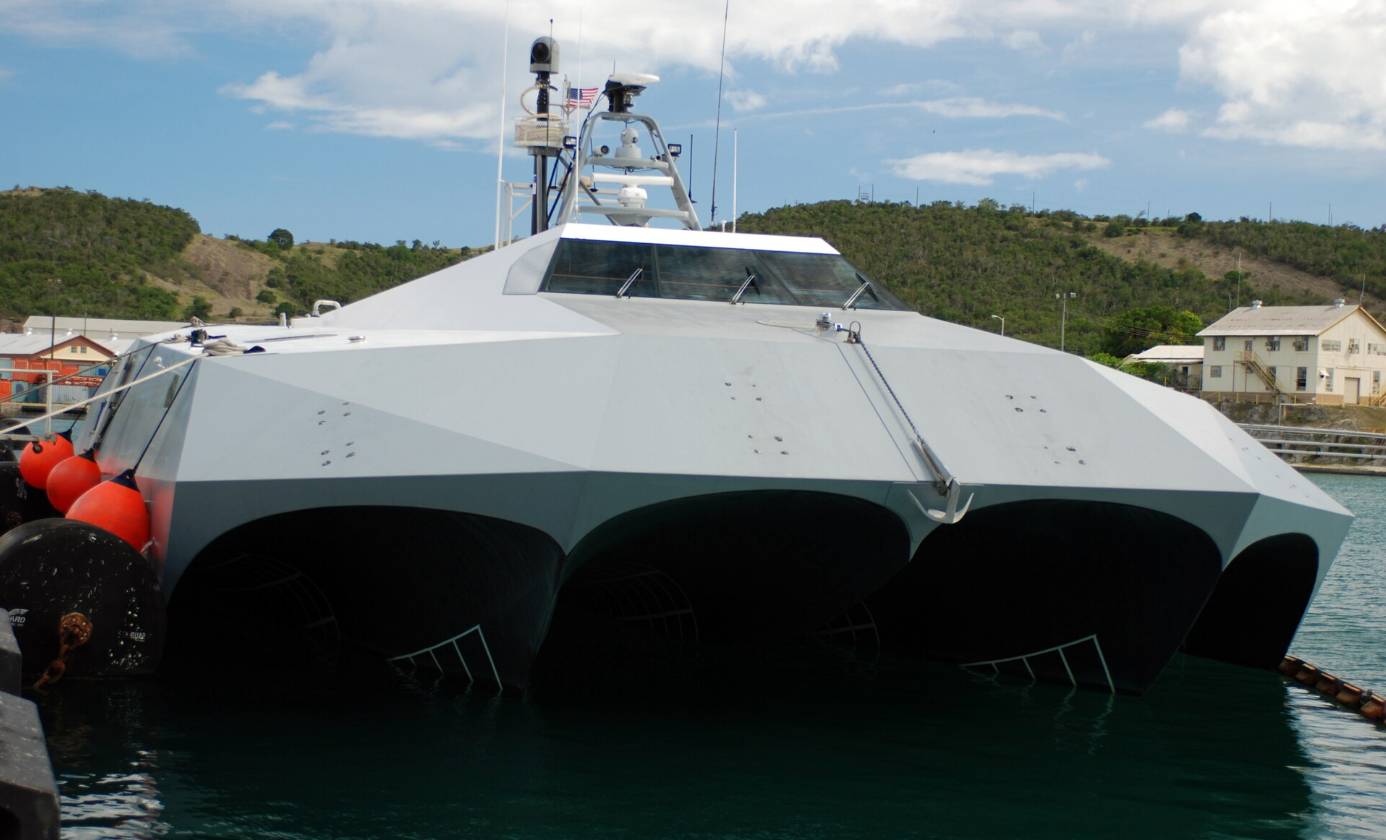
One of the most exciting dimensions of the shipbuilding discussion is the role of unmanned surface and undersea systems. Even when they are not fully replacing manned ships, they are reshaping how the Navy thinks about persistence, reconnaissance, deception, and distributed fires.
Unmanned platforms offer a seductive combination: lower risk to personnel, potentially lower procurement cost, and the ability to push sensors and weapons farther forward. But they also bring hard questions about reliability, command links, endurance, and rules of engagement. The 2026 plan may not solve all of that, but it almost certainly reflects a service determined to keep experimenting and fielding at scale where possible.
Industrial Base Reality Check
No shipbuilding plan exists in a vacuum. The biggest constraint may not be strategy but production capacity. Shipyards, suppliers, skilled labor, maintenance backlogs, and materials availability all shape what the Navy can actually buy. The 2026 plan therefore doubles as an industrial policy document, whether or not it says so explicitly.
That matters because even the most elegant fleet design fails if ships arrive late, over budget, or below expected readiness. The Navy’s challenge is to align ambitious force design with a shipbuilding enterprise that can deliver reliably. That means stable demand signals, workforce investment, supplier resilience, and realistic procurement pacing.
In a sense, the shipyard is part of the weapon system. A Navy that cannot build and maintain ships efficiently will struggle to deter adversaries who are fielding their own growing fleets.
Capabilities the Navy Needs Most
Beyond raw ship counts, the 2026 plan points to a set of capabilities that matter disproportionately in future conflict.
- Long-range strike to hit targets without closing into deadly envelopes.
- Integrated air and missile defense to protect high-value units and convoys.
- Quiet propulsion and advanced signatures management to reduce detectability.
- Robust combat data networks to connect sensors and shooters across domains.
- Magazine depth so ships can keep fighting after the first salvo.
- Forward logistics to keep distributed forces supplied and moving.
These are not isolated features. They work together. A destroyer with great sensors but poor networking is underutilized. A submarine with superb stealth but insufficient strike options is limited. A logistics ship without protection is vulnerable. The plan’s logic is about ecosystem design, not just platform design.
Quick Specs Snapshot: Major Fleet Priorities
| Priority Area | Operational Role | Why It Matters |
|---|---|---|
| Attack Submarines | Stealth strike, ISR, sea denial | Survivable and highly lethal in contested waters |
| Destroyers / Surface Combatants | Air defense, escort, strike, presence | Flexible multi-mission backbone of the fleet |
| Amphibious Ships | Marine transport, command, expeditionary ops | Enables distributed operations in littorals |
| Logistics Ships | Replenishment and sustainment | Keeps the fleet fueled, armed, and operational |
| Unmanned Systems | Recon, decoy, scouting, distributed sensing | Extends reach and reduces risk to crewed ships |
The Strategic Message to Rivals
The 2026 shipbuilding plan sends a clear signal: the U.S. Navy intends to stay relevant in high-end maritime warfare, not just patrol the oceans. That means building a fleet capable of surviving missile salvos, hunting submarines, protecting logistics lines, and projecting power across vast distances.
The message is not subtle. The Navy is preparing for a world in which maritime conflict is faster, more distributed, and more lethal than the post-Cold War era ever was. The response is a fleet that is less dependent on a few crown-jewel assets and more oriented toward layered resilience.
That is a fascinating shift. It is also a difficult one. The Navy has to buy the right ships, field them on time, and sustain them through long campaigns. If it succeeds, the 2026 plan could mark another step toward a fleet optimized for the realities of 21st-century naval combat.
Bottom line: the 2026 shipbuilding plan is about much more than numbers on a spreadsheet. It is a high-stakes bet on distributed power, undersea superiority, logistics endurance, and industrial recovery. For defense watchers, it is one of the most important indicators of where American sea power is headed next.