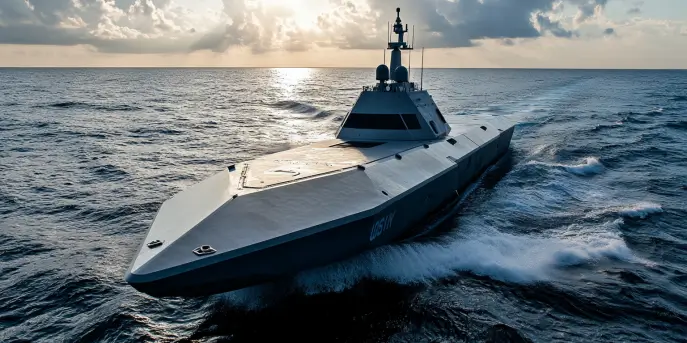


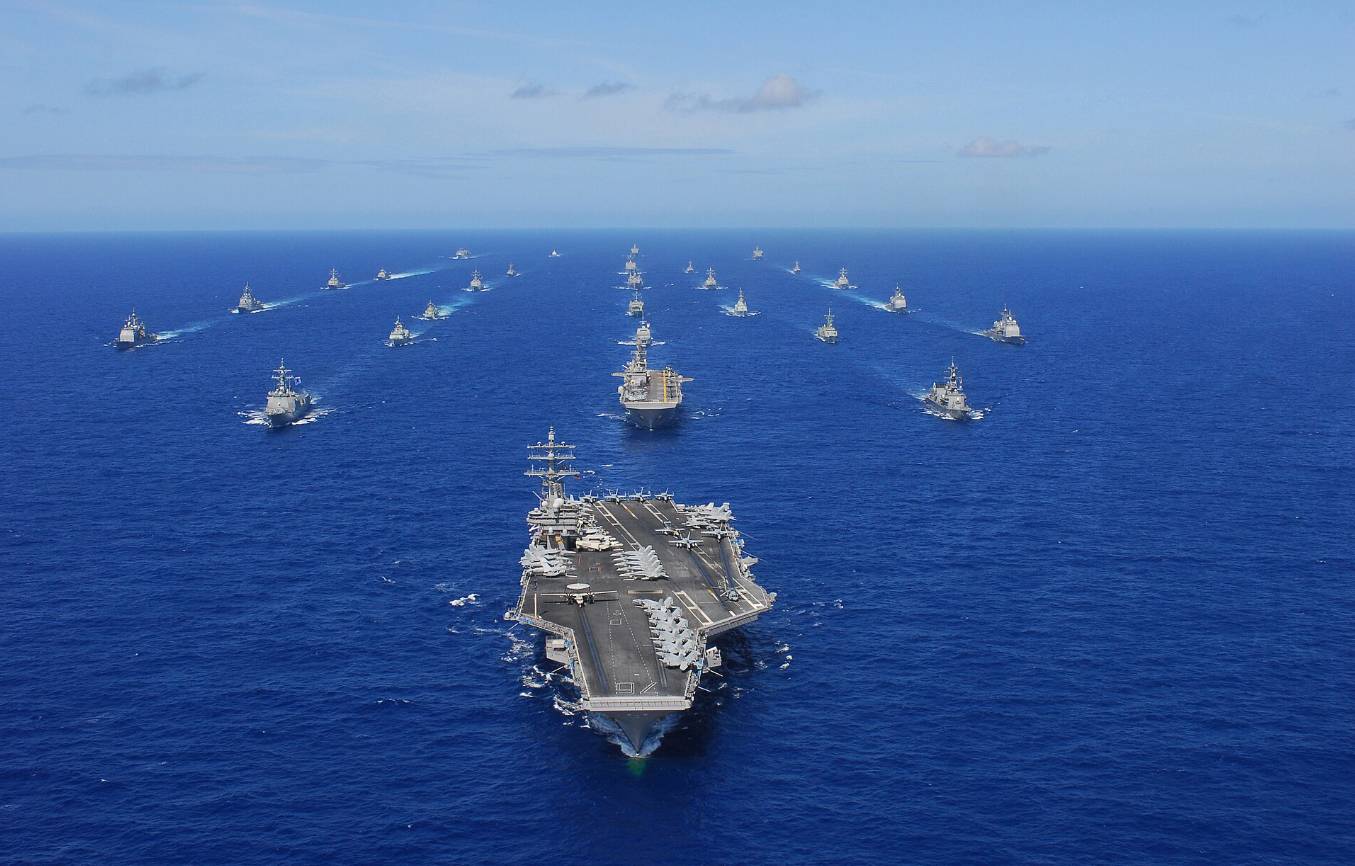
RIMPAC 2026 will again place the Pacific basin at the center of the maritime security world. Held off Hawaii and surrounding waters, the Rim of the Pacific exercise is the largest recurring international naval drill on the planet, drawing fleets, air arms, marines, and support elements from across the Indo-Pacific and beyond. More than a simple training event, RIMPAC has become a living laboratory for coalition warfare, a rehearsal space for sea control, humanitarian assistance, amphibious operations, anti-submarine warfare, missile defense, and the complex choreography required when many nations must fight, communicate, and sustain themselves together at sea.
You Might Also Like
A Pacific exercise with Cold War roots
RIMPAC was born in 1971, when the U.S. Navy sought a regular multilateral exercise capable of improving interoperability among maritime partners in the Pacific. Its origins reflected the strategic realities of the Cold War: the need to knit together allied navies spread across a vast ocean, and to do so in a theater where distance, logistics, and communications could be as decisive as firepower. In that sense, RIMPAC was never just a drill. It was a response to the same problem that has haunted Pacific naval warfare since the age of steam: how to project force across immense distances and sustain combat power far from home ports.
That challenge echoes through history. The Imperial Japanese Navy learned in the Pacific War that operational reach meant little without logistics and attrition resilience. The U.S. Navy in World War II turned fleet train support, underway replenishment, and carrier task force doctrine into instruments of victory across the Central Pacific. RIMPAC inherits that operational DNA, but adapts it for a world of guided missiles, submarines with air-independent endurance, networks of sensors, and the constant need to integrate allies with different platforms, doctrines, and languages.
What RIMPAC 2026 is designed to practice
Although every iteration differs in detail, the exercise typically spans a broad spectrum of maritime missions. Participants rehearse high-end combat tasks alongside security and relief operations, because modern naval power must be able to shift between deterrence and disaster response without losing tempo. In practical terms, that can include:
- Anti-submarine warfare in the vast undersea battlespace of the Pacific
- Air and missile defense against cruise missiles, aircraft, and unmanned threats
- Surface warfare and coordinated strike operations
- Amphibious landings and expeditionary maneuver
- Mine countermeasures and route clearance
- Maritime interdiction and boarding operations
- Humanitarian assistance and disaster relief after storms, earthquakes, or tsunamis
- Search and rescue and mass-casualty response
This blend is important. The Pacific is not only a potential battlespace; it is also a disaster-prone region where typhoons, volcanic activity, and tsunamis can demand rapid naval response. The same ships that practice strike warfare may later be called upon to deliver water, power, helicopters, engineers, and medical teams. That dual-use reality is one reason RIMPAC remains strategically relevant in an age when the boundaries between wartime preparation and peacetime cooperation are increasingly blurred.
The modern fleet at work
RIMPAC has always been as much about platform integration as about tactics. In the era of sail and cannon, fleet exercises tested line formation and signaling. Today, the equivalent challenge is how to make destroyers, submarines, maritime patrol aircraft, amphibious ships, unmanned systems, and command networks act as a coherent combat system. The exercise often showcases the evolution from legacy Cold War hardware to networked, precision-enabled maritime force.
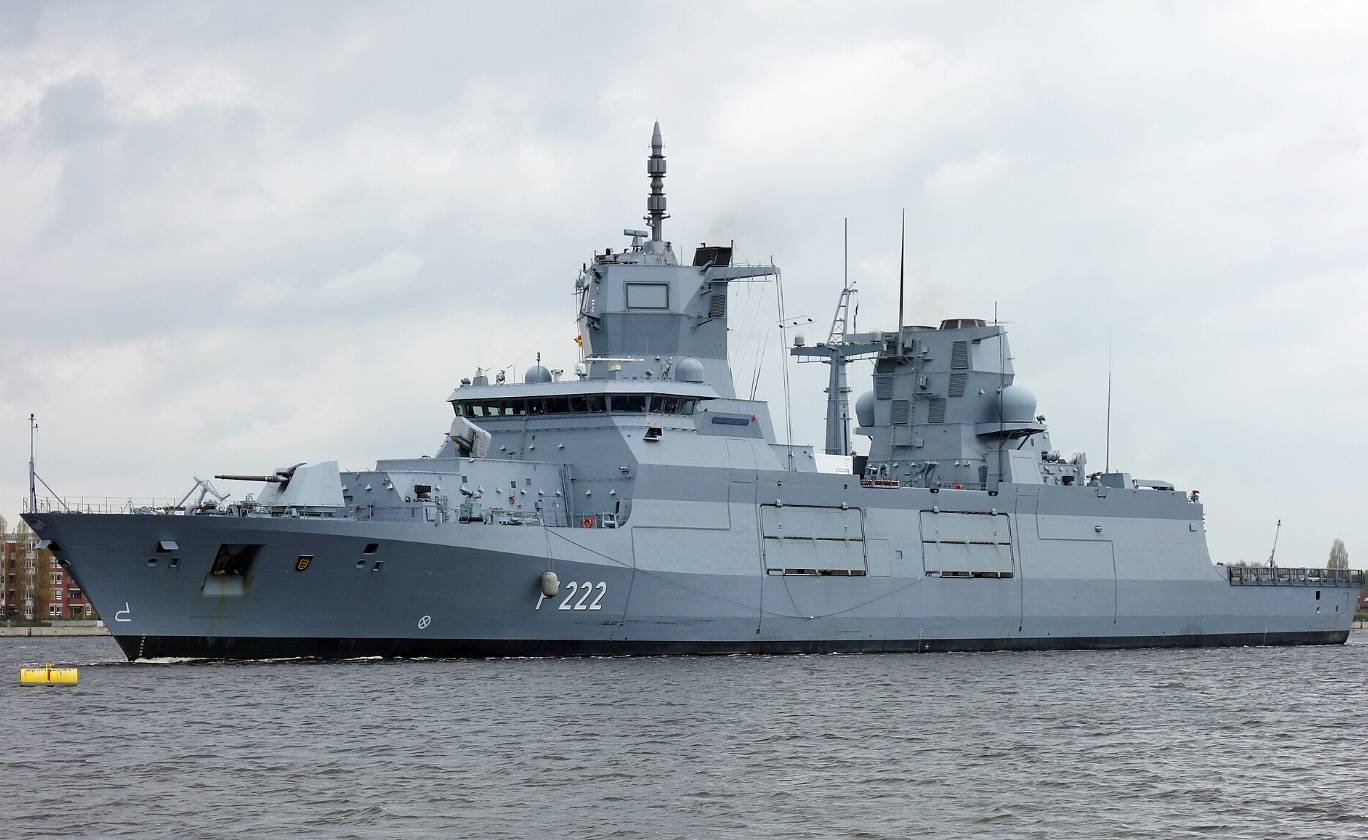
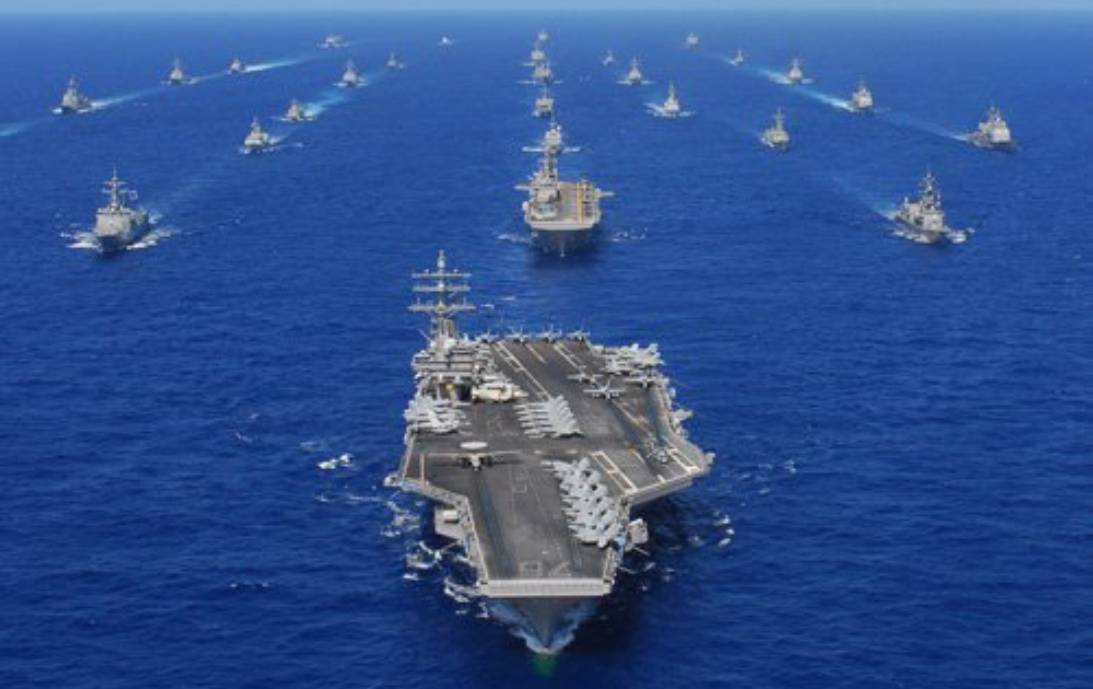
Participants commonly include U.S. carrier strike groups, amphibious ready groups, allied frigates and destroyers, submarines, patrol aircraft, and expeditionary units. The U.S. Navy and Marine Corps typically provide the largest contingent, but the defining feature is multinational participation. Australia, Japan, South Korea, Canada, the United Kingdom, France, New Zealand, and several Indo-Pacific partners have all played major roles in past editions, with other nations contributing observers, staff officers, and specialist detachments.
By 2026, observers will be watching for greater use of unmanned surface and underwater vehicles, distributed maritime operations concepts, and data-sharing systems that reduce the friction of coalition command. These are not merely technological add-ons. They reflect a broader doctrinal shift away from concentrated battle fleets and toward dispersed but mutually supporting formations, a response to the lethality of modern anti-ship missiles and long-range sensors.
Why the Pacific matters more than ever
The Pacific Ocean has always been a strategic paradox: enormous enough to punish any navy that underestimates distance, yet central enough to decide the fate of the Indo-Pacific balance. During the Second World War, the Pacific was the scene of carrier duels, amphibious island-hopping campaigns, and submarine commerce raiding. During the Cold War, it became a domain of containment, forward presence, and alliance assurance. In the 21st century, it is the maritime center of gravity for trade, energy flows, undersea cables, and military competition.
That makes RIMPAC a particularly useful test of deterrence. Large exercises signal capability and political cohesion. They show that allies can assemble, communicate, and maneuver across a broad theater. They also offer a controlled environment to examine the hard problems of coalition warfighting: rules of engagement, secure communications, logistics compatibility, sensor fusion, and the timing of combined strikes. In an era when naval conflict could involve anti-ship ballistic missiles, long-range air defense, cyber disruption, and contested space-based communications, such rehearsals are not optional.
RIMPAC and the evolution of naval warfare
Modern RIMPAC sits at the end of a long evolutionary line. The great fleet exercises of the 20th century focused on battleships, carriers, and submarine screens. The postwar era added anti-submarine warfare as a central discipline, reflecting the challenge posed by Soviet submarines in the North Atlantic and Pacific. Later decades brought precision-guided munitions, vertical launch systems, naval aviation integration, and amphibious strike groups. Today, the exercise increasingly reflects the realities of distributed lethality, sensor networks, and multi-domain operations.
That evolution mirrors the broader history of sea power. Alfred Thayer Mahan emphasized concentration, decisive battle, and command of the sea. The missile age complicated that formula by making concentration more dangerous. RIMPAC therefore becomes a kind of laboratory for modern Mahanism under missile conditions: not mass for its own sake, but the ability to mass effects while remaining survivable. The lessons drawn from the exercise influence fleet doctrine, procurement priorities, communications architecture, and alliance planning.
Representative platforms and capabilities
While the exact order of battle for RIMPAC 2026 will depend on final national commitments, the exercise usually features a wide array of ship classes and aviation assets. The following table summarizes common categories that may appear in a modern iteration of the drill.
| Platform / Capability | Typical Role in RIMPAC | Historical Lineage |
|---|---|---|
| Aircraft carriers | Sea control, air power projection, command hub | Fleet carrier operations refined in WWII |
| Destroyers and cruisers | Air defense, strike, maritime security | Gun destroyers evolved into missile combatants |
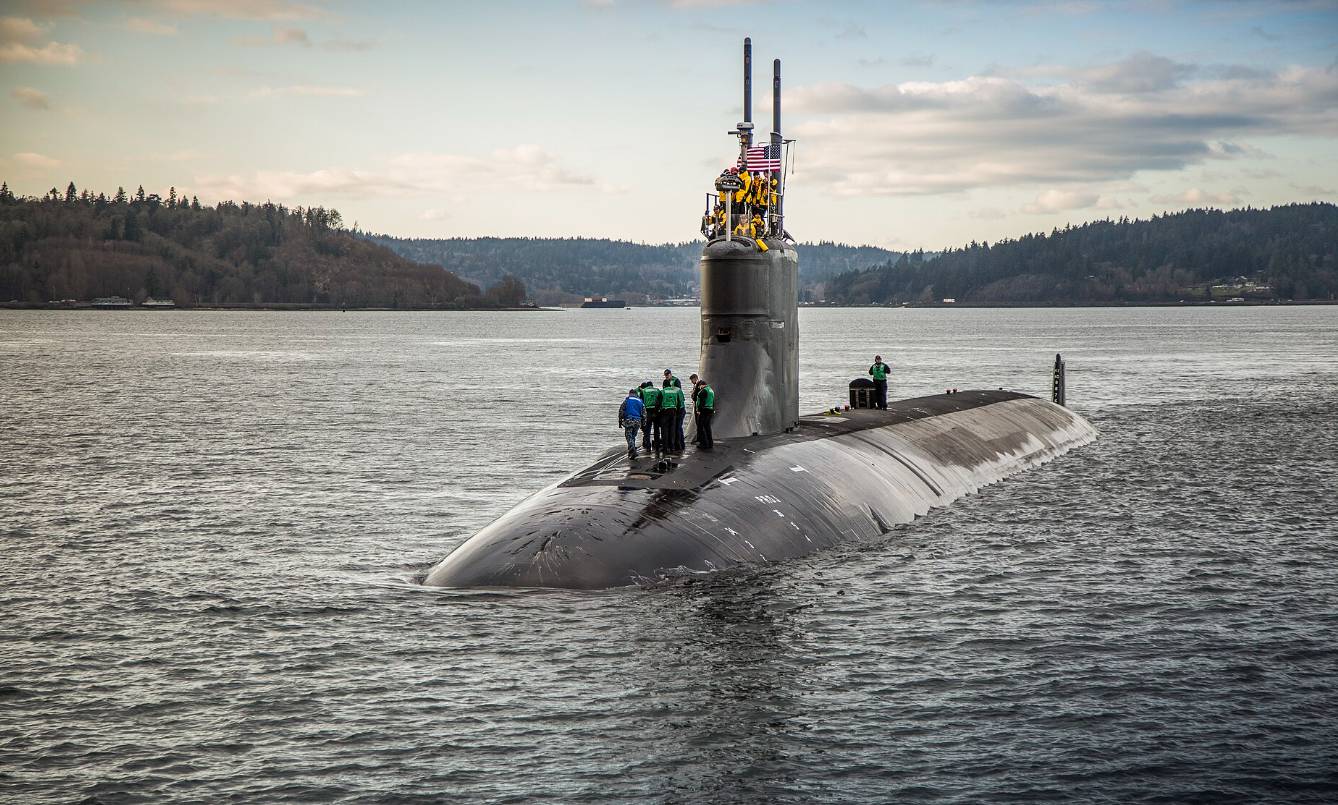
| Submarines | Undersea warfare, surveillance, denial | From diesel attack boats to nuclear and AIP designs |
| Amphibious assault ships | Marine lift, helicopter operations, command and control | Assault shipping developed from WWII amphibious campaigns |
| Maritime patrol aircraft | ASW, surface surveillance, search and rescue | Long-range reconnaissance aircraft evolved into sensor platforms |
| Unmanned systems | ISR, mine countermeasures, distributed sensing | Expansion of remote and autonomous naval scouting |
Humanitarian operations remain central
One of the most distinctive features of RIMPAC is that it does not treat disaster relief as an afterthought. In the Pacific, a navy is often the fastest way to move heavy lift, medical support, aviation, and fuel to an island or coastal region struck by catastrophe. That is why humanitarian assistance and disaster relief scenarios occupy such an important place in the exercise schedule. They are not merely politically useful; they are operationally realistic.
Navies that can coordinate helicopter-borne evacuation, water purification, port clearance, and command-and-control in a disaster environment are also better prepared for the confusion of combat. The skills overlap. Communication under stress, rapid assessment, logistics distribution, and joint medical response are all transferable competencies. In historical terms, this is the modern equivalent of fleets serving as mobile sovereign power, able to impose order, deliver relief, and sustain operations where land infrastructure has failed.
Coalition complexity in the 21st century
If past naval wars were often decided by industrial capacity and gunnery, future naval competition may hinge on alliances. RIMPAC 2026 therefore matters because it tests the machinery of coalition warfare in peacetime conditions. Can a Japanese destroyer share targeting data with an American air defense ship? Can an Australian frigate integrate into a U.S.-led strike package? Can an allied submarine, patrol aircraft, and unmanned sensor network work from a common operational picture? The answer to these questions is increasingly decisive.
Exercises of this scale also expose friction. Different radio standards, encryption systems, replenishment procedures, maintenance philosophies, and tactical doctrines can all slow a force down. The value of RIMPAC is that it allows those frictions to be identified before a crisis. In the Pacific, where distances magnify every delay, interoperability is not a bureaucratic virtue but a combat requirement.
What to watch for in 2026
By the time RIMPAC 2026 begins, several trends will likely shape the exercise narrative:
- Greater unmanned integration across sea, air, and undersea domains
- More emphasis on distributed command and control to reduce vulnerability to missile attack
- Expanded missile defense drills as regional arsenals grow more sophisticated
- Stronger focus on logistics resilience, including fuel, ammunition, and repair at sea
- Improved coalition data links and shared maritime domain awareness
- Continued humanitarian response rehearsals reflecting Pacific disaster risk
These themes reveal how the exercise has changed from a Cold War coordination event into a rehearsal for high-end maritime competition. The ships may be newer, the sensors more advanced, and the networks far denser, but the basic purpose remains familiar: teach many navies to act as one when the sea itself becomes contested.
RIMPAC 2026 will therefore be more than a headline-sized display of flags and hull numbers. It will be a practical test of how the Pacific democracies and partners intend to preserve freedom of navigation, deter aggression, and respond to crisis across the world’s largest ocean. In that sense, RIMPAC is both a snapshot of the present and a rehearsal for the future — a reminder that sea power has always been about more than ships alone. It is about alliances, endurance, logistics, and the ability to turn distance into advantage rather than vulnerability.