

The United States is moving from concept to capability with Conventional Prompt Strike (CPS), a long-range hypersonic weapon meant to give commanders a fast, survivable, non-nuclear strike option against time-sensitive and heavily defended targets. In practical terms, CPS is about shrinking the enemy’s decision window. If a target can move, hide, harden, or launch quickly, then speed matters as much as range and accuracy.
You Might Also Like
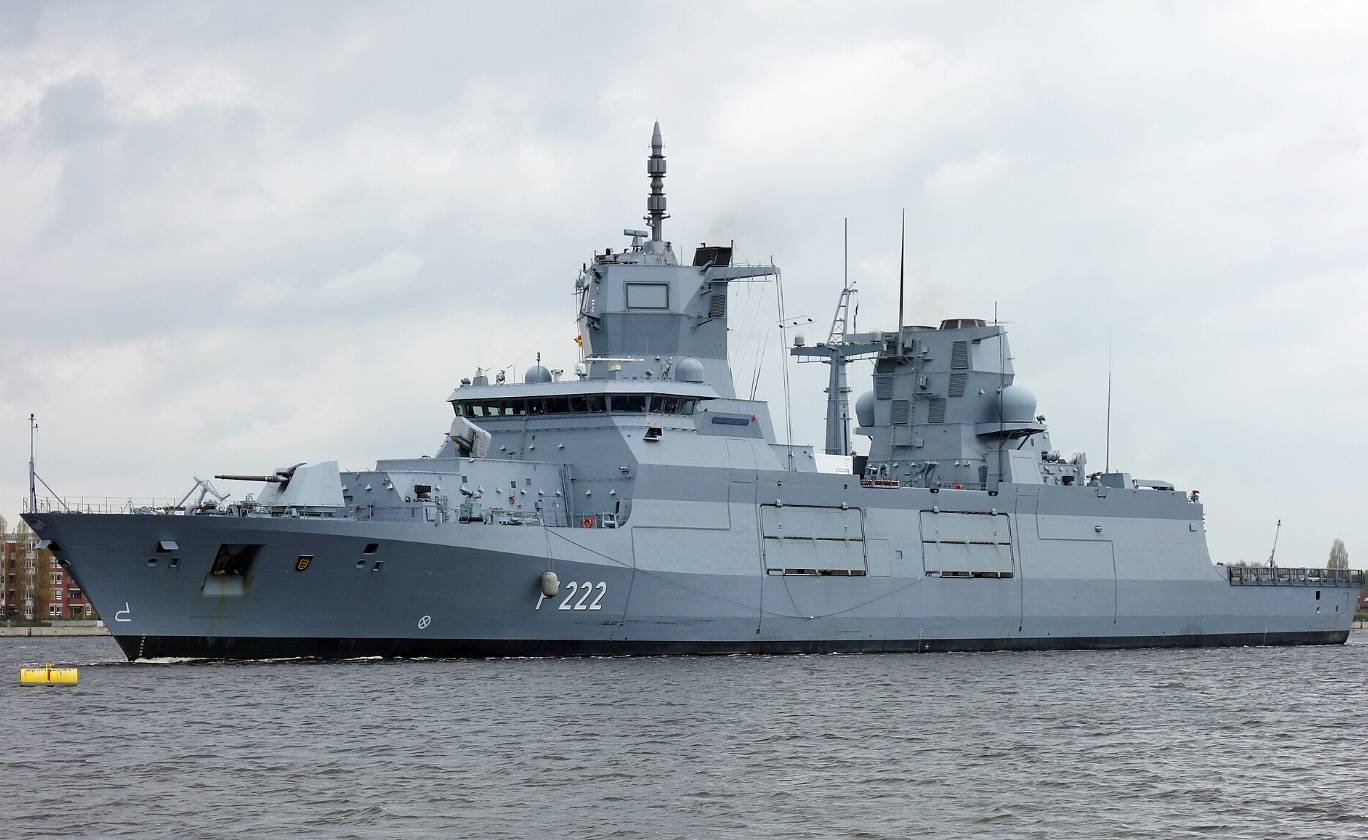
This is not a science fair project. It is a fleet and joint-force weapon designed for the real world, where ships maneuver, sensors are contested, and the other side is actively trying to kill the launcher before it can shoot. The deployment of CPS marks a major step in how the U.S. plans to hold critical targets at risk without crossing the nuclear threshold.
What CPS is meant to do
Conventional Prompt Strike is built to deliver a conventional warhead at hypersonic speed over very long distances. The point is not just raw velocity. The combination of range, speed, and a maneuvering glide body makes it harder to intercept and harder to predict than older cruise or ballistic strike options.
From a field perspective, the key advantage is simple: by the time an adversary realizes they are targeted, the weapon is already well on its way. That reduces the chance a target can relocate, disperse, or bring additional defenses online. In a Pacific fight, that matters a great deal. Distance is enormous, and reaction time is often measured in minutes, not hours.
Defense planners see CPS as useful against targets such as:
- Mobile missile launchers
- Hardened command and control nodes
- Air defense batteries
- Surface combatants
- High-value logistics or sensor sites
The weapon is not a silver bullet. No strike system is. But it gives commanders another tool for the kind of target set that is increasingly difficult to service with legacy munitions alone.
How the system works
CPS uses a boost-glide concept. A booster launches the weapon to high altitude and extreme speed, then a hypersonic glide vehicle separates and continues toward the target while maneuvering through the atmosphere. That maneuvering is part of the challenge for defenders. Traditional ballistic intercept solutions are built around more predictable trajectories. A glide vehicle can change course and complicate the defender’s fire-control picture.
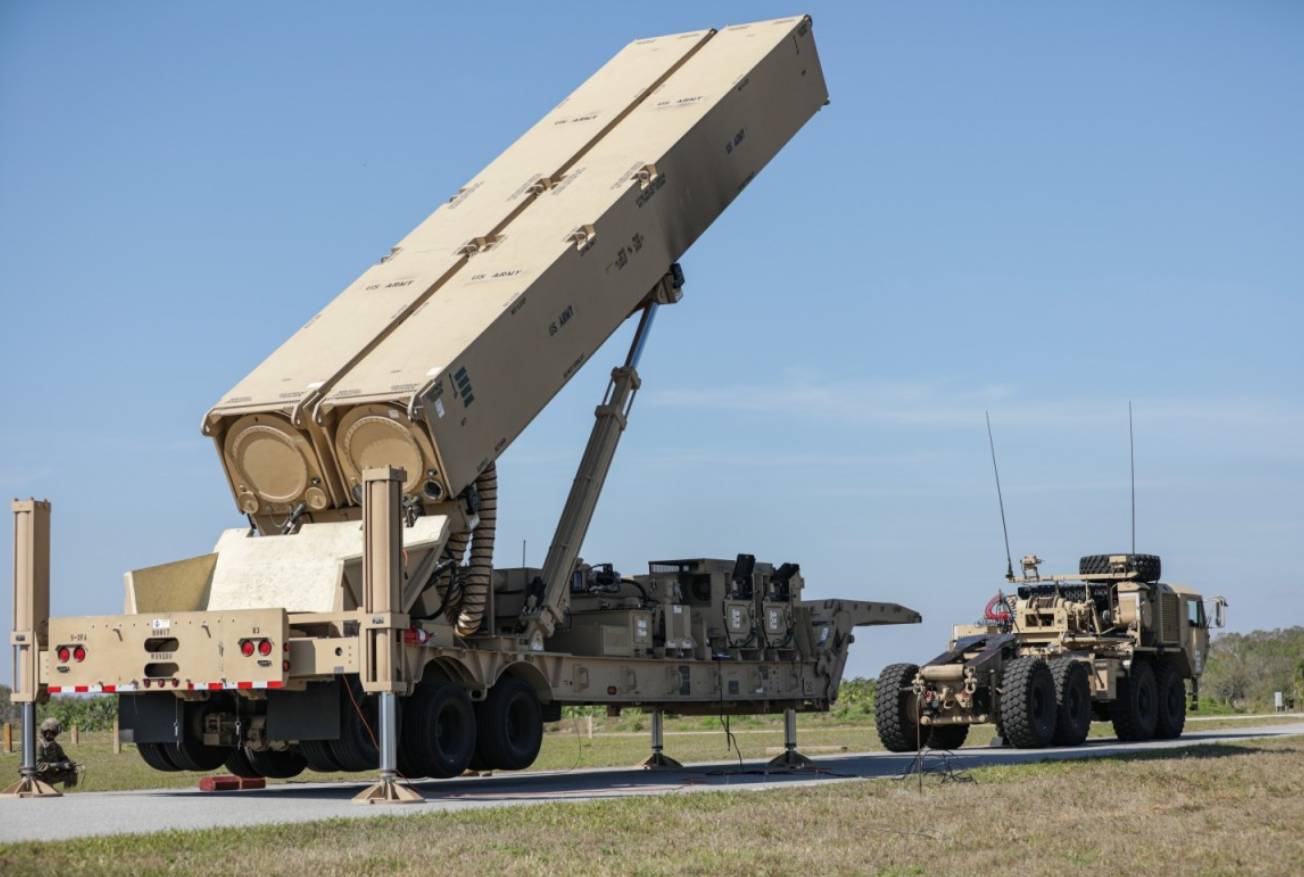
The exact operational details are understandably limited, but the broad architecture is known. The Navy and Army have both been tied to hypersonic development efforts, and CPS has been associated with sea-based launch platforms first, with later integration across other domains as the program matures. The Navy’s surface and undersea launch ambitions reflect a hard truth: survivability is easier when the shooter is mobile and can operate from multiple axes.
For the operator, the useful part is not the engineering buzzword. It is the combat effect. A ship that can launch a prompt, long-range, precision conventional weapon changes the opponent’s planning. They must protect more things, move more assets, and maintain higher alert for longer periods. That taxes air defenses, intelligence collection, and command bandwidth.
Deployment means something different in the real world
When defense officials say a system is being deployed, that does not mean every unit gets it tomorrow. It usually means the capability is crossing the line from testing into fielding, with initial operational capacity, training pipelines, maintenance procedures, and safety rules all being built around it. That is where the hard work begins.
In the fleet, any new missile system must survive a brutal set of questions:
- Can the launcher be kept ready at sea?
- Can crews load, store, and handle the weapon safely?
- Can the fire-control chain survive jamming and cyber pressure?
- Can the platform shoot and then live long enough to shoot again?
Those are not theoretical concerns. A weapon can be impressive on a test range and still be operationally awkward if it takes too much time, too much maintenance, or too much specialized support. The success of CPS will depend on whether it becomes a weapon commanders trust under combat pressure, not just one that performs in demonstrations.
Why hypersonics matter now
Hypersonic weapons are often discussed as though speed alone wins wars. It does not. Speed matters because modern defenses are layered and because the battlefield is saturated with sensors. An adversary can detect, track, and distribute data quickly. If the strike system is slow, the target gets a chance to move, camouflage, or retaliate.
CPS compresses the timeline. That makes it especially relevant in a maritime theater where a strike package might need to hit a ship, a coastal battery, or a command node before the enemy can reposition. It also supports a broader U.S. strategy of distributed operations, where smaller, more dispersed units need long-range weapons to create effects without massing in one vulnerable area.
There is also a deterrence aspect. A credible conventional prompt strike option can provide national leaders with a non-nuclear response to urgent aggression. That matters in escalation management. If the only available answers are slow conventional attack or nuclear signaling, policymakers have fewer options. CPS expands the menu.
Known specifications
Some details remain classified or are still changing as the program matures, but the commonly discussed characteristics are outlined below.
| Specification | Details |
|---|---|
| Weapon type | Conventional hypersonic strike system |
| Concept of operation | Boost-glide, maneuvering hypersonic delivery |
| Warhead | Conventional |
| Primary mission | Long-range prompt strike against time-sensitive, high-value targets |
| Launch platform | Initially associated with naval platforms, with future joint integration potential |
| Speed | Hypersonic, Mach 5 and above |
| Range | Long-range, exact figures not publicly confirmed |
| Guidance | Precision guidance, details not fully public |
What makes it difficult to defend against
Defending against CPS is not just a missile problem. It is an entire kill-chain problem. To stop a hypersonic strike, a defender has to detect it early, classify it quickly, maintain track quality, cue the right interceptor, and engage under a very short timeline. Each step creates friction.
Hypersonic glide vehicles are especially troublesome because they fly lower than classic ballistic arcs and can maneuver. That means the defender’s radar horizon, sensor coverage, and command-and-control network become critical. If any one piece is weak, the whole defense degrades.
In practice, this pushes adversaries toward a layered solution: better space-based sensors, more resilient radar networks, faster battle management, and interceptors designed specifically for hypersonic threats. That is expensive. It also takes time. For the moment, CPS helps tilt the balance toward the attacker.
Strategic impact on the fleet
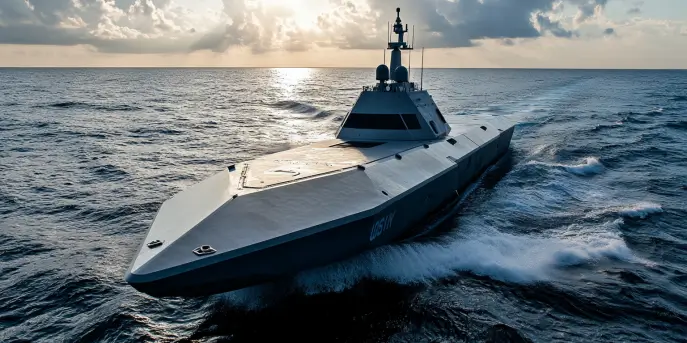
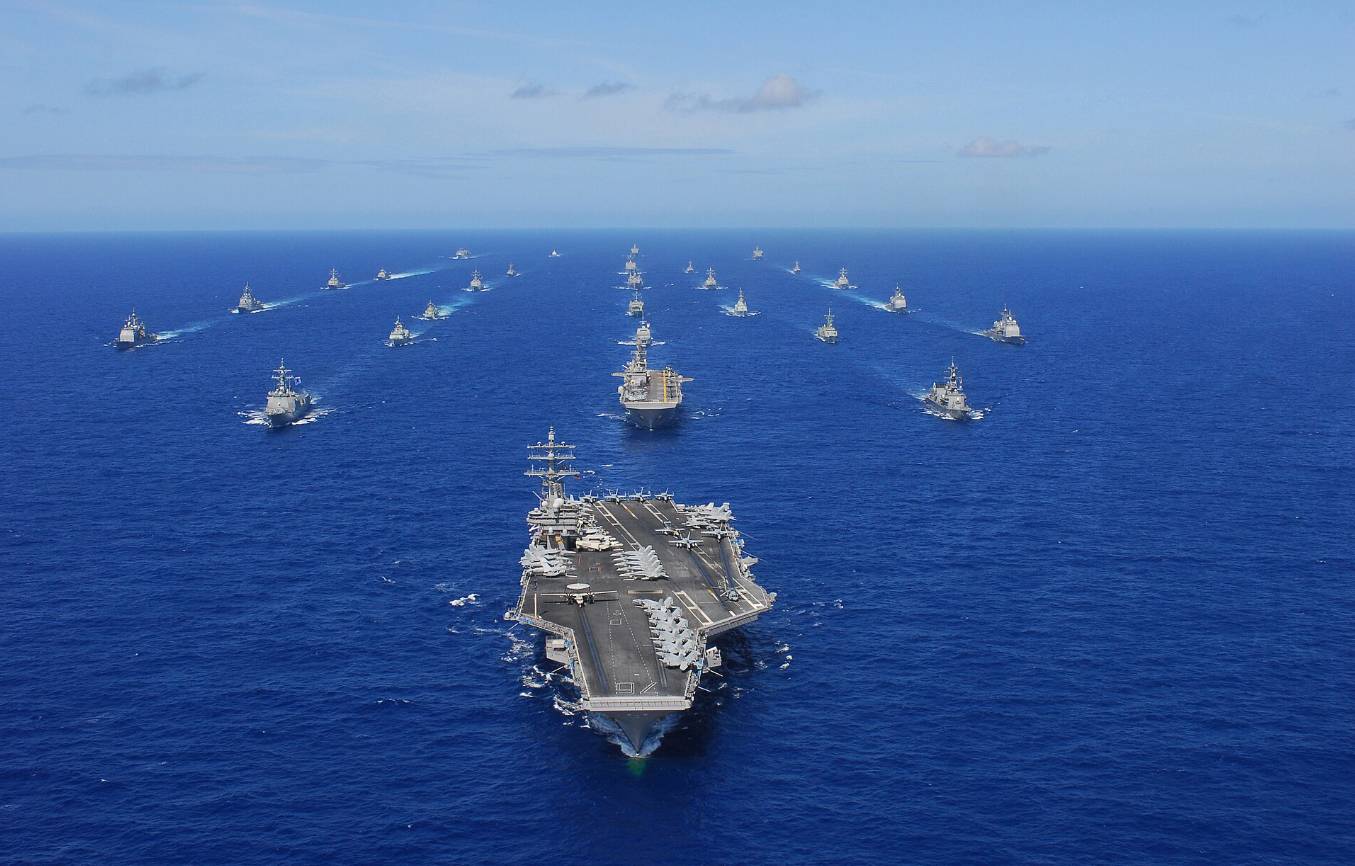
For the Navy, a weapon like CPS changes how surface combatants and submarines can be used. A destroyer or submarine armed with long-range prompt strike capability is no longer only a defensive or sea-control asset. It becomes a strategic strike node. That forces an enemy to treat even a dispersed U.S. maritime force as a serious land-attack threat.
That shift cuts both ways. The platforms carrying CPS become higher-value targets. They will need better survivability, better deception, and better network support. A weapon this valuable makes the launcher more important, which means the fleet has to think harder about emissions control, route planning, escort, and signature management.
There is a reason seasoned operators care about those details. In combat, the side that can find and fix the launcher often gets the first meaningful shot. CPS gives the U.S. a strong offensive edge, but only if the platform survives long enough to use it.
What to watch next
The most important questions now are not whether hypersonic weapons are real. They are. The questions are about scale, reliability, and integration:
- How quickly can CPS be fielded across additional ships or platforms?
- How mature is the command-and-control network that will cue the weapon?
- Will the system prove reliable in operational conditions, not just tests?
- Can the U.S. build enough inventory to matter in a sustained fight?
- How will adversaries adapt their defenses and dispersal plans?
If the answers trend in the right direction, CPS could become one of the most consequential non-nuclear strike tools the United States has fielded in decades. If production remains limited or integration proves cumbersome, the system may be impressive but scarce, which is a familiar problem in advanced weapons programs.
Either way, the deployment of Conventional Prompt Strike is a signal. The U.S. is preparing for a battlefield where distance, speed, and survivability decide who gets to act first. In that kind of fight, the side that can hit fast and hard without warning gains more than tactical advantage. It gains options.
In modern warfare, options are power.