

When a major infrastructure project breaks ground, the real stars are often the machines that make the impossible look routine. Massive excavators biting into rock, articulated dump trucks hauling mountains of earth, crawler cranes hoisting steel into place, and concrete machinery turning raw materials into highways, bridges, tunnels, and ports: this is where heavy engineering vehicles become the backbone of national-scale construction.



These platforms are not just bigger versions of ordinary construction equipment. They are purpose-built systems engineered for brutal duty cycles, extreme terrain, high payloads, and relentless uptime. In a large-scale infrastructure project, every minute matters, and every machine must deliver power, precision, and endurance. That is where the engineering gets deliciously interesting.
Why Heavy Engineering Vehicles Matter
Large infrastructure projects live or die by logistics. Before a bridge can rise or a rail corridor can be laid, the site has to be cleared, graded, excavated, compacted, lifted, and built up again with exacting precision. Heavy engineering vehicles are the muscle that transforms design drawings into physical reality.
What makes them so essential is their ability to move vast volumes of material quickly and safely. Instead of relying on hundreds of smaller machines, modern megaprojects deploy high-capacity platforms that maximize productivity while reducing labor bottlenecks. The result is a faster build schedule, better consistency, and a much more manageable site operation.
The Core Fleet: Machines That Do the Heavy Lifting
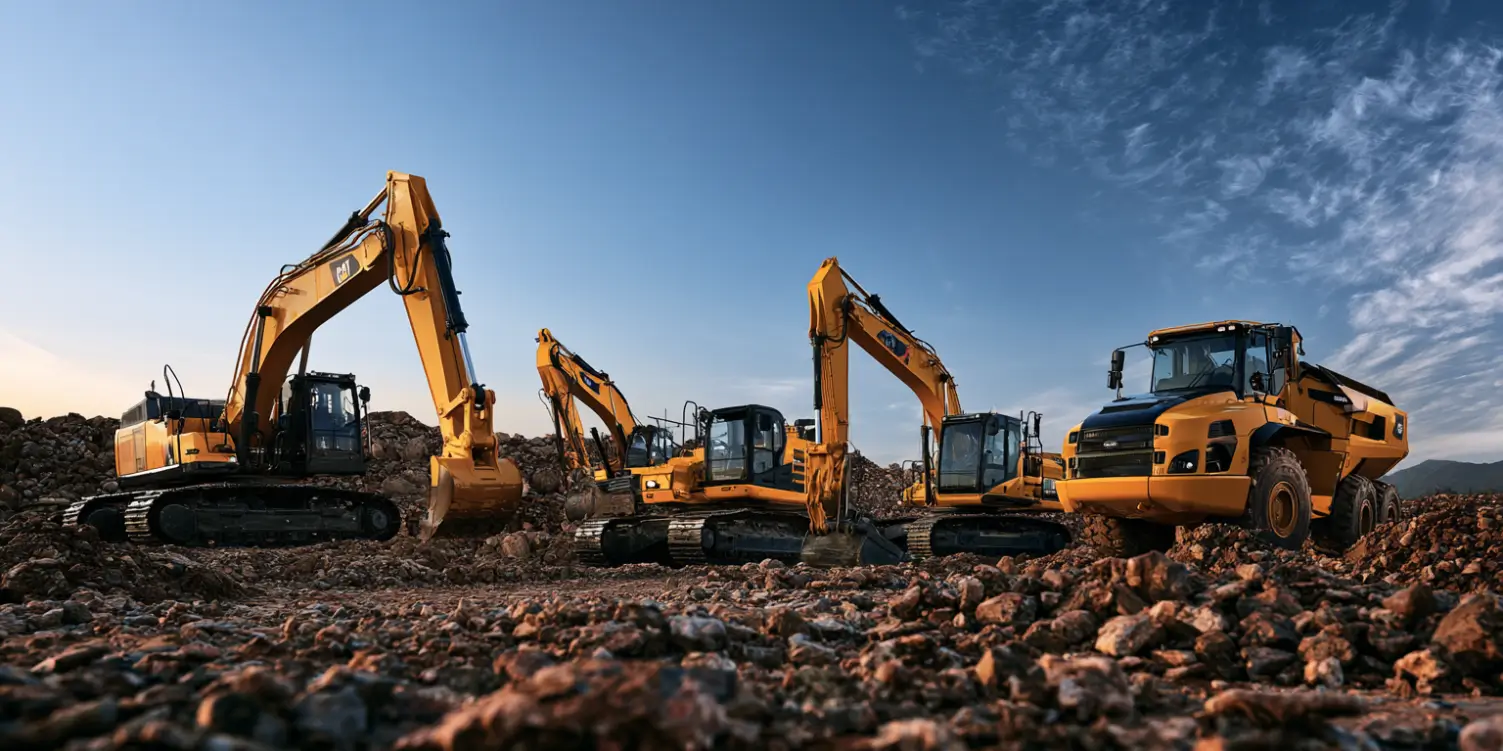
Every large-scale project tends to revolve around a familiar but highly specialized fleet. Each vehicle type has a distinct role, and the best projects sequence them like instruments in an orchestra.
Excavators
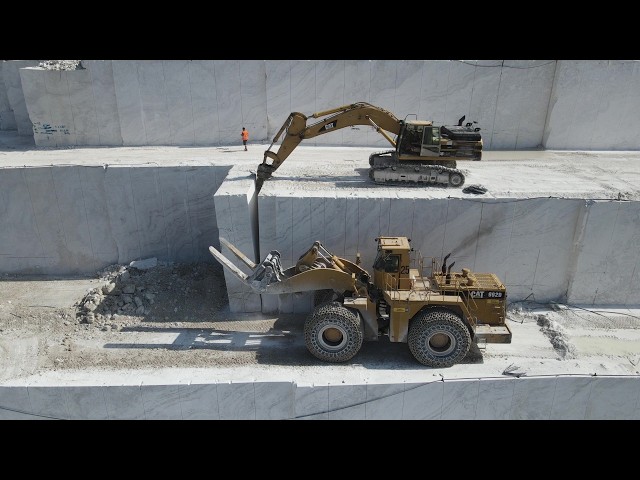
Excavators are the Swiss Army knives of the heavy engineering world. From trenching and foundation work to demolition and rock removal, their versatility is unmatched. Modern large excavators can be fitted with hydraulic breakers, grapples, buckets, augers, and shears, turning one machine into a multi-role workhorse.
Key strengths include:
- High breakout force for digging in compact soil and fractured rock
- Advanced hydraulic control for precise movements
- Long reach configurations for deep excavation and slope work
Articulated Dump Trucks
Once the material is loosened, it has to move. That is where articulated dump trucks shine. Built for rough ground and heavy loads, these vehicles are designed to shuttle soil, aggregate, and spoil across unstable terrain without losing traction. Their jointed chassis allows them to pivot through mud, uneven ground, and tight construction corridors with surprising agility for something so massive.
Crawler Bulldozers
Bulldozers are the shape-shifters of the site. They spread fill, push debris, strip topsoil, and help establish grades with incredible force. Crawler dozers, with their low ground pressure and robust tracks, excel where wheeled machines would bog down. Add laser or GPS grade control systems, and they can shape terrain with near-surgical accuracy.
Motor Graders
When the rough work is done, motor graders step in to refine the surface. These machines are essential for roadbeds, runway bases, and any project that demands tight tolerances over long distances. Their long blades and sophisticated steering systems allow operators to sculpt the ground into a highly consistent finish.
Crawler Cranes
For lifting structural steel, precast elements, bridge segments, and heavy modules, crawler cranes are hard to beat. Their tracked undercarriage provides stability on soft or uneven ground, while their lattice booms can reach impressive heights and radii. In mega-project environments, crawler cranes often become the visual icons of progress.
Compactors and Rollers
Compaction is one of the most underappreciated but critical steps in infrastructure construction. Without proper compaction, roads rut, embankments settle, and foundations weaken. Heavy rollers and compactors deliver the density required to make fill material stable and durable over decades.
Engineering Power Meets Digital Intelligence
The modern heavy engineering vehicle is no longer just a hunk of steel with a diesel engine. It is increasingly a digital platform. Telematics, machine guidance, automated grade systems, payload monitoring, and predictive maintenance tools are now standard features on many high-end machines. That shift has changed the game.
GPS and machine control systems allow operators to follow digital terrain models with far greater precision than traditional methods. Instead of repeated survey checks and manual stakeouts, machines can work directly to design elevation. This reduces rework, improves fuel efficiency, and helps ensure that expensive materials are placed correctly the first time.
Telematics also gives project managers real-time visibility into machine health and utilization. Fuel burn, idle time, fault codes, service intervals, and location data can all be tracked. For a project running dozens or hundreds of machines, that kind of insight is pure gold. It means fewer surprises, less downtime, and better coordination across the site.
Powertrains Built for Punishment
The powertrain of a heavy engineering vehicle has a rough life. It must deliver torque at low speeds, survive dusty environments, and handle repeated shock loads over long operating hours. Diesel engines remain the dominant choice because of their durability and fuel efficiency under load, though hybrid and electrified systems are increasingly appearing in specialized applications.
Transmissions, hydraulic circuits, final drives, and cooling systems are all engineered around one central mission: keep the machine working under stress. Thermal management is especially important. Infrastructure sites can expose machines to heat, dust, vibration, and long idle periods. A robust cooling package and well-designed filtration system can make the difference between a productive day and a costly breakdown.
Operator Skill Still Matters
Even with automation and digital assistance, the human factor remains decisive. A highly skilled operator can improve cycle times, reduce fuel consumption, and minimize wear on the machine. In complex projects, operators must work in tight coordination with survey teams, haul truck drivers, crane crews, and site supervisors.
That coordination becomes even more important when multiple machines operate in confined zones. Safety protocols, radio discipline, exclusion zones, and planned traffic flow are essential. The sheer size and power of these vehicles means that a moment’s lapse can have serious consequences.
Logistics, Maintenance, and Uptime
On a massive infrastructure site, uptime is everything. A single critical machine down for maintenance can ripple across the entire project. That is why support infrastructure is nearly as important as the machines themselves.
- On-site maintenance bays keep repair times short
- Fuel and lubrication logistics ensure uninterrupted operations
- Spare parts inventory reduces delays caused by waiting on shipments
- Condition monitoring helps identify failures before they become catastrophic
Some projects employ fleet-management teams that treat the equipment pool like a tactical asset package. Machines are reassigned based on site phase, soil conditions, and production targets. When earthmoving winds down, lifting and finishing equipment take over. The fleet evolves as the project advances.
Environmental Pressures and Cleaner Solutions
Large-scale construction does not happen in a vacuum. Air quality, emissions, noise, and fuel consumption are major concerns, especially near populated areas. Manufacturers are responding with cleaner diesel engines, alternative fuels, hybrid drivetrains, and electrified compact machines.
Some projects also use advanced site planning to reduce unnecessary machine travel, while others deploy smart idling controls and eco modes to cut emissions. The engineering challenge is simple to state and hard to solve: deliver maximum productivity with the smallest possible environmental footprint.
The Strategic Value of Massive Construction Capacity
Heavy engineering vehicles are more than tools; they are force multipliers for national development. They enable new roads, power plants, dams, airports, rail systems, industrial zones, and flood defenses. In practical terms, they compress years of manual labor into months of mechanized progress.
That strategic value becomes obvious when a project is on a tight timeline or operating in difficult terrain. In those conditions, the right machine mix can determine whether a project finishes ahead of schedule or stumbles under delays. The fleet is not just supporting the project; it is the project’s engine.