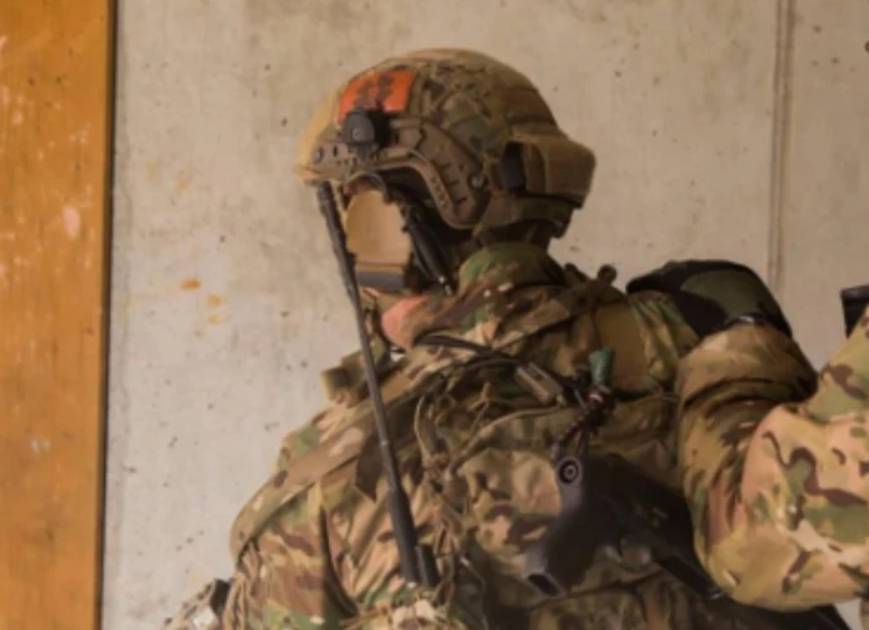
The modern combat helmet sits at the intersection of survivability, ergonomics, and mission specialization. In the First World War, steel helmets were chiefly about protecting against fragmentation and shell splinters. By the late twentieth century, Kevlar and aramid composites shifted the emphasis toward stopping secondary fragments and pistol threats. The latest generation of head protection pushes that lineage further, aiming not merely to reduce injury but to offer meaningful protection against rifle threats in carefully bounded operational contexts. That is the niche occupied by the Ops-Core FAST RF1, a specialized, heavy-duty ballistic helmet system designed for users who accept extra mass and cost in exchange for a higher level of protection than conventional lightweight combat helmets can provide.
The FAST RF1 belongs to the broader FAST family, a line that helped define the high-cut, accessory-friendly combat helmet silhouette now common among special operations units and elite tactical teams. The FAST concept emerged in an era when helmet-mounted night vision, communications headsets, and cameras were no longer afterthoughts but central components of the soldier’s fighting system. That drove a decisive break from older helmet shapes. Instead of maximizing coverage at all costs, designers increasingly prioritized compatibility with optics, hearing protection, and modular accessories. The RF1 extends that idea into a more demanding ballistic category, reflecting a modern battlefield in which fragmentation, handgun threats, and occasional rifle exposure can all occur in the same mission set.
A helmet shaped by evolving battlefield realities
To understand the FAST RF1, it helps to trace the historical arc of military head protection. Early steel helmets such as the French Adrian, British Brodie, and German Stahlhelm were born in the industrial slaughter of trench warfare, where overhead fragmentation was often deadlier than bullets. Their purpose was never to make a soldier invulnerable; it was to improve the odds of survival in an environment saturated with shrapnel. Mid-century helmets, especially during the Second World War, retained that fragment-focused logic. Even as materials improved, the fundamental threat model remained largely the same.
By the Vietnam era and into the late Cold War, the introduction of aramid fibers transformed the helmet from a simple steel shell into a lighter composite protective system. The PASGT helmet became emblematic of that shift. Yet the PASGT still reflected a mass-army paradigm: broad coverage, weighty construction, and limited accommodation for the electronics that would later become essential. The next stages in helmet evolution—the MICH, ACH, and eventually high-cut special operations helmets—responded to the needs of mounted troops, urban fighters, and special operators who needed to wear communications gear without interference.
The FAST RF1 represents another step in that lineage. It does not abandon the modular, electronics-friendly architecture of the modern high-cut helmet. Instead, it attempts to preserve that architecture while moving the protection envelope upward into a rifle-rated class. That is an important distinction. A rifle-rated helmet is not a general-purpose infantry default. It is a specialized tool for missions where risk, profile, and force protection requirements justify the extra burden.
What makes the RF1 different
At first glance, the FAST RF1 looks like an evolution of the familiar FAST silhouette: high-cut ear coverage, accessory rails, and a front shroud for night vision mounts. The difference lies beneath the surface. The helmet uses advanced ballistic materials and a shell architecture intended to provide enhanced protection compared with standard lightweight helmets. In practical terms, the RF1 is designed to help reduce vulnerability to rifle threats under defined test conditions, though as with all protective equipment, real-world performance depends on angle, distance, projectile type, and a host of other variables.
That added protection comes at a price. More armor means more mass, and more mass means greater neck loading, increased fatigue, and a potentially higher risk of strain during prolonged wear. Military history is full of examples where better protection initially arrived in awkward, punishing forms. Medieval armor could stop blades but sapped endurance; early steel tank helmets and body armor could save lives but hampered mobility. The RF1 sits in that same age-old trade space. It is a deliberate compromise in favor of survivability for operators who may need it most.
For the user, the value proposition is straightforward: if the mission profile demands a helmet that exceeds the protection of a standard ballistic lid, the RF1 offers a purpose-built answer without reverting to a bulky, low-integration design. It is the modern synthesis of survivability and systems integration.
Design philosophy and mission fit
The FAST RF1 is best understood as a mission-specific system rather than a universal helmet. It is suited to users who may face higher ballistic risk in environments where mission success depends on keeping sensors, communications, and weapon-mounted optics fully functional. In special operations, high-threat law enforcement, and certain protective details, the calculus can favor more protection even when that means accepting greater weight and heat retention.
The helmet’s high-cut profile is especially telling. Historically, head protection and hearing protection were often at odds. The advent of electronic earmuffs and in-ear systems changed the equation, but only if the helmet shape allowed them to sit properly. The FAST geometry accommodates that reality. It reflects the same systems-thinking that reshaped other areas of infantry kit, from modular plate carriers to integrated load-bearing harnesses. Every component is expected to work with the others rather than compete for space.
Another virtue of the FAST layout is familiarity. Operators trained on modern high-cut helmets can transition to the RF1 with minimal learning curve. That matters because the best protection system is the one that is worn correctly, fitted properly, and accepted by the end user. In military procurement, comfort and usability are not luxuries; they are survivability factors.
Representative specifications
Exact specifications can vary by size, accessory configuration, and production batch, but the table below summarizes the RF1 in broad terms based on its intended role as a rifle-rated ballistic helmet.
| Specification | Typical characteristics |
|---|---|
| Helmet type | High-cut ballistic combat helmet |
| Protection level | Rifle-rated ballistic design under specified test conditions |
| Platform | Ops-Core FAST family |
| Construction | Advanced ballistic composite shell |
| Accessory compatibility | Night vision mounts, helmet rails, communications accessories |
| Intended users | Special operations, high-threat tactical units, protective missions |
| Trade-offs | Greater mass and likely higher fatigue than lighter ballistic helmets |
Balancing protection and mobility
Every helmet design is a negotiation. Increased coverage can protect more of the head, but it can also interfere with hearing, field of view, and movement. Heavier materials can improve ballistic resistance, but they can also raise the odds of heat stress and musculoskeletal fatigue. The RF1’s significance lies in how it tries to shift that balance without discarding the practical lessons of the last two decades.
Modern combat has made the soldier’s head a hub for technology. Night vision goggles extend observation into darkness. Helmet-mounted lights, cameras, and infrared markers support coordination in complex terrain. Communications headsets are no longer optional in many units. The helmet must therefore serve as a stable mount, not merely a shield. A system that is too cumbersome risks being left behind in training, but a system that is too light for the threat can create false confidence. The RF1 is intended for users who judge that the threat environment justifies the heavier answer.
This tension is not new. In the interwar period, armies debated whether helmets should maximize coverage or preserve mobility. Later, aircrew, armored crews, and special forces all sought custom solutions because the standard infantry helmet could not address their particular threats and tasks. The RF1 is part of that same tradition of specialization. It acknowledges that combat is not uniform, and neither should protective equipment be.
Where a rifle-rated helmet makes sense
A rifle-rated helmet will never be the right choice for every formation. Conventional line infantry, where weight reduction and sustained endurance may outweigh the marginal gains of enhanced ballistic resistance, may prefer a lighter helmet. But certain contexts make the RF1 more attractive:
- High-threat direct action raids where contact is expected at close range and from multiple angles.
- Protective security missions in which VIPs or static sites may be exposed to rifle fire.
- Special operations where small teams accept heavier kit for higher survivability.
- Urban operations where fragmentation, ricochet, and short-range rifle threats overlap.
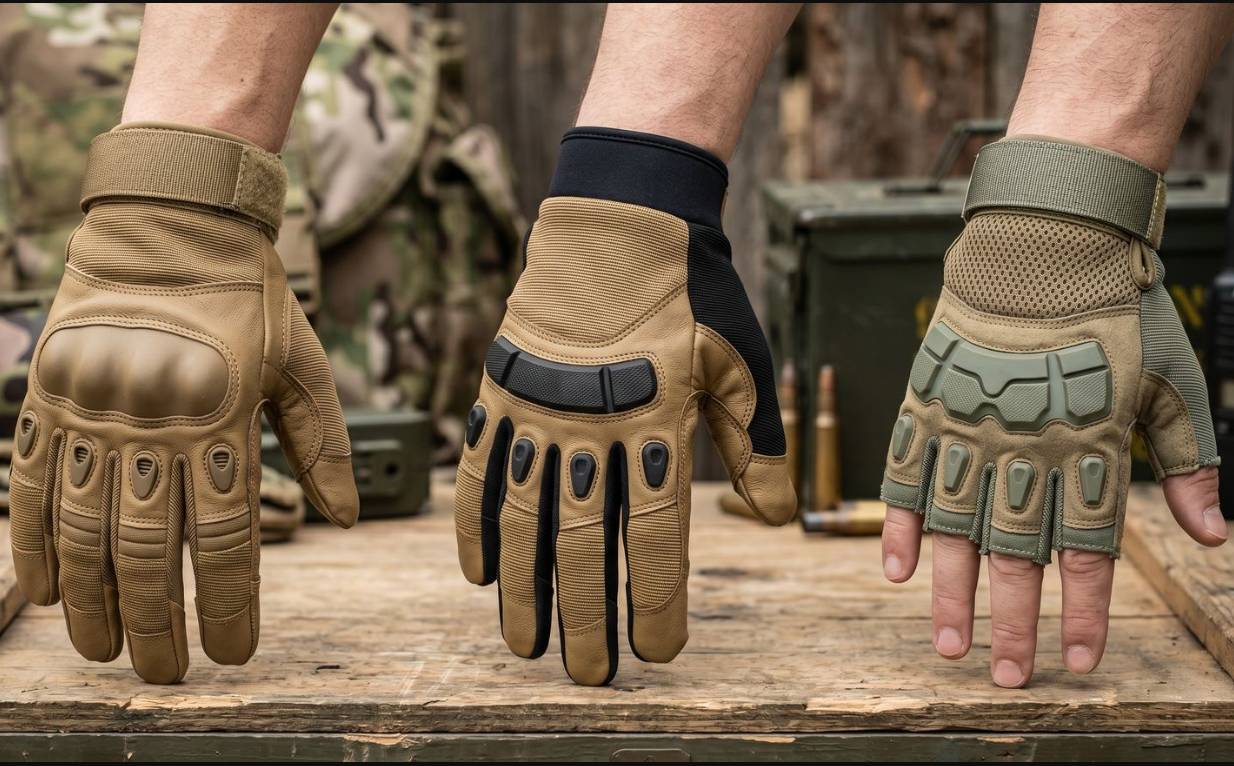
In each case, the decision is not simply about stopping power. It is about the total mission system: mobility, sensor integration, communications, threat profile, and evacuation timelines. The RF1 is best seen as one component in a broader survivability architecture that includes body armor, eyewear, gloves, and the tactics that determine where the user is likely to be when rounds start flying.
A continuation of the special operations helmet revolution
The FAST lineage helped normalize the idea that helmets should be tailored to the digital battlefield. Earlier generations of combat gear assumed a soldier with a rifle and perhaps a bayonet; today’s operator may carry multiple radios, a laser designator, thermal optics, and a helmet-mounted NVG assembly before even considering armor. The FAST RF1 carries that logic into the realm of enhanced ballistic defense.
That makes it part of a broader trend visible across modern defense procurement. The same forces that produced modular rifles, scalable plate carriers, and integrated soldier systems are now reshaping head protection. The goal is not simply to add more armor, but to add armor intelligently. The helmet must fit the mission, support the technology stack, and still be wearable for hours at a time. The RF1’s relevance lies in its attempt to do all three.
In historical perspective, the helmet has always been a compromise between the realities of industrialized lethality and the human limits of endurance. The Ops-Core FAST RF1 is a distinctly twenty-first-century answer to that old problem. It is a specialized piece of equipment for specialized users, and its very existence reflects how far military head protection has traveled since the steel helmets of the trench warfare era. For those who need rifle-rated protection without surrendering the modular ecosystem of modern combat gear, it occupies a narrow but important place in the evolution of battlefield survivability.