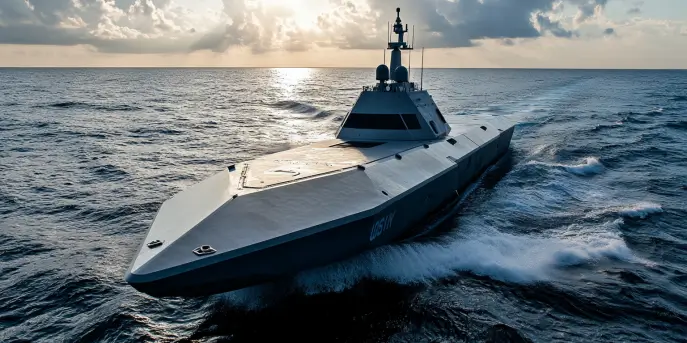


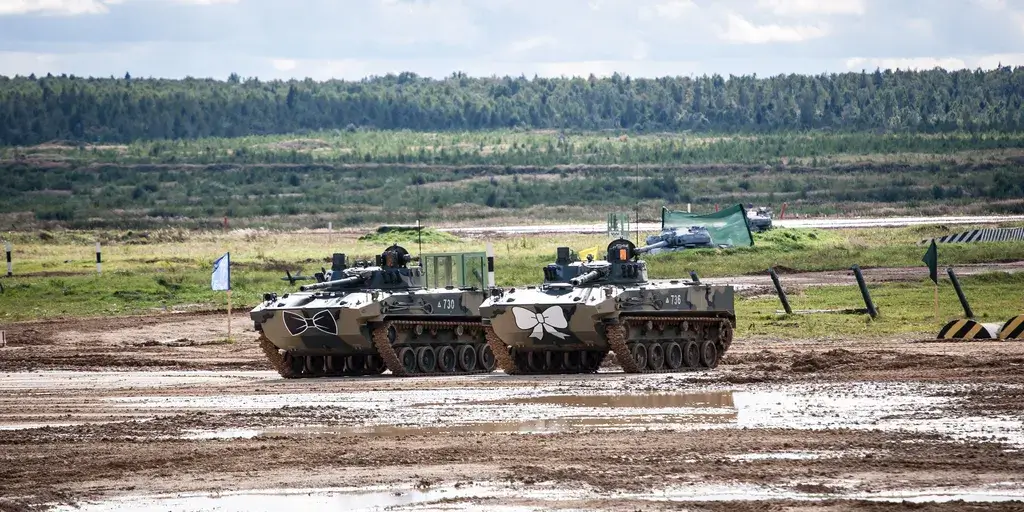
Artificial intelligence is no longer a futuristic buzzword drifting around defense conferences and glossy concept videos. It is already being folded into the machinery of modern war, and the effect is nothing short of tectonic. From battlefield sensing to logistics, from target recognition to cyber defense, AI is changing how militaries find, decide, and act. The result is a new kind of combat ecosystem: faster, more connected, and far more dependent on data than ever before.
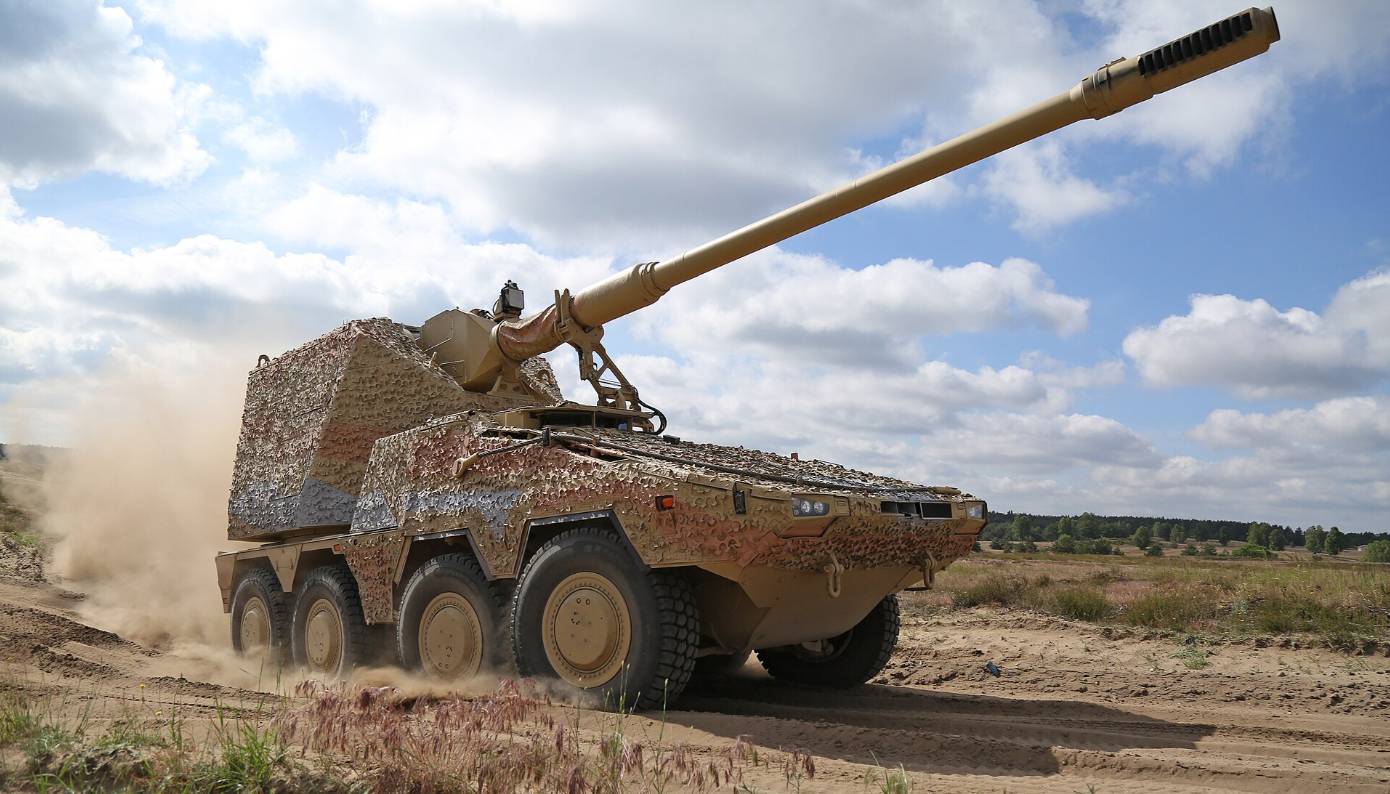
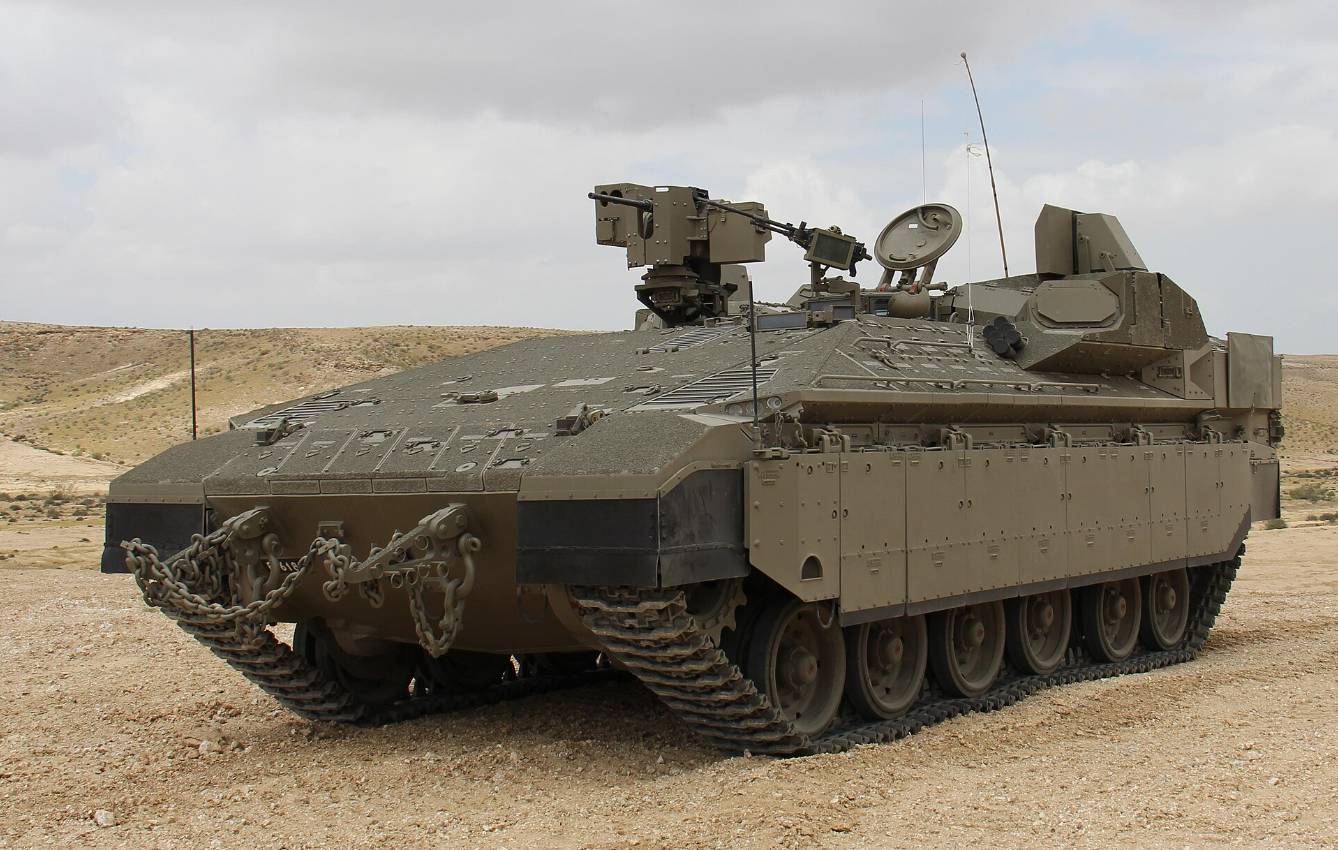
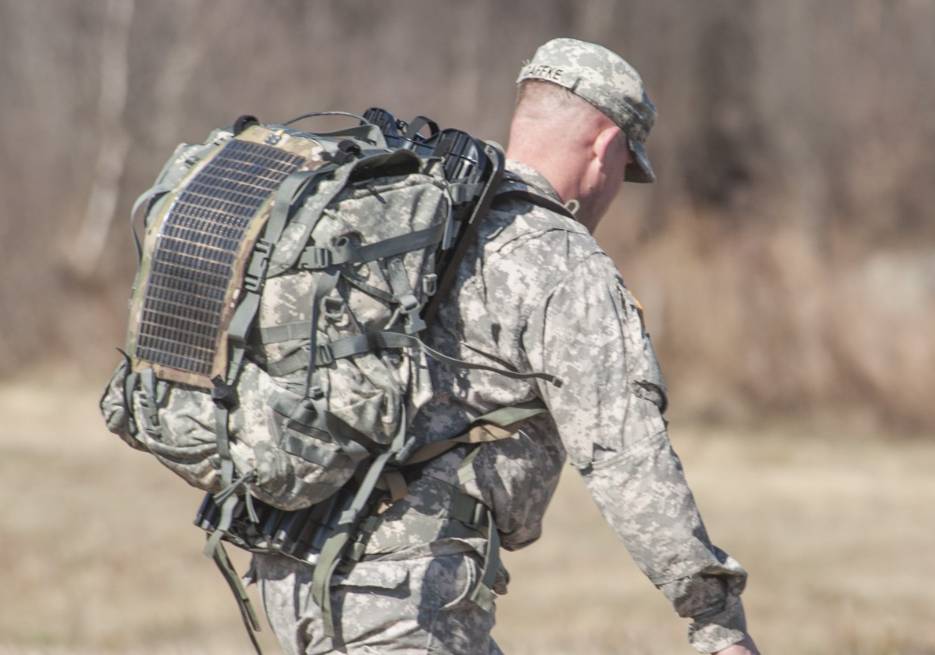
What makes this shift so profound is not just that machines are getting smarter. It is that the entire tempo of war is accelerating. In a world where milliseconds can matter and information arrives from satellites, drones, radar, ground sensors, and electronic surveillance all at once, AI becomes the glue that helps humans make sense of the chaos. The winning side may not be the one with the most platforms, but the one that can turn raw data into actionable advantage the fastest.
From sensors to decisions in seconds
Modern war is a sensor-rich environment. A single theater can generate a blizzard of signals: video feeds from unmanned aircraft, infrared imagery, radar tracks, acoustic detections, SIGINT, cyber alerts, and reports from soldiers on the ground. No human staff can manually digest all of that at speed. AI can. That is where machine learning models shine: they can sift through enormous streams of information, detect patterns, and flag anomalies far faster than traditional workflows.
This is especially important in intelligence, surveillance, and reconnaissance — the classic ISR mission set. AI-powered tools can scan satellite imagery for new vehicle revetments, spot changes in terrain, identify camouflaged equipment, and correlate movement patterns across time. Instead of analysts spending hours staring at screens, software can pre-sort the most interesting frames and highlight likely targets or threats. The human analyst is still there, but now operating as a high-value decision-maker rather than a data janitor.
That is a major philosophical shift. AI does not replace the commander, the pilot, or the analyst. What it does is compress the decision cycle. Militaries have long talked about the need to move from sensor to shooter faster than the adversary. AI is the engine that makes that slogan increasingly real.
What AI is already doing on the battlefield
AI is not confined to laboratory demos. It is finding use across a surprisingly broad range of military tasks:
- Target detection and classification: identifying vehicles, aircraft, ships, missile launchers, and personnel from imagery and sensor data.
- Predictive maintenance: forecasting failures in aircraft, armored vehicles, ships, and drones before they happen.
- Logistics optimization: routing fuel, ammunition, and spare parts through contested supply lines more efficiently.
- Decision support: assisting commanders with course-of-action comparisons and scenario modeling.
- Cyber defense: detecting abnormal network behavior and automating responses to intrusion attempts.
- Autonomy: enabling drones, loitering systems, and robotic vehicles to navigate, search, and coordinate with limited human input.
Some of the most immediate gains are in maintenance and logistics, areas that rarely get the attention of flashy weapons programs but often decide wars. A fighter jet that is always ready to fly, a truck convoy that arrives on time, or a naval system that avoids a catastrophic breakdown can matter as much as a new missile. AI is exceptionally good at finding inefficiencies and predicting which part is about to fail, which means readiness can improve without a single new airframe being built.
The rise of AI-enabled kill chains
In military jargon, a kill chain is the sequence that connects detection, identification, tracking, targeting, engagement, and assessment. AI is now being inserted into nearly every link in that chain. This does not necessarily mean fully autonomous weapons, but it does mean that the loop is getting tighter and more machine-assisted.
Imagine a reconnaissance drone spotting a suspicious vehicle. AI processes the image, compares it against a library of known signatures, cross-checks movement patterns with previous activity, and sends a confidence score to a command node. Another model fuses that with signals intelligence and satellite data. A human operator reviews the recommendation, approves further monitoring, and a strike asset is cued. The whole process can happen dramatically faster than a legacy workflow built on manual review and voice communications.
That speed is seductive because it offers battlefield advantage. But it also raises a serious question: if everyone is moving faster, who has time to verify that the machine is right? In war, errors are not abstract. A false positive can mean civilian casualties, diplomatic escalation, or friendly fire. The more AI is embedded into operational decisions, the more militaries must balance speed against judgment.
Autonomy is not the same as independence
One of the biggest misunderstandings about military AI is that autonomy means a system is suddenly thinking like a commander. It does not. Most practical systems are better understood as human-machine teaming. The machine handles sensing, sorting, navigation, or recommendation; the human retains authority over critical decisions. That distinction matters because it is the line between tool and actor.
Still, the trajectory is unmistakable. Uncrewed aerial systems are becoming more independent in navigation and coordination. Ground robots can map terrain and follow waypoints. Naval autonomy is advancing in mine countermeasures, maritime patrol, and swarm-like coordination. The more reliable these systems become, the more roles they can take over in dangerous environments where humans are exposed to air defenses, artillery, mines, or electronic attack.
This is particularly compelling for operations in denied or contested zones. If a machine can operate with reduced communications, avoid jamming, and continue mission execution even when links are degraded, it becomes a force multiplier. In that sense, AI is not just about intelligence; it is about resilience.
Swarming, teaming, and distributed power
One of the coolest parts of AI-driven warfare is the concept of distributed systems working together like a coordinated organism. Swarms of drones, for example, can blanket an area with sensors, overwhelm air defenses, confuse defenders, or create affordable mass. AI helps these systems coordinate without requiring a human to micromanage every platform.
This matters because mass is expensive in the era of exquisite weapons. A few highly capable aircraft or ships can be incredibly powerful, but they are also costly and limited in number. AI helps enable a different model: many cheaper platforms acting in concert. If one drone is shot down, the mission continues. If one node is jammed, the rest adapt. That kind of distributed architecture is a nightmare for traditional defense planning because it complicates targeting and increases uncertainty.
Human-machine teaming is also becoming a central design principle. A fighter pilot may use an AI co-pilot to manage sensor fusion, prioritize threats, or suggest evasive actions. An artillery unit may use AI to estimate likely enemy positions and recommend firing solutions. A naval combat system may use AI to triage incoming tracks and reduce operator overload. In each case, the human remains in the loop, but the machine handles the parts that are too fast or too data-heavy for unaided cognition.
Specs table: where AI adds combat power
| Domain | AI contribution | Operational effect |
|---|---|---|
| ISR | Image recognition, pattern analysis, change detection | Faster target finding and cueing |
| Logistics | Demand forecasting, route optimization | Better supply reliability and lower downtime |
| Cyber | Anomaly detection, automated triage | Quicker intrusion response and defense |
| Autonomy | Navigation, collision avoidance, mission adaptation | Reduced human workload in dangerous zones |
| Decision support | Scenario modeling, course-of-action ranking | Faster command decisions under pressure |
The hard limits: data, trust, and the fog of war
For all its promise, AI is not magic. It is only as good as its data, assumptions, and training environment. Military settings are brutal for machine learning because the adversary gets a vote. An enemy can camouflage vehicles, spoof sensors, jam communications, manipulate data, or simply behave in ways the model has never seen before. Systems that look brilliant in a test range can become brittle in combat.
This is where trust becomes the real currency. Commanders must trust that an AI recommendation is reliable, explainable enough, and resilient under pressure. If the system becomes a black box, operators may either over-trust it and get burned, or ignore it entirely and lose the promised advantage. Neither outcome is ideal.
There is also the issue of adversarial AI. If one side uses machine learning to accelerate targeting, the other side will try to poison training data, induce false detections, or generate deceptive signatures. AI does not remove the fog of war; in some ways it thickens it by adding another layer of competition over data integrity and model robustness.
Electronic warfare and cyber are becoming AI battlegrounds
Two of the most important arenas for military AI are electronic warfare and cyber operations. These domains are defined by speed, complexity, and constant adaptation — exactly the kind of environment where AI can be devastatingly useful. In electronic warfare, algorithms can identify emitters, classify waveforms, and adapt jamming techniques in real time. In cyber defense, AI can watch network traffic for subtle deviations, detect malware patterns, and prioritize incidents before they cascade into larger failures.
The flip side is equally important. Adversaries are also using AI to generate phishing content, automate reconnaissance, optimize exploit selection, and accelerate vulnerability discovery. This creates a kind of machine-speed offense-defense race where both sides are constantly learning, adapting, and counter-adapting. The battlefield is no longer just physical terrain; it is also model space, data space, and spectrum space.
Ethics, law, and the future of human control
No article about military AI can avoid the most difficult issue: how much lethal authority should be delegated to machines? That debate is not academic. It cuts to the core of accountability, proportionality, and the laws of armed conflict. If a system misidentifies a target, who is responsible — the programmer, the commander, the manufacturer, or the state?
Most defense organizations publicly insist on meaningful human control over lethal decisions, and for good reason. Humans are still better at context, moral judgment, and interpreting ambiguous situations. A machine can recognize a tank; it cannot understand surrender, fear, deception, or the strategic implications of a strike the way a trained commander can. The question is not whether AI will be used, but where the line should be drawn.
Expect this debate to intensify as autonomy improves. The pressure to automate will come from three directions at once: battlefield speed, manpower constraints, and the desire to reduce risk to friendly forces. That combination is incredibly powerful. But the more lethal the system, the more important it is to preserve control, auditability, and restraint.
The militaries that adapt fastest will set the pace
AI is not a single weapon system. It is a force multiplier that permeates the entire military enterprise. The countries that integrate it well will not just have smarter gadgets; they will have faster logistics, better situational awareness, tighter command loops, and more adaptable forces. That means the competition is as much about organizational culture as it is about software.
The winners will be the militaries that can fuse AI with doctrine, training, secure data pipelines, and battlefield realism. They will need engineers who understand combat, operators who understand algorithms, and commanders who know when to trust the machine and when to override it. That is a tall order, but the payoff is enormous.
War has always been a contest between offense and defense, speed and protection, mass and precision. AI changes the arithmetic in all of those categories. It does not make war clean or easy — if anything, it makes it faster, denser, and more unforgiving. But it also opens the door to unprecedented levels of coordination, efficiency, and resilience. The next era of warfare will not be defined by humans versus machines. It will be defined by humans and machines, fighting together, against an equally adaptive adversary.