


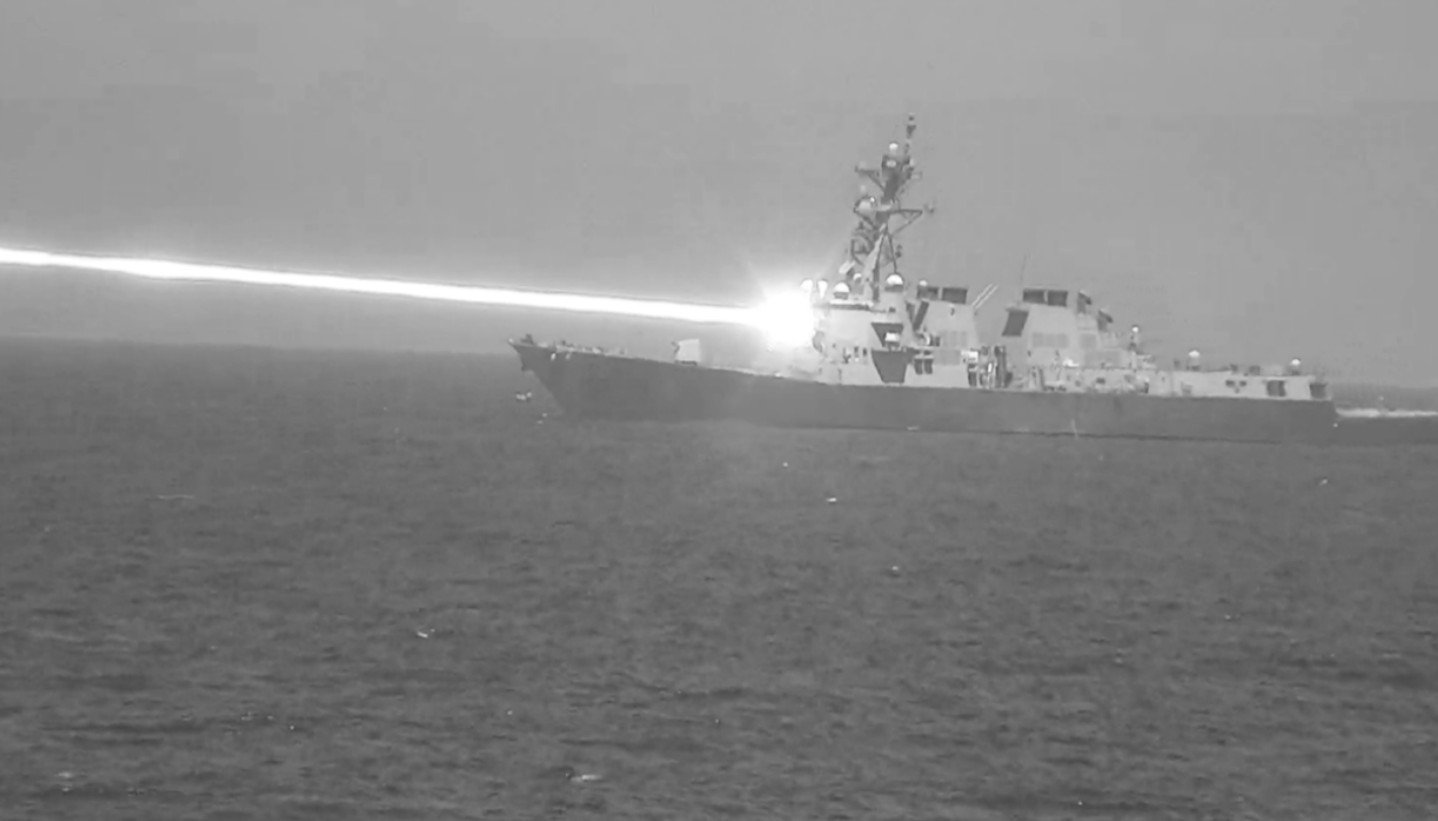
In an era defined by rapid technological advancements, defense systems need to evolve continuously to keep pace with emerging threats. One such formidable challenge comes from the proliferation of inexpensive drones, such as those proliferated by Iran. However, Lockheed Martin has unveiled a promising solution with its High Energy Laser with Integrated Optical-dazzler and Surveillance (HELIOS) system, potentially redefining battlefield dynamics.
You Might Also Like


A New Era in Laser Defense Technology
Lockheed Martin’s HELIOS system represents a significant leap forward in military laser technology, combining high-energy laser capabilities with integrated optical dazzling and surveillance tools. This multifaceted approach allows HELIOS to engage, deter, and disrupt an array of possible threats. Its primary aim is to provide an accessible, effective defense mechanism against the menace of low-cost, rapidly manufactured drones.
Laser technology has been steadily maturing over the past decades, evolving from a science fiction concept into a viable military asset. HELIOS exemplifies this progress by offering a scalable and reliable defense system that can be incorporated into existing naval frameworks.
Capabilities of HELIOS
The HELIOS system integrates seamlessly with naval platforms and sensors, providing near-instantaneous response times to identified threats. Its core capabilities include:
- High-Energy Laser: With its directed energy capabilities, the high-energy laser can physically engage threats and neutralize them at the speed of light.
- Integrated Optical Dazzler: This functionality can disrupt and deter electronic sensors used by enemy drones, rendering them ineffective.
- Advanced Surveillance: Enhanced surveillance capabilities allow operators to track and identify potential threats more accurately, ensuring precise engagement strategies.
The Strategic Need
Iran’s growing arsenal of unmanned aerial vehicles (UAVs) poses a significant challenge to traditional defense mechanisms. These drones can be deployed in swarms, overwhelming conventional anti-air measures. Thus, a system like HELIOS, capable of engaging multiple targets at once without the need for traditional ammunition, signifies a pivotal development in military defense strategies.
The use of cheap drones has expanded beyond Iranian borders, with various non-state actors and rogue states adopting similar tactics. This exacerbates the need for an effective, adaptable, and cost-effective solution capable of countering such threats swiftly and efficiently.
Operational Deployment and Costs
One of the significant advantages of HELIOS is its cost-effectiveness. Unlike missile defense systems that can be prohibitively expensive, lasers offer a lower cost-per-shot ratio. This economic advantage strengthens the appeal of HELIOS as a sustainable long-term solution for militaries worldwide.
Furthermore, the system has been designed to integrate effortlessly into ships like the Navy’s Arleigh Burke-class destroyers, enabling smooth transitions from traditional armament to advanced laser systems. Its modular nature also allows for straightforward upgrades and integration with future technologies as they become available.
HELIO’s Technical Specifications
| Specification | Details |
|---|---|
| Laser Power | 60 kilowatts |
| Range | Over 1 mile |
| Deployment Platforms | Arleigh Burke-class destroyers |
| Integration | Seamlessly with existing naval combat systems |
Implications for Future Warfare
The advent of HELIOS can potentially reshape strategies in modern warfare. As laser technology becomes a more integral component of military arsenals, the dependency on traditional munitions may decrease, altering logistical strategies and potentially leading to a strategic shift in how conflicts are managed and perceived.
Additionally, this technology promises to bring about further innovations in defensive measures, prompting adversaries to rethink their offensive strategies. As lasers like HELIOS continue to prove their value on the field, it’s reasonable to predict an escalation in research and development efforts on both sides of the geopolitical spectrum.
Challenges and Opportunities
While HELIOS provides a promising defense against drones, it is not without its challenges. Operational resilience in varying weather conditions, maintaining a consistent power supply, and ensuring military personnel are adequately trained to operate advanced laser systems are all crucial factors that need to be addressed.
Opportunities, however, come with these challenges. The drive to perfect laser technologies opens avenues for innovation not only in military applications but also in civilian sectors such as environmental monitoring and space exploration, where precision targeting and energy efficiency are valuable assets.
Lockheed Martin’s development of HELIOS marks a significant milestone in defense strategies, offering new solutions to contemporary security challenges. As this technology continues to evolve, it might just pave the way for a new frontier in defensive warfare.