

The Tactical Role of Light Utility Vehicles
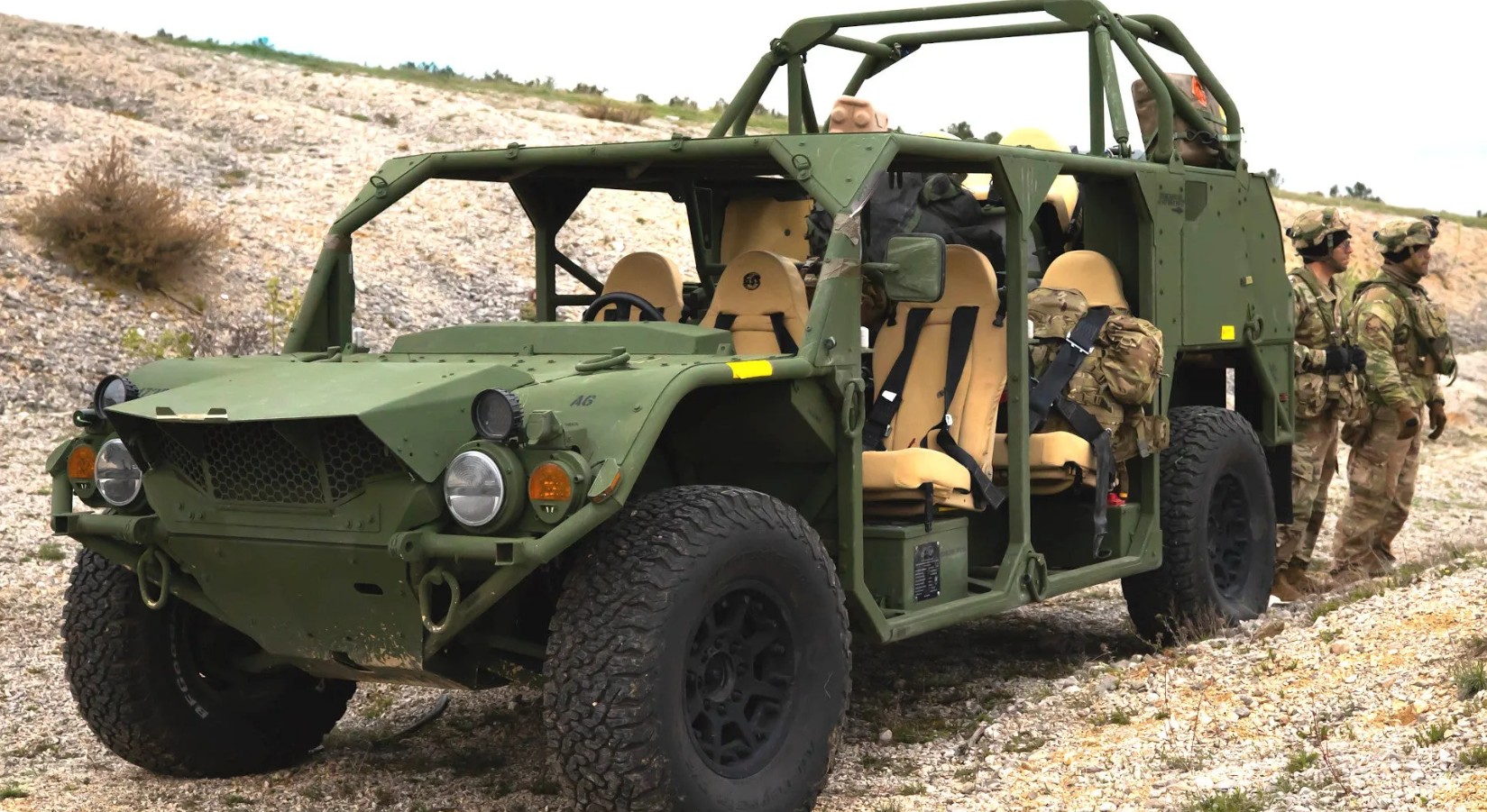
In military operations, light utility vehicles (LUVs) play a critical role in mobility and logistics. These agile and versatile machines are designed to maneuver in challenging terrains, providing quick transport, supply distribution, and reliable support for various military tasks. Yet, despite their utility, these vehicles often lack the armor and protection needed to safeguard soldiers in hostile environments.
Understanding the Design Philosophy
Light utility vehicles, such as the iconic ‘jeep’, are primarily constructed with speed, agility, and flexibility in mind. Their design ethos focuses on minimal weight and maximum terrain adaptability. This approach allows for rapid deployment and efficient maneuvering, making them invaluable in tactical situations. However, the emphasis on lightweight construction often comes with a significant trade-off: the absence of comprehensive protective features.
Significance in the Field
Light utility vehicles are frequently used in reconnaissance missions, where they provide essential quick mobility. Their ability to carry a squad of soldiers or vital equipment enhances operational efficiency in scenarios where traditional armored vehicles may be too cumbersome or slow. On the battlefield, these vehicles often operate under high-risk conditions without the shelter of heavy armor, increasing vulnerability to threats such as IEDs (Improvised Explosive Devices) and gunfire.
The Dilemma of Armor
Equipping LUVs with armor protection introduces a complex dilemma. Some military units have attempted to retrofit light vehicles with added armor, aiming to increase their survivability. However, any significant addition escalates the vehicle’s weight, potentially diminishing its speed and mobility, which are the very attributes making it effective. A finely tuned balance is sought to offer some level of protection without compromising too heavily on the vehicle’s primary strengths.
| Specification | Details |
|---|---|
| Weight | 2200-3500 kg |
| Speed | 120 km/h |
| Seating Capacity | 4-6 soldiers |
| Engine Power | 150-200 HP |
| Range | 600-800 km |
Innovations and Future Trends
The future of light utility vehicles in military use heavily depends on advancements in material science and technology. Innovative materials that offer high strength without cumbersome weight are in high demand. Efforts are also underway to enhance these vehicles with modifiable designs, allowing them to be equipped with additional protective gear tailored to specific mission requirements. Furthermore, there’s a growing interest in hybrid and electric variations, driven by the need for vehicles that can operate effectively on a battleground while reducing logistical constraints such as fuel supply lines.
Training for Safety and Efficiency
Given their design and operational role, training military personnel to maximize the use of light utility vehicles is paramount. Effective training focuses on maneuvering in diverse terrains and employing tactical evasive actions to mitigate the risks that accompany their lightweight, less armored build. Regular drills aimed at vehicle maintenance also ensure that these machines remain in peak condition to avoid breakdowns during critical missions.
Global Use and Examples
Globally, many military forces have incorporated light utility vehicles into their operations. For instance, the United States Army utilizes models like the Humvee and the newer Joint Light Tactical Vehicle (JLTV) which incorporate some armor without losing key LUV characteristics. Similarly, the UK employs the Land Rover Defender, modified for military use. While the specifics vary, the core concept remains consistent: providing forces with cost-effective, agile, and reliable transport solutions.
Challenges in Conflict Zones
Operating light utility vehicles in conflict zones presents numerous challenges, primarily due to their vulnerability. In regions where guerrilla tactics and asymmetric warfare are prevalent, the susceptibility of these vehicles to traps and ambushes is a persistent threat. Technology such as infrared and night vision enhancements, along with reinforced undercarriages, is being developed to counteract these risks, offering added protection without excessive weight increase.
In conclusion, while military light utility vehicles are indispensable for their mobility and versatility, the ongoing challenge remains to enhance their protective capabilities without compromising their fundamental attributes. Continuous innovation and adaptive strategies will be crucial for their evolution and effectiveness in future military operations.