

The U.S. Army’s Long-Range Hypersonic Weapon, better known as Dark Eagle, is one of those systems that changes the conversation before it ever changes the battlefield. It is not just another missile program with a faster engine or a bigger warhead. It is part of a broader push to restore a form of long-range strike that can hold high-value targets at risk from distances that used to be dominated by airpower or naval cruise missiles.
You Might Also Like


From a soldier’s-eye view, the appeal is easy to understand: reach, speed, and survivability. If you can get a weapon to a target area in minutes instead of hours, and if that weapon can maneuver in ways that make interception far harder, you force an adversary to think differently about air defenses, command posts, missile batteries, logistics hubs, and other critical nodes. That is the logic behind Dark Eagle.
What Dark Eagle Is
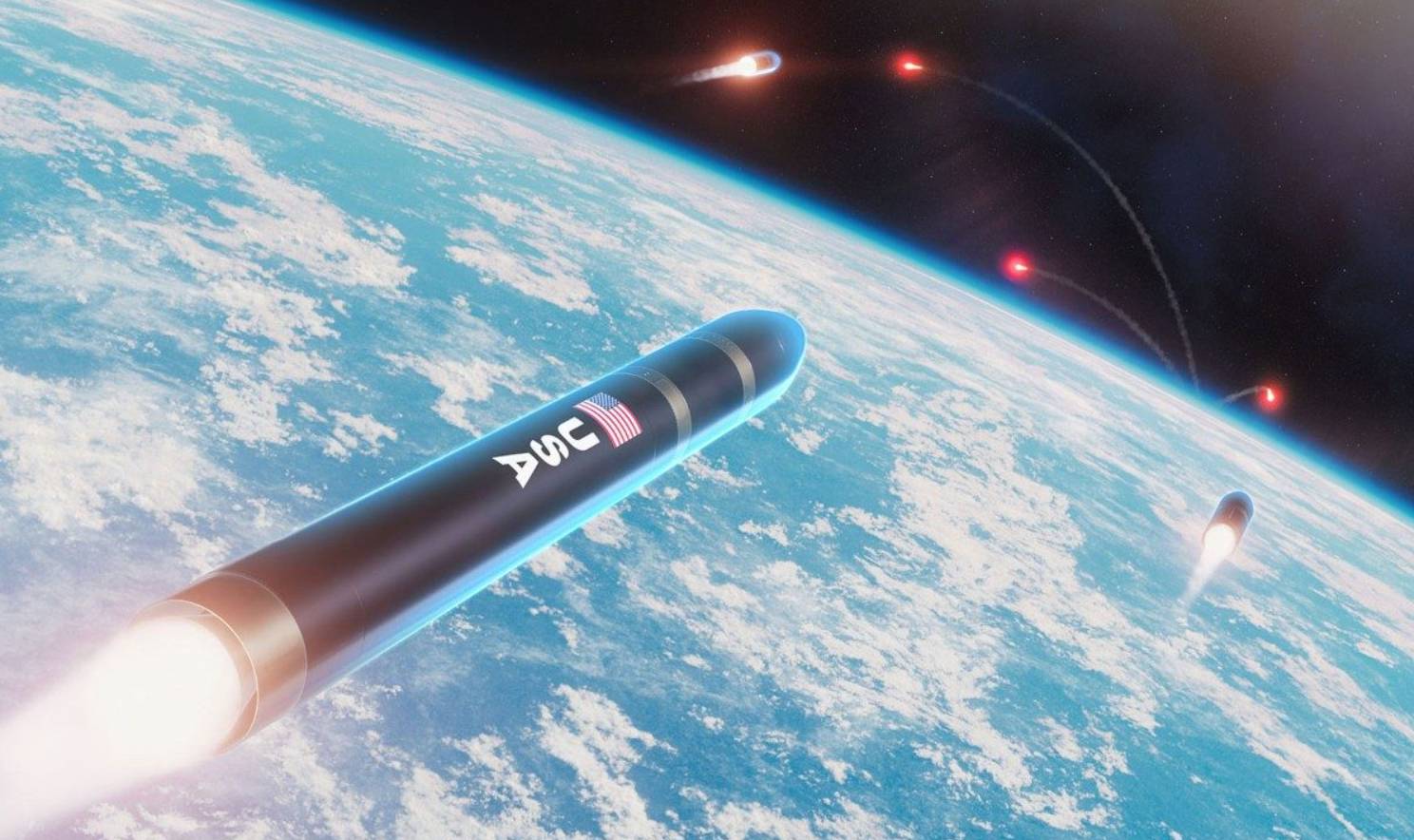
Dark Eagle is the Army’s land-based hypersonic strike system. It is designed to fire a Common Hypersonic Glide Body (C-HGB) from a ground launcher, using a booster rocket to accelerate the payload to hypersonic speed before the glide body separates and flies toward the target. Unlike a traditional ballistic missile, the glide body is built to maneuver during flight, following a much less predictable path than older systems.
The Army and Navy have worked together on the underlying hypersonic technology, but Dark Eagle is the Army’s operational ground-launched variant. The system is meant to provide theater commanders with a tool for conventional long-range precision strike against heavily defended, time-sensitive, or strategically important targets.
In practical terms, this is a weapon for the opening phases of a high-end fight. It is not a mass-fire system. It is not meant to replace artillery, attack aviation, or cruise missiles. It is meant to hit the targets that matter most when the fight starts getting serious.
Why Hypersonic Matters
Hypersonic is one of those words that gets used loosely in public discussion, but in military terms it usually means speeds above Mach 5. Speed alone is not the whole story. The real value of a system like Dark Eagle comes from the combination of speed, maneuverability, and compressed decision time.
In the field, time is everything. A target that can move, hide, disperse, or dig in is much harder to kill if the strike package arrives late. Hypersonic weapons shrink the enemy’s reaction window. That matters for mobile missile launchers, air defense radars, command-and-control nodes, and leadership targets. It also complicates enemy planning because defenders cannot rely on a simple ballistic intercept problem.
That said, hypersonic is not magic. It does not make a target invulnerable to defense, and it does not guarantee a kill. Real-world effectiveness still depends on good intelligence, precise targeting, launch authorization, communications resilience, and battle damage assessment. A fast weapon is only as useful as the kill chain behind it.
System Architecture
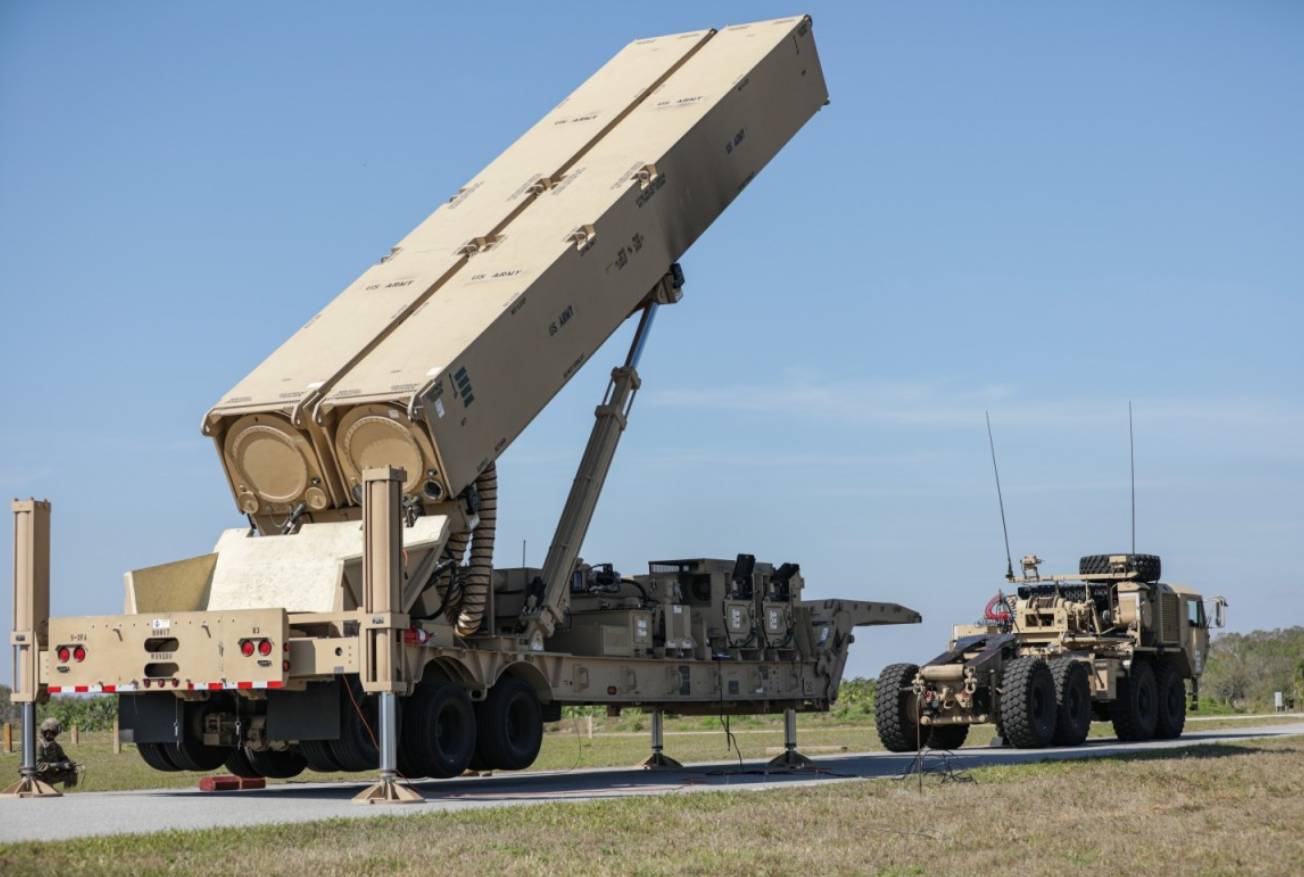
Dark Eagle is built around a launcher, a trailer-mounted missile canister, the booster, and the glide body. The Army’s launcher is road-mobile, which is a major operational benefit. Mobility makes survivability better, especially in a contested theater where fixed launch sites would be a liability.
The launcher is part of a broader support package that includes command and control, fire direction, transport, and maintenance. This is important because systems like Dark Eagle are often described only in terms of range and speed, but in real operations the hard part is moving, sustaining, and protecting the launch unit. Hypersonic capability is not just a missile in a tube; it is a fire unit that has to be positioned, supplied, secured, and integrated into the theater network.
Like most advanced strike systems, Dark Eagle depends on secure communications and targeting data. The weapon can only be used effectively if the Army can feed it timely, accurate coordinates and launch authority. In a peer fight, those networks may be contested, jammed, or degraded. That means the system must be built to work inside an environment where satellite links, radios, and digital networks are under pressure.
Known and Reported Specifications
Public details remain limited, and some figures are not officially confirmed. Even so, enough is known to outline the system’s broad capabilities.
| Specification | Details |
|---|---|
| System Name | Long-Range Hypersonic Weapon (LRHW), Dark Eagle |
| Service | U.S. Army |
| Mission | Conventional long-range precision strike |
| Missile Type | Ground-launched hypersonic glide weapon |
| Propulsion | Booster rocket with unpowered glide vehicle |
| Reported Range | Over 1,700 miles / 2,700 km, with some assessments suggesting greater reach |
| Speed | Hypersonic, above Mach 5 |
| Warhead | Conventional payload; exact configuration not publicly disclosed |
| Launcher | Road-mobile ground launcher |
| Role | Penetrating strike against high-value defended targets |
Because this is a strategic weapon system, exact performance data is understandably guarded. Range, trajectory, and terminal behavior are the kind of details adversaries would love to know. In open-source discussion, the safest assessment is that Dark Eagle is designed to reach deep into a theater and do so fast enough to complicate defense and response.
How It Differs from Other Strike Systems
It is tempting to compare Dark Eagle with cruise missiles, ballistic missiles, or air-launched standoff weapons, but it occupies a distinct niche. Cruise missiles are terrain-following and can be very stealthy, but they are slower. Ballistic missiles are faster, but their flight paths are often more predictable. Dark Eagle aims to combine the best of both worlds: high speed and a maneuvering flight profile that is harder to model and intercept.
Compared with air-delivered weapons, Dark Eagle has another advantage: it does not require air superiority or a survivable aircraft package to get close to the target. That makes it especially valuable in the first days of a conflict, when tankers, strike aircraft, and support aircraft may be at risk. From a commander’s perspective, having a land-based option that can hit deep without asking for airspace access is a major operational benefit.
At the same time, Dark Eagle is not a cheap or expendable weapon. This is a high-end asset that will likely be reserved for targets where the payoff justifies the cost. That means commanders will have to be disciplined in how they use it. Burning a hypersonic round on a low-value target would be a waste of a scarce capability.
Operational Value in a Contested Theater
If you think like an enemy planner, Dark Eagle is unsettling because it threatens the parts of the force that make everything else work. Command centers, integrated air defense nodes, missile launchers, long-range sensors, maritime choke-point defenses, and logistics hubs all become more vulnerable. That forces dispersion, camouflage, mobility, and deception, which in turn slows the adversary’s tempo.
From a U.S. Army perspective, that is the point. The Army has long wanted a way to contribute meaningfully to long-range strike in support of joint operations. Dark Eagle gives land forces a seat at the table in the strategic strike conversation. It allows the Army to hit targets that used to be the exclusive domain of bombers, submarines, or surface ships.
There is also a deterrence effect. Weapons like this do not just destroy things; they shape calculations. A well-known hypersonic capability can force an adversary to spread out critical systems, spend more on defense, and accept greater risk in any crisis. In peacetime, that can have a stabilizing effect by making aggression look more expensive.
Deployment and Basing Challenges
High-end weapons create high-end support problems. Dark Eagle requires secure basing, transportation, maintenance, training, and command integration. The launcher is mobile, but the system is not invisible. Moving a hypersonic battery takes planning, protection, and logistics. Ammunition storage, route security, emissions control, and deception measures all matter.
There is also the question of vulnerability before launch. A long-range strike unit becomes a target the moment it is identified. That means the Army must think in terms of survivable movement, short setup times, and tactical concealment. A launcher that can’t be moved, hidden, or defended is just a fixed target with a long reach.
Training is another factor. A complex strike system demands crews who are competent not only with the launcher itself, but also with communications, targeting procedures, and launch discipline. In practice, the human side of a system like this is often what decides whether it performs as advertised.
Strategic Implications
Dark Eagle sits at the intersection of conventional deterrence and theater-level strike. It is part of a larger U.S. response to the growing fielding of long-range precision weapons by peer competitors. When adversaries invest in anti-access and area-denial systems, the response is not just more ships or more aircraft; it is also the ability to suppress, blind, and destroy the systems that create those defenses.
That is why hypersonic weapons matter in the bigger picture. They are not just a technological showcase. They are a way to restore freedom of action. They may not be fired often, but the fact that they exist changes enemy behavior every day.
There is, however, a cautionary note. The more valuable the target set, the more pressure there is to use the weapon early and decisively. That can create escalation risk if not managed carefully. Any commander who receives authority to employ a system like Dark Eagle will have to weigh the military value against the strategic signal it sends.
What to Watch Going Forward
The most important questions about Dark Eagle are no longer whether hypersonic weapons are real. They are. The real questions are about reliability, deployability, and integration. Can the Army field the system at scale? Can it move it into theater quickly? Can it keep the command network resilient under attack? Can it sustain crews and missiles in a real fight?
Those are the issues that separate a promising prototype from a battlefield tool. The operational test for Dark Eagle will not be whether it looks impressive on a briefing slide. It will be whether it can be launched on time, survive the enemy’s attempts to find it, and hit the target when the theater commander needs it most.
From where I’ve stood, systems like this are judged less by their brochure numbers than by their effect on enemy behavior. If Dark Eagle makes an opponent disperse, hide, slow down, or think twice before moving critical assets, then it is doing its job. That is the real measure of a long-range strike weapon: not just how far it flies, but how much freedom it buys for the force that owns it.