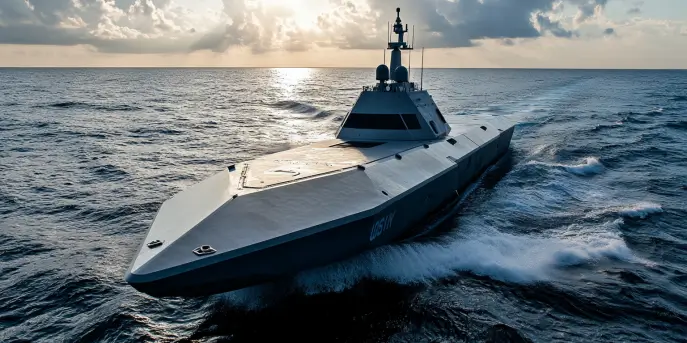



The U.S. Ballistic Missile Defense System, or BMDS, is what happens when physics, software, sensors, command networks, and raw industrial firepower are all forced to work together against one of the hardest problems in warfare: stopping a ballistic missile in flight. It is not a single weapon, but a deeply layered architecture of radars, satellites, battle management software, interceptors, and launch platforms designed to detect, track, discriminate, and defeat threats ranging from short-range missiles to intercontinental ballistic missiles.
What makes BMDS so fascinating is that it is not just expensive; it is system-of-systems engineering at a scale few defense programs can rival. Every interceptor shot depends on the quality of the sensor picture, the speed of data fusion, the reliability of communications links, and the ability of software to make a split-second decision under extreme uncertainty. In missile defense, the margin for error is tiny, and the consequences of failure are enormous.
Why BMDS exists
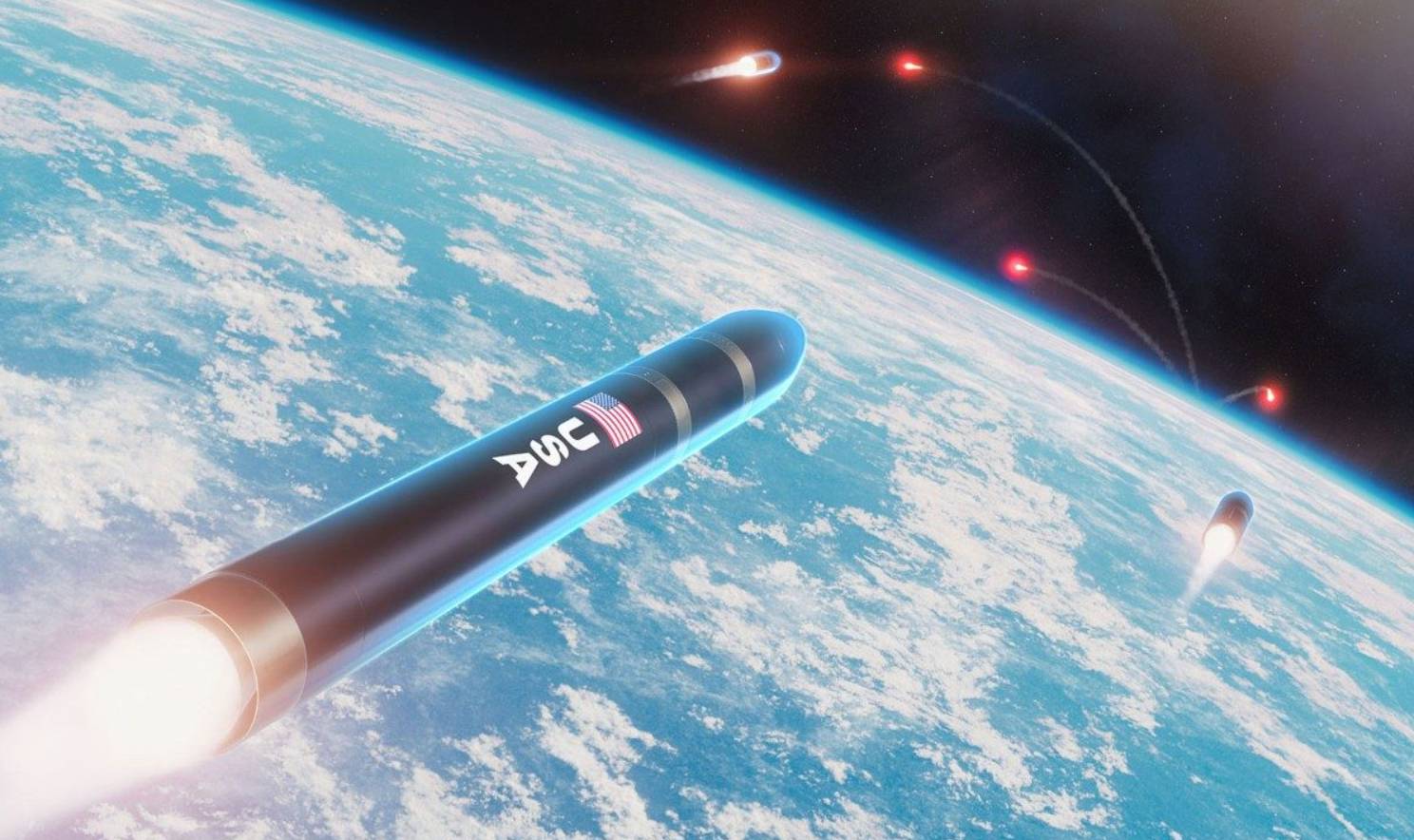
Ballistic missiles are uniquely difficult targets because they travel fast, follow predictable but very short engagement timelines, and may release countermeasures or multiple warheads. Once launched, an intercontinental ballistic missile can reach space and descend toward its target at hypersonic speed. That leaves defenders only a narrow window to detect the launch, determine the trajectory, assign an interceptor, and execute the kill chain.
BMDS was built to answer a brutal question: how do you stop a missile that may be traveling thousands of miles per hour, while also distinguishing the real warhead from decoys, debris, and other clutter? The answer is not one magic bullet. It is layered defense, where different interceptors and sensors cover different phases of flight and different threat classes.
The architecture: sensors, shooters, and the brain in the middle
At the heart of BMDS is a layered architecture built around three major elements:
- Sensors that detect launches and track objects in flight.
- Battle management and command-and-control systems that fuse data and coordinate engagements.
- Interceptors that physically collide with or destroy incoming threats.
The battle management layer is especially important. Missile defense is not just about seeing a threat; it is about seeing it first, understanding what it is, and then sending the right shooter with enough time to succeed. This is where systems like the Command, Control, Battle Management, and Communications network come in. They connect ground stations, sea-based platforms, airborne assets, and space-based sensors into a single operational picture.
Major BMDS components
| Component | Role | Examples |
|---|---|---|
| Space-based sensors | Detect missile launches and track hot objects in early flight | Defense Support Program, Space-Based Infrared System (SBIRS) |
| Ground-based radars | Provide precision tracking and discrimination | AN/TPY-2, Upgraded Early Warning Radars, Sea-based X-band Radar |
| Command and control | Fuses sensor data and coordinates engagements | BMDS C2BMC |
| Exo-atmospheric interceptors | Destroy warheads in space | Ground-Based Interceptor (GBI), SM-3 variants |
| Endo-atmospheric interceptors | Defeat threats inside the atmosphere | Patriot PAC-3, THAAD |
The interceptor family: different tools for different jobs
One of BMDS’s biggest strengths is its mix of interceptors. No single missile defense system can handle every threat in every phase of flight, so the United States uses a layered approach.
Ground-Based Interceptor (GBI) is the homeland defense heavyweight. Deployed in Alaska and California, it is designed to engage long-range ballistic missiles in space before they reenter the atmosphere. The GBI carries an Exoatmospheric Kill Vehicle that attempts a direct collision with the target. This is pure kinetic energy warfare: no explosive warhead, just precision guidance and a devastating high-speed impact.
Terminal High Altitude Area Defense (THAAD) is built for the upper endo-atmospheric and lower exo-atmospheric fight. It is mobile, highly deployable, and meant to intercept shorter-range threats in their terminal phase. THAAD has become one of the most respected missile defense systems in the world because it offers a powerful combination of mobility, range, and hit-to-kill performance.
Patriot PAC-3 handles terminal defense closer to the protected asset. It is the last line of defense against tactical ballistic missiles, aircraft, and some cruise missile threats. Its compact hit-to-kill interceptor is a marvel of miniaturized guidance and fast reaction time.
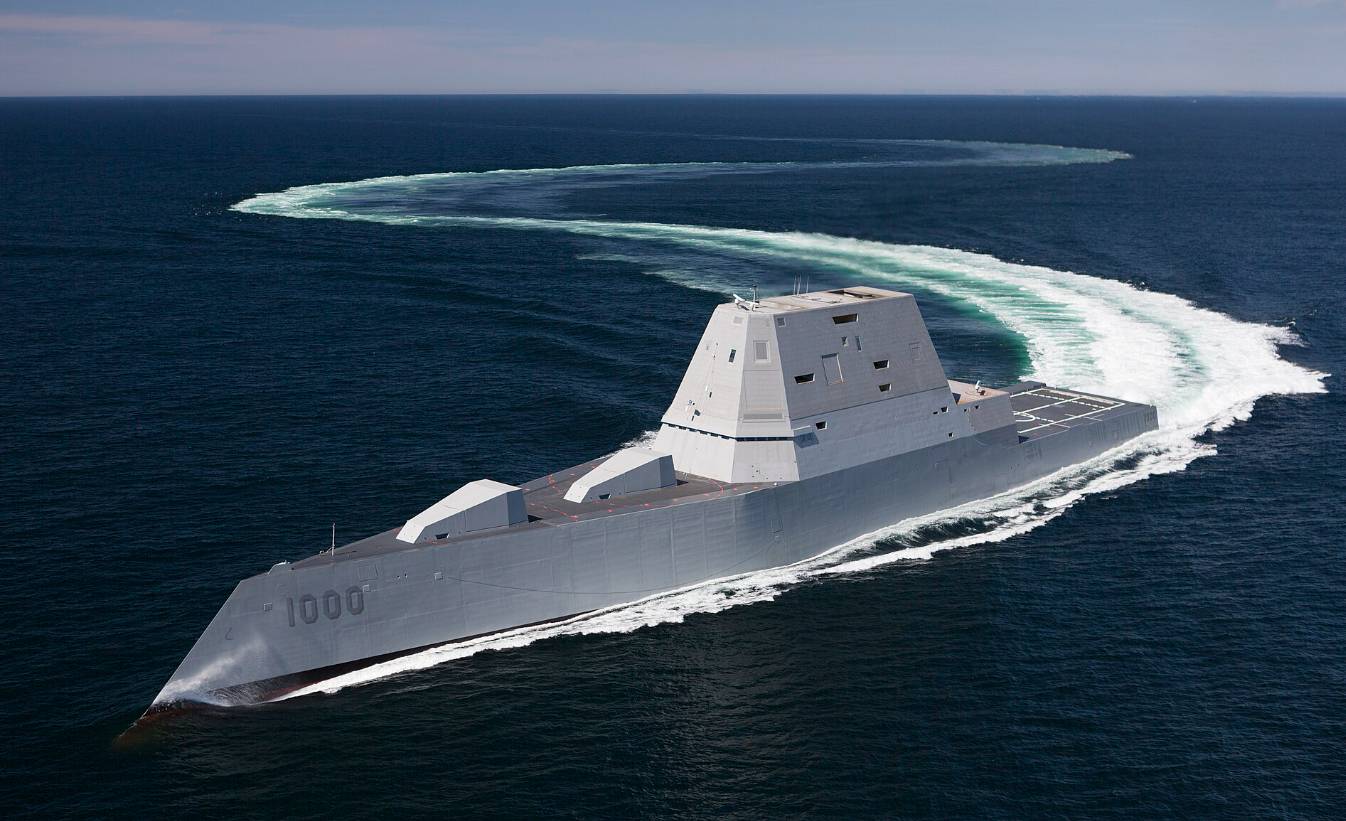
Aegis Ballistic Missile Defense extends missile defense to the sea. Using the Aegis combat system and SM-3 interceptors, Navy ships can defend large areas and add flexibility to regional missile defense architectures. This naval layer is a major advantage because it allows the U.S. to shift defensive coverage as geopolitical needs change.
Specs at a glance
| System | Primary Role | Engagement Phase | Notes |
|---|---|---|---|
| GBI | Homeland defense | Midcourse | Based in fixed silos; designed for ICBM-class threats |
| THAAD | Theater defense | Terminal | Mobile launcher; high-altitude intercept capability |
| Patriot PAC-3 | Point defense | Terminal | Protects critical sites and forces |
| Aegis BMD / SM-3 | Sea-based defense | Midcourse | Flexible maritime deployment |
Why BMDS is so expensive
BMDS costs so much because it is not just hardware. It is continuous integration at the edge of what modern engineering can do. Each layer has to be tested against realistic targets, updated as adversary missiles evolve, and integrated into a joint and allied network. The bill includes satellites, radars, hardened communications, software upgrades, test ranges, interceptor production, ship modifications, and decades of sustainment.
Then there is the cost of reliability. Missile defense cannot be built like a consumer product that gets patched after launch. A failure in the field could mean a city, airbase, or carrier strike group is left exposed. That means extensive testing, redundancy, and a relentless focus on verification. Every improvement in sensor fusion or discriminator performance can require years of engineering, modeling, and live-fire evaluation.
Another cost driver is the threat itself. Adversaries do not stand still. They add maneuvering reentry vehicles, decoys, depressed trajectories, salvo launches, and eventually hypersonic glide vehicles. As the offense evolves, the defense has to keep climbing a very steep technical hill.
The hardest problem: midcourse discrimination
If there is a single nightmare scenario for BMDS engineers, it is the midcourse phase. In space, a missile’s warhead, booster debris, and decoys can all travel together, making it difficult to tell which object is the lethal one. Interceptors must receive clean targeting data fast enough to choose the correct object and destroy it before the kill window closes.
This is why radar quality, infrared sensing, and battle management software matter so much. The system must separate signal from noise in an environment where the enemy may deliberately try to confuse it. That challenge is part science, part engineering, and part chess match.
Testing, upgrades, and the constant race
BMDS is never finished. It evolves through new radars, upgraded interceptors, better discrimination algorithms, and improved networking between services and allies. The entire enterprise depends on testing, often under highly realistic conditions, because missile defense is only as credible as its demonstrated performance.
Live-fire tests are expensive and infrequent, but they are vital. They validate whether the system can actually work when a real threat appears. Successful tests build confidence; failures expose vulnerabilities and force redesigns. In that sense, BMDS is a living engineering project rather than a static weapons program.
Strategic significance
Beyond the hardware, BMDS has enormous strategic value. It complicates an adversary’s planning, protects critical U.S. and allied assets, and signals that missile coercion will not go unanswered. It also strengthens deterrence by denial: if an attacker cannot be confident that a missile strike will succeed, the political and military value of the strike drops.
At the same time, BMDS is not a silver bullet. No missile defense system can guarantee perfect protection against a large, sophisticated salvo. The real value lies in raising the cost of attack, buying time, and creating options for decision-makers. That is why BMDS is best understood not as an invincible shield, but as a layered, adaptive, and constantly improving defensive ecosystem.
Few military programs better illustrate the marriage of advanced sensors, hypersonic-speed interception, and networked command and control. BMDS is a breathtaking example of modern defense engineering: expensive, complicated, and absolutely central to the way the United States thinks about surviving the missile age.