

A New Dawn in Military Operations
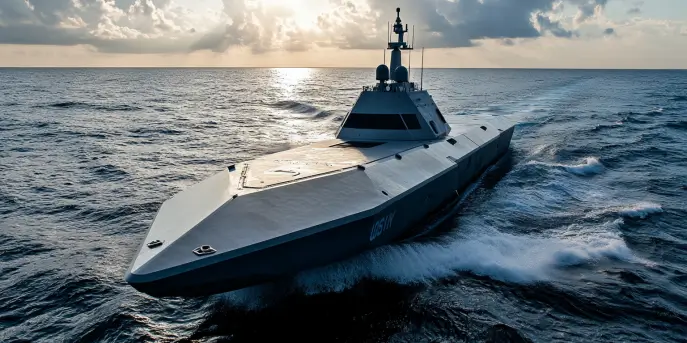
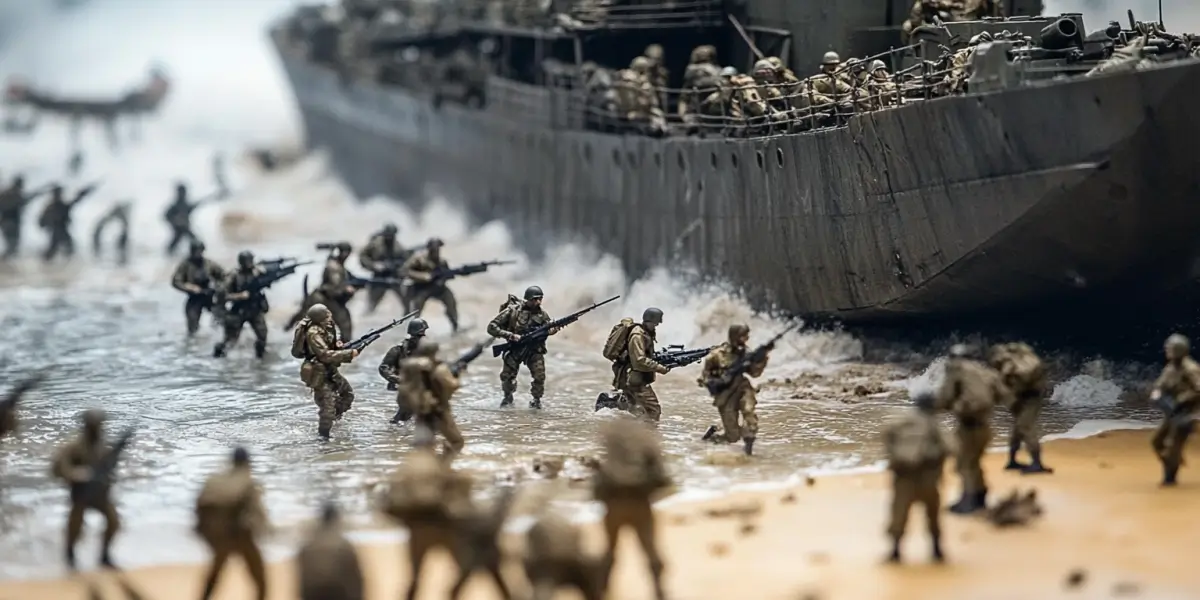
The notion of a modern ‘D-Day’ landing conjures images of historical significance intertwined with futuristic military technology. This concept, rooted in the iconic Normandy landings of World War II, has evolved to meet the challenges of contemporary warfare. As global security dynamics shift, the need for adaptive strategies and advanced technology becomes more pressing.
Technological Advancements
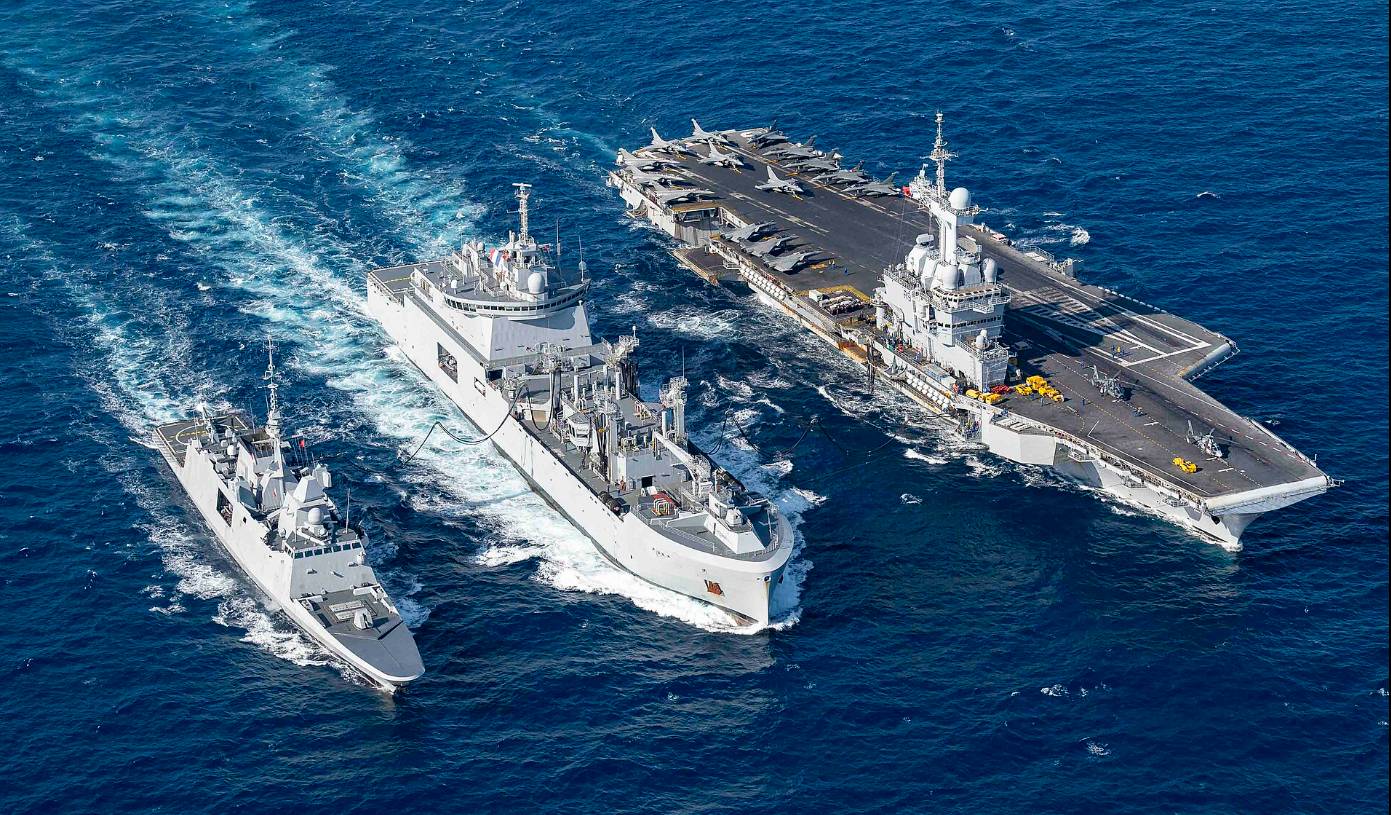
Today’s military operations leverage cutting-edge technology to enhance efficiency and minimize risks. From autonomous drones to advanced amphibious craft, modern-day landings are characterized by rapid advancements in military hardware and software. The integration of Artificial Intelligence (AI) plays a crucial role in planning and executing amphibious assaults, enabling precise targeting and minimizing collateral damage.
Unmanned Aerial Vehicles
Unmanned Aerial Vehicles (UAVs), commonly known as drones, provide critical reconnaissance capabilities, delivering real-time data to ground forces. These drones can survey large areas, identify enemy positions, and even engage targets if necessary. Their use in modern amphibious operations helps reduce the risk to human soldiers and enhances situational awareness.
- Surveillance and reconnaissance
- Target acquisition
- Electronic warfare
Amphibious Assault Vehicles
Modern amphibious assault vehicles (AAVs) are the backbone of any beach landing operation. These vehicles are designed to transition seamlessly from water to land, ensuring that troops can be deployed swiftly and efficiently. Equipped with advanced armaments and protection systems, AAVs provide crucial support to soldiers on the ground.
Information and Cyber Warfare
Modern-day operations are as much about information dominance as they are about physical presence. Cyber warfare has become a significant facet of military strategy, with nations developing capabilities to disrupt enemy communications, command, and control systems. By employing sophisticated cyber attack techniques, forces can degrade the enemy’s ability to respond effectively.
GPS and Satellite Communication
Global Positioning Systems (GPS) and satellite communications are essential for modern military operations. These technologies provide precise navigation and coordination, ensuring that troops can move and communicate effectively in hostile environments. Reliable satellite communication links are vital for maintaining command and control during complex amphibious operations.
Challenges and Considerations
Despite the technological advances, modern amphibious operations face several challenges. Environmental conditions, such as weather and tides, can significantly impact the success of a landing. Additionally, the proliferation of anti-access/area denial (A2/AD) technologies by adversaries poses a considerable threat, necessitating sophisticated countermeasures.
Another critical consideration is the humanitarian aspect. Modern military operations must minimize civilian casualties and damage to infrastructure. Efforts to mitigate these risks include precision-guided munitions and humanitarian assistance protocols designed to protect non-combatants.
International Cooperation
Modern military operations often involve coalition forces working together. International cooperation entails interoperability between different nations’ forces, requiring standardized communication protocols, joint training exercises, and shared intelligence. These collaborations enhance the overall effectiveness of amphibious operations and ensure a cohesive response to global threats.
Case Studies: Recent Operations
Several recent operations highlight the application of modern ‘D-Day’ principles:
- Operation Iraqi Freedom: Coalition forces utilized amphibious landings to open new fronts and support ground operations, demonstrating the effectiveness of modern tactics and technology.
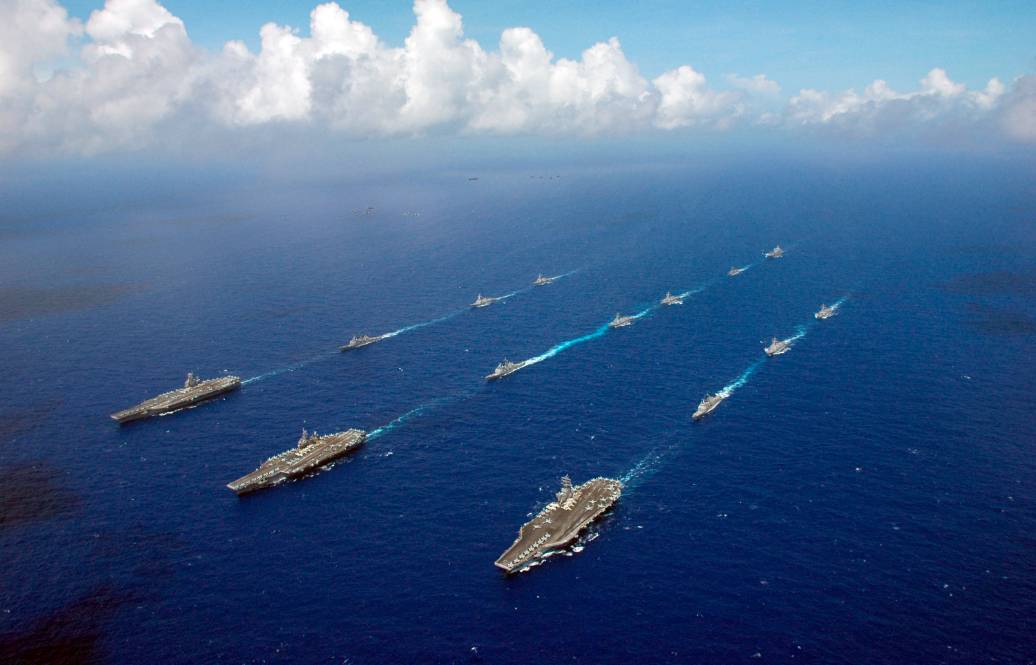
- South China Sea Exercises: Demonstrations of power projection and amphibious capabilities in contested waters highlighted the strategic importance of modern amphibious operations.
- European Defense Collaboration: Joint exercises among NATO members focus on improving interoperability in amphibious strategies to defend against potential aggressions.
Future Trends
The future of amphibious warfare will likely see further integration of unmanned systems, enhanced AI capabilities, and improved cyber warfare strategies. The development of next-generation amphibious vehicles and autonomous logistics support systems will play a crucial role in shaping future military doctrine.
New Technologies on the Horizon
Several new technologies are expected to revolutionize amphibious operations:
- Hydrofoils: These high-speed watercraft can significantly reduce transit times from ship to shore, enabling rapid deployment of troops and equipment.
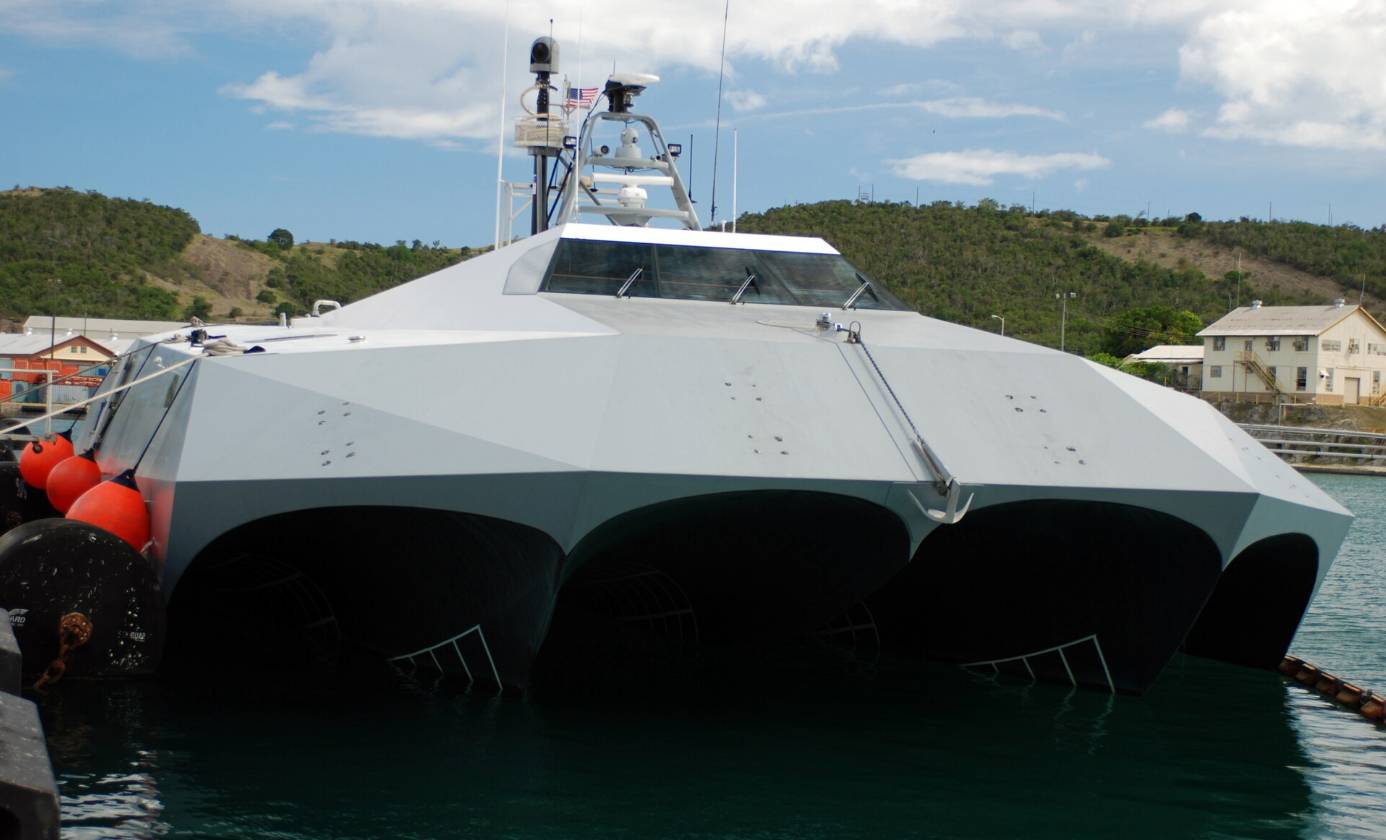
- Stealth Technology: Advances in stealth technology will improve the survivability of landing craft and reduce the chances of detection by enemy forces.
- Exoskeletons: Wearable robotic suits that enhance soldiers’ strength and endurance, allowing for increased mobility and carrying capacity.
Detailed Specifications
Below is a table summarizing the detailed specifications of some key technologies in modern amphibious operations:
| Technology | Specification | Capability |
|---|---|---|
| UAV | Range: 1000 km | Surveillance, Target Acquisition, Electronic Warfare |
| AAV | Speed: 20 knots (water), 72 km/h (land) | Troop Transport, Fire Support |
| GPS | Accuracy: 1-3 meters | Navigation, Coordination |
| Satellite Communication | Bandwidth: 500 Mbps | Command and Control, Secure Communication |
In conclusion, the concept of a modern ‘D-Day’ landing is a compelling blend of history, technology, and strategy. As the global security environment continues to evolve, so too will the tactics and technologies employed in amphibious operations. Understanding these advancements is crucial for anyone interested in the future of military strategy and operations.