

Naval ship classes are often described with lazy shorthand: corvettes are small, frigates are medium, and destroyers are large. That framing is convenient, but it misses the real engineering story. In modern fleets, the distinction between these combatants is not just displacement. It is about mission set, sensor and combat-system architecture, weapon depth, survivability, command and control capacity, and the ability to sustain operations in a contested electromagnetic and missile environment.
You Might Also Like
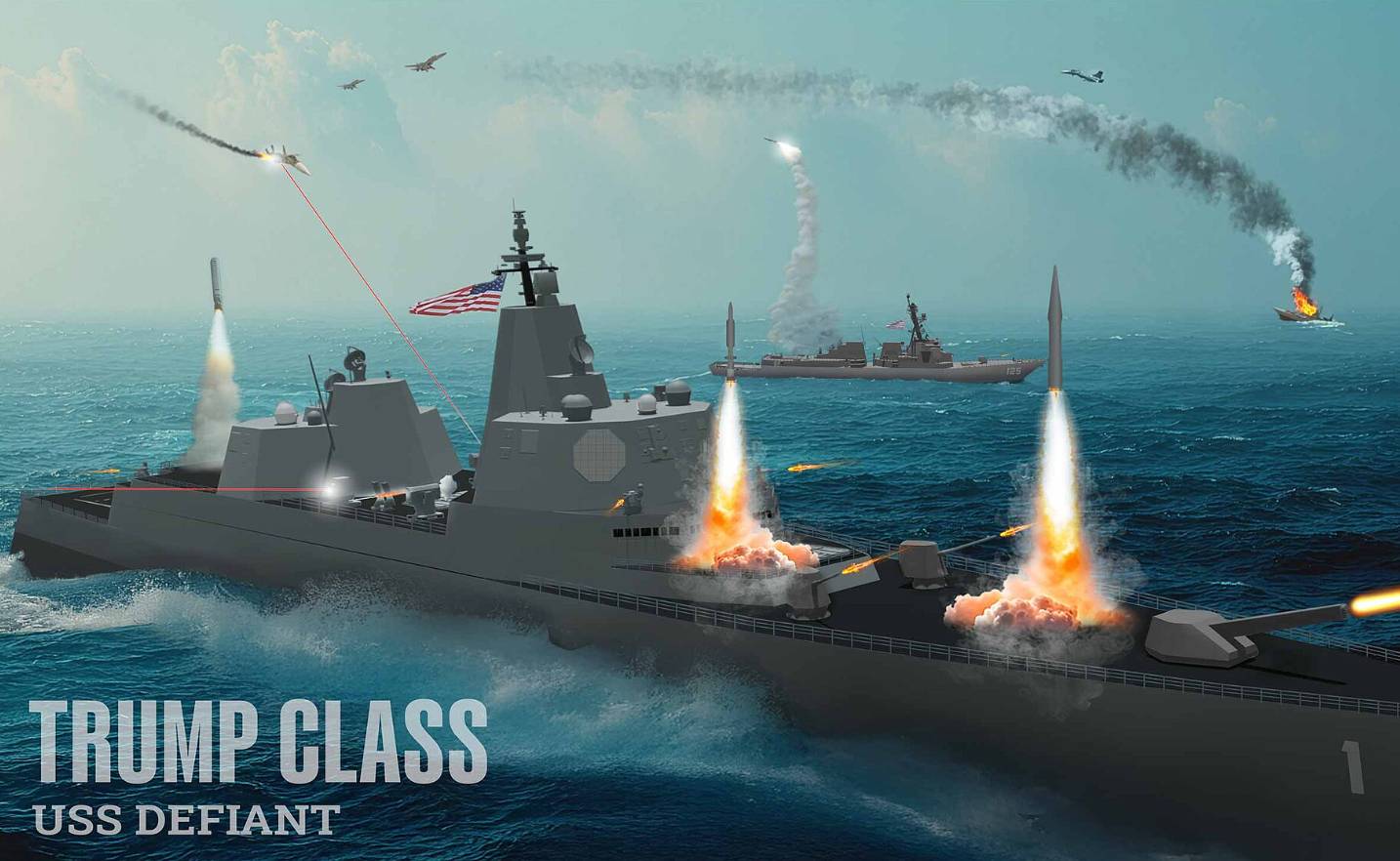
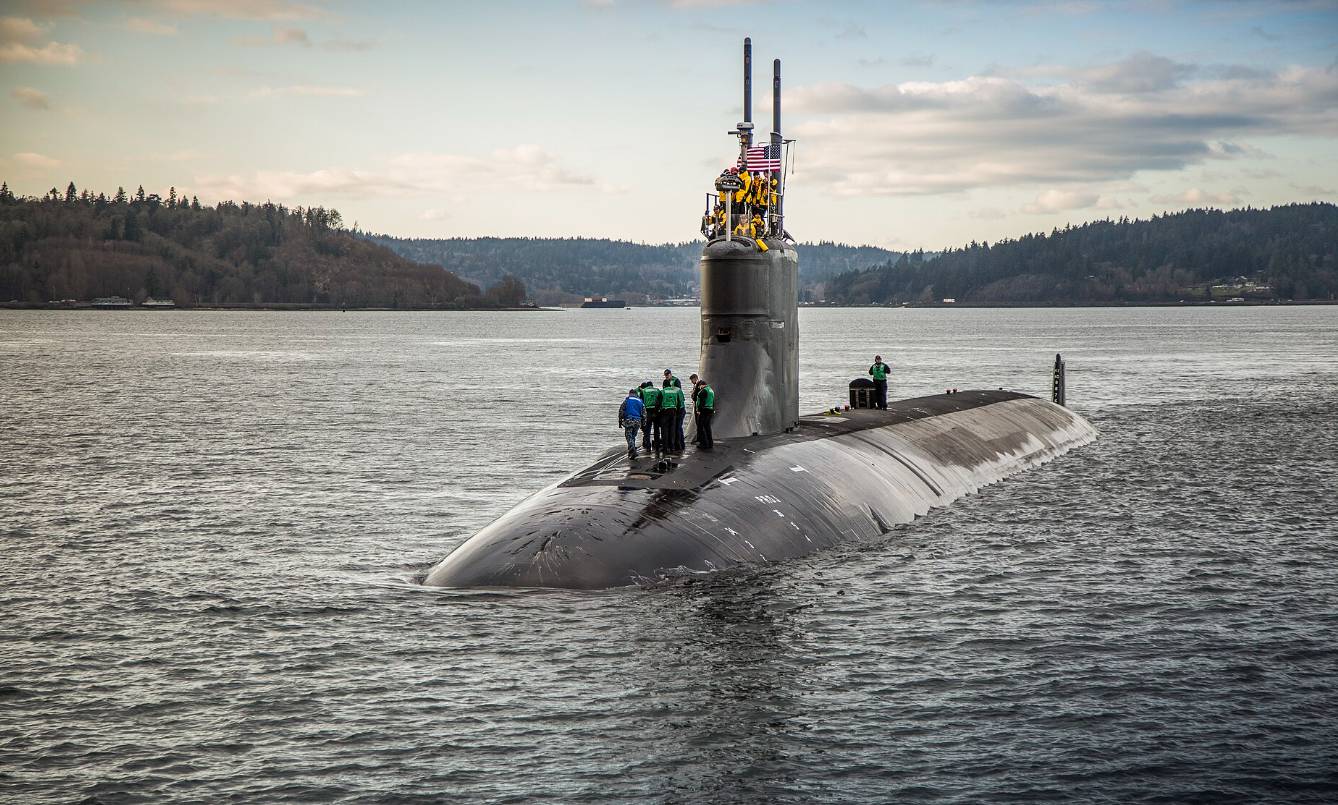
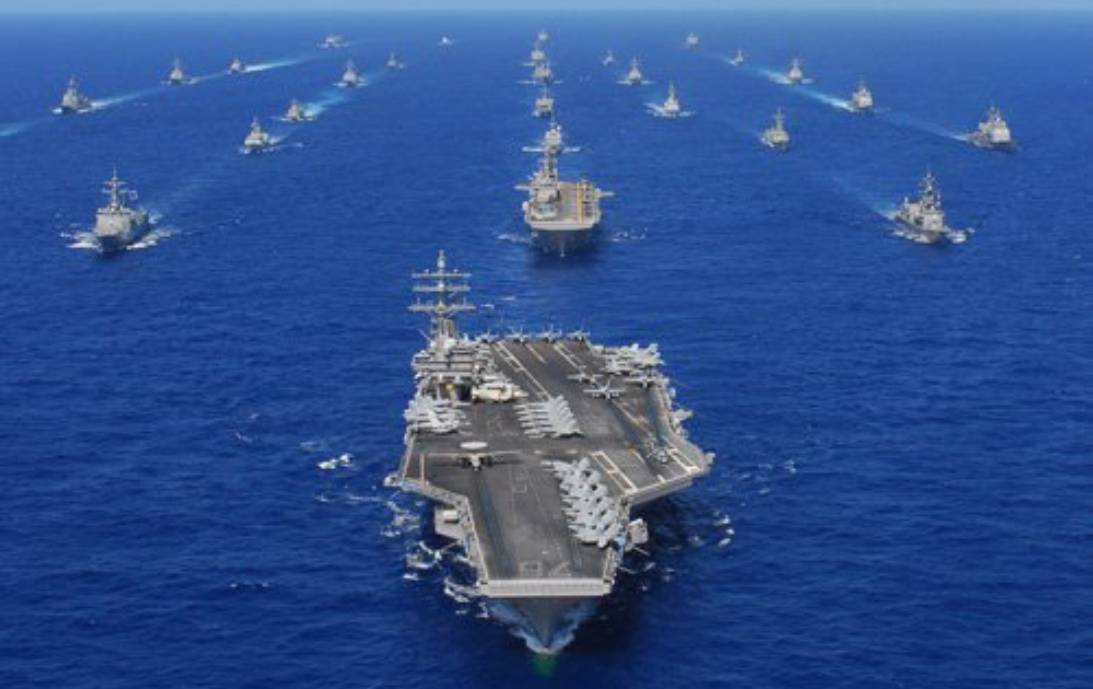
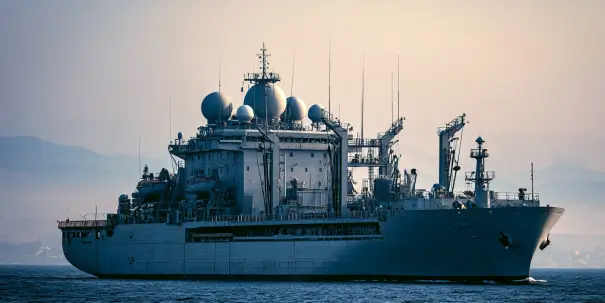
The boundaries between the three classes have blurred over the last 50 years. A modern frigate may carry area air-defense missiles and towed-array sonar, while a destroyer may be optimized for ballistic missile defense or land attack. Meanwhile, some corvettes now field anti-ship missiles, helicopters, and respectable radar suites that would have been cruiser-grade a generation ago. To understand the category labels, it is more useful to look at what the ship is designed to do rather than how many tons it displaces.
What a corvette really is
A corvette is generally the smallest true surface combatant used for blue-water or littoral warfare. Typical displacement ranges from about 500 to 3,000 tons, though some modern designs creep above that. The class is usually optimized for coastal patrol, anti-surface warfare, escort in lower-threat environments, and sovereignty missions. In technical terms, corvettes trade range, endurance, and layered defense for lower cost and a smaller crew footprint.
Because hull volume is limited, designers face hard trade-offs. A corvette can carry a powerful anti-ship missile battery, but then it may have only a short-range surface-to-air missile system and a modest sonar fit. A helicopter deck is common, but a hangar may be omitted on the smallest examples. The result is a platform that can be dangerous offensively, but often has limited resilience against saturation attack, submarine threat, or extended operations far from support.
Frigates: the flexible workhorses
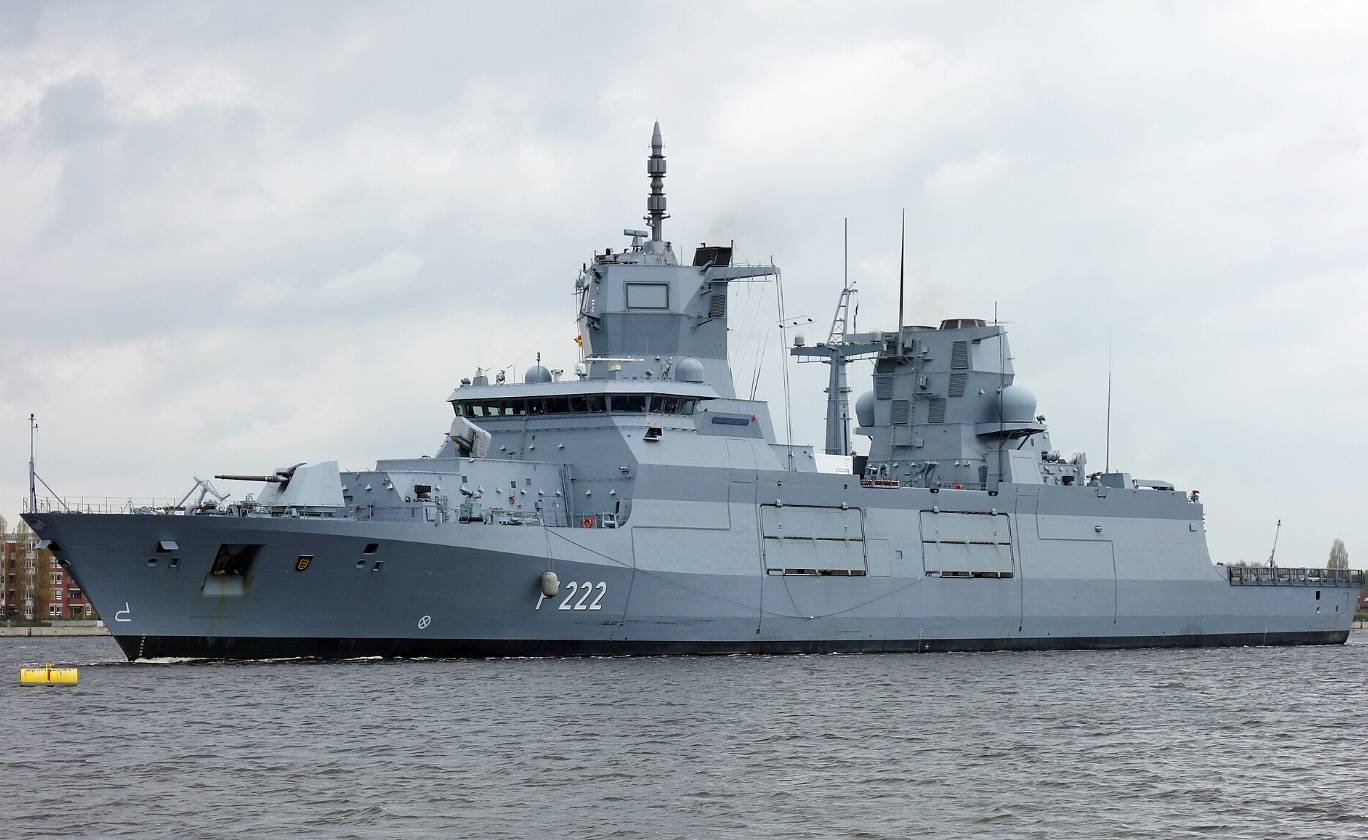
Frigates occupy the middle ground, but that phrase undersells their importance. Modern frigates typically displace about 3,000 to 7,000 tons and are designed as multi-mission escorts. They are often the fleet’s primary anti-submarine warfare ships, convoy protectors, and general-purpose combatants. In many navies, the frigate is the platform most likely to be deployed routinely because it balances capability, cost, and maintainability.
The frigate’s defining feature is not size but balance. A capable frigate usually has:
- A medium- to long-range air-search radar
- A sonar suite, often including a hull sonar and towed array
- Vertical launch cells for surface-to-air missiles and sometimes land-attack or anti-ship weapons
- A medium gun, typically 57 mm or 76 mm
- Hangar space for one helicopter and sometimes unmanned aerial systems
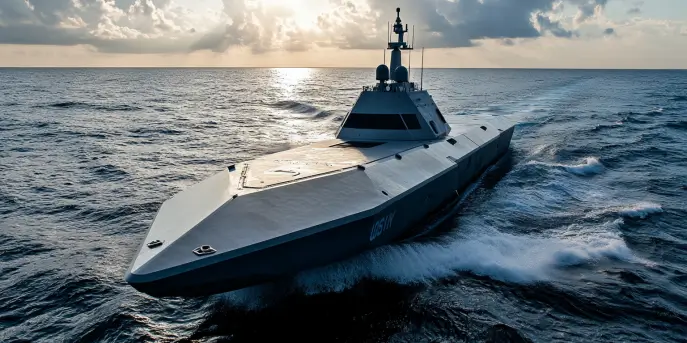
Frigates are also where stealth shaping and sensor fusion matter most. Many newer designs use reduced radar cross-section geometry, enclosed masts, composite superstructures, and integrated combat systems. The goal is not invisibility, but delayed detection and faster first-shot opportunity. In a high-end maritime fight, the ship that detects, classifies, and engages first often survives.
Destroyers: the heavy hitters of the escort fleet
Destroyers are the most capable of the three classes in terms of sensors, weapons, and power generation. Modern destroyers commonly range from 7,000 to 12,000+ tons, though some exceed that. Historically, destroyers were torpedo boat hunters; today they are often the fleet’s primary air-defense and strike platforms. They are also the class most likely to host advanced radar arrays, large missile batteries, and the electrical margin required for future directed-energy or high-power electronic warfare systems.
The destroyer’s hallmark is not simply more missiles, but more of everything that matters: more radar aperture, more electrical generation, more combat system cooling, more command-and-control space, more magazine depth, and more survivability features. A destroyer can often simultaneously manage area air defense, anti-submarine warfare, anti-surface warfare, and land attack in a way a frigate cannot sustain under combat conditions.
In several navies, destroyers are built around a primary air-defense mission. Their large phased-array radars, whether rotating or fixed-face, give them wide-area tracking and missile guidance capacity. That makes them the natural choice for escorting aircraft carriers, amphibious groups, and other high-value units. They are also the most likely surface combatants to be integrated into ballistic missile defense networks, which demands significant radar processing power and intercept inventory.
Why displacement alone is a misleading metric
Two ships with the same tonnage can perform very differently. A 4,500-ton frigate optimized for anti-submarine warfare may be more tactically useful in convoy escort than a 6,000-ton corvette packed with anti-ship missiles but limited endurance. Likewise, an 8,000-ton destroyer without a robust combat system or sufficient missile inventory may underperform a smaller but better balanced escort.
There are several reasons tonnage is an incomplete measure:
- Internal volume allocation: Sensors, magazines, aviation facilities, and damage-control systems consume space differently.
- Power generation: High-end radars and electronic warfare systems require substantial electrical margins.
- Endurance: Fuel and stores determine how long a ship can remain on station.
- Survivability: Compartmentation, redundancy, signature reduction, and damage-control automation vary widely.
- Combat system architecture: Software integration often matters more than raw hull size.
Representative comparison table
| Class | Typical Displacement | Main Role | Common Weapons | Typical Strengths | Typical Limitations |
|---|---|---|---|---|---|
| Corvette | 500-3,000 tons | Littoral patrol, anti-surface warfare, presence missions | 76 mm or smaller gun, anti-ship missiles, short-range SAMs, light ASW fit | Low cost, small crew, high offensive punch for size | Limited endurance, weak air defense, reduced growth margin |
| Frigate | 3,000-7,000 tons | Escort, ASW, multi-mission operations | Medium gun, VLS missiles, torpedoes, helicopter, towed sonar | Balanced capability, strong ASW, flexible mission set | Less air-defense depth than destroyers, limited payload vs. larger ships |
| Destroyer | 7,000-12,000+ tons | Area air defense, command ship, strike escort | Large VLS battery, advanced radar, medium/large gun, ASW weapons, EW suites | High sensor reach, large magazine, excellent command and control | High procurement and operating cost, larger crew, more complex maintenance |
Weapon fit tells the real story
The missile loadout is often the clearest indicator of what a ship can really do. Corvettes may carry 4 to 8 anti-ship missiles and a point-defense system. Frigates may mount 16 to 32 vertical launch cells plus anti-ship missiles and torpedoes. Destroyers can field 48, 64, 96, or even more VLS cells, creating the magazine depth required for prolonged high-intensity combat.
But missile count alone is not enough. The nature of the cells matters. Some launchers are designed for short-range self-defense interceptors; others can accommodate long-range area defense missiles, land-attack cruise missiles, or ASW rockets. A destroyer with a large mixed loadout can adapt to multiple threat axes during one deployment, while a smaller ship may have to choose between self-defense and offensive striking power.
Sensor suites and the air-defense problem
Air defense is where class differences become most visible. Corvettes typically rely on a compact radar and a short-range missile system to defend against aircraft, helicopters, and sea-skimming missiles at close range. Frigates can often provide local area air defense and, in some designs, contribute to wider fleet defense. Destroyers are the true area-defense ships, built to detect and engage threats at much greater range and to coordinate other ships, aircraft, and shore-based sensors.
Radar aperture and height above the waterline matter because of the radar horizon. Larger ships can mount more capable sensors higher, extending detection and engagement windows. That extra margin is critical against modern anti-ship missiles, which may fly fast, low, and with terminal maneuvering. In practical terms, more mast height, better processing, and more power often translate into seconds or tens of seconds of extra reaction time — a decisive advantage in missile combat.
Endurance, crews, and operating economics
Corvettes usually have the smallest crews and lowest operating cost, but they also have the least endurance and habitability. Frigates sit in the most economical sweet spot for many navies because they can patrol for long periods without the logistical burden of a destroyer. Destroyers, while expensive, justify their cost when the mission requires high-end command, defense, and strike functions.
Automation has changed crew numbers across all three classes. A modern frigate may operate with fewer sailors than a much smaller ship from the Cold War era because of improved machinery control, damage monitoring, and combat-system automation. Still, high-end warships remain manpower-intensive when compared with commercial vessels, especially if they are expected to absorb combat damage and continue fighting.
How navies choose among them
Navies do not buy these ships simply by size class. They buy them to solve specific strategic problems. A coastal navy focused on denial may prefer corvettes armed with anti-ship missiles and shore-based air cover. A blue-water navy needing convoy protection and submarine hunting will prioritize frigates. A carrier fleet or expeditionary navy will want destroyers for air defense, command-and-control, and strike coordination.
The most important lesson is that the names are historical, but the combat roles are contemporary. A ship’s class label gives a rough sense of size and mission, but the real measure of combat power is the integration of sensors, weapons, propulsion, power generation, and survivability engineering. In modern naval warfare, the winner is rarely the biggest hull. It is the platform that can see first, decide first, and survive long enough to fire again.