

The Evolution of Nuclear-Powered Ships
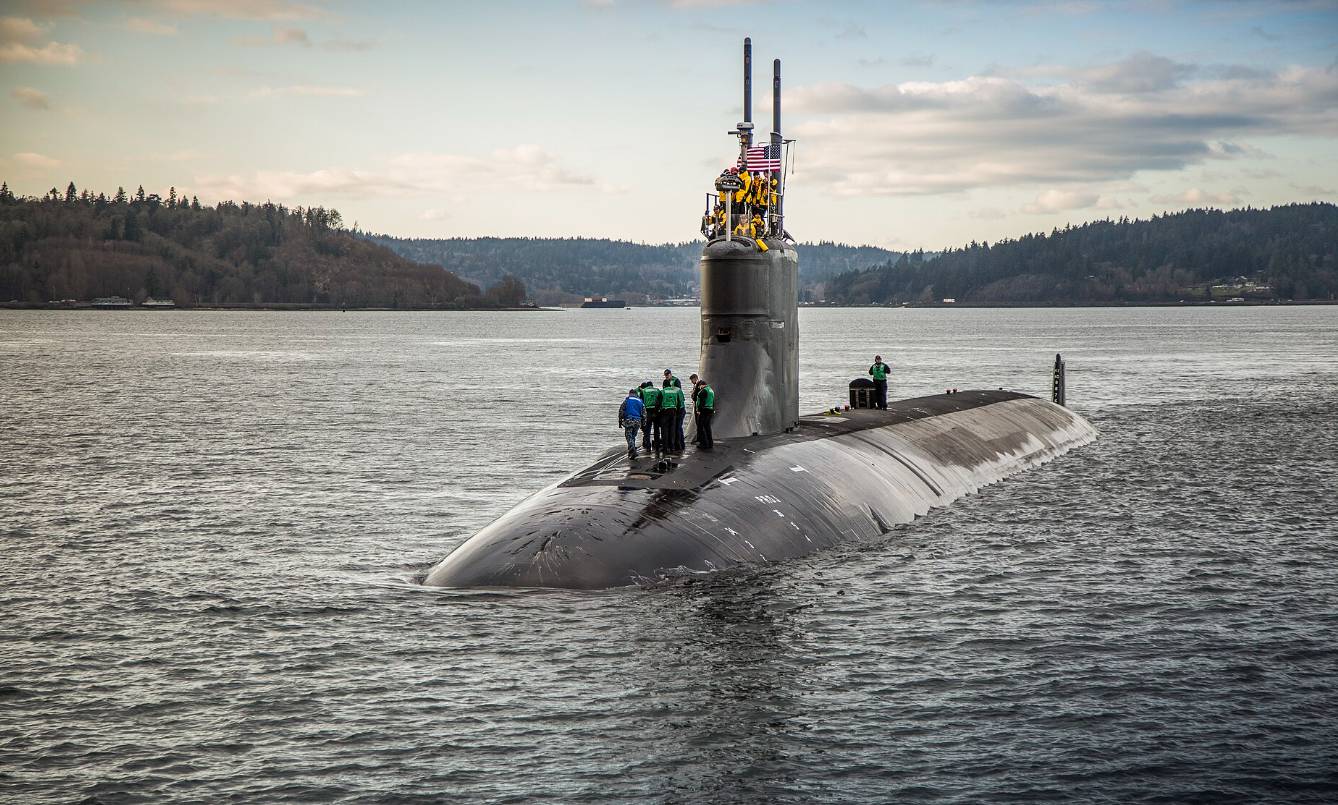
Nuclear-powered ships have long been synonymous with advanced technology, immense power, and ambitious engineering projects. Since the launch of the first nuclear-powered submarine, the USS Nautilus, in the 1950s, naval architects and engineers have constantly pushed the boundaries of these technological marvels. At the forefront of these advancements is the revolutionary RITM-400 reactor, a beacon of ingenuity and efficiency.
You Might Also Like

Understanding the RITM-400 Reactor
The RITM-400 reactor is the latest in a series of nuclear reactors developed by the Russian state corporation Rosatom. Designed specifically for use in modern nuclear-powered icebreakers and other large vessels, the RITM-400 is renowned for its compact size while delivering an impressive power output. Its design incorporates advanced safety features, including a passive safety system which independently operates in the event of a power outage, ensuring safe operations in all conditions.
| Specification | Details |
|---|---|
| Type | Pressurized Water Reactor |
| Thermal Power | 315 MW |
| Electric Power Generation | About 50 MW per reactor |
| Reactor Core Lifetime | 7 years with a potential for lifespan extension |
| Fuel Type | LEU (Low Enriched Uranium) |
The Role of Nuclear Icebreakers
Nuclear-powered icebreakers are essential for maintaining navigable routes in the Arctic, enabling year-round access to resources and transportation routes that would otherwise be inaccessible. The RITM-400 reactors have been pivotal in this regard, with their robust design supporting operations in some of the harshest conditions experienced on Earth.
A Game Changer: The Arktika Class Icebreaker
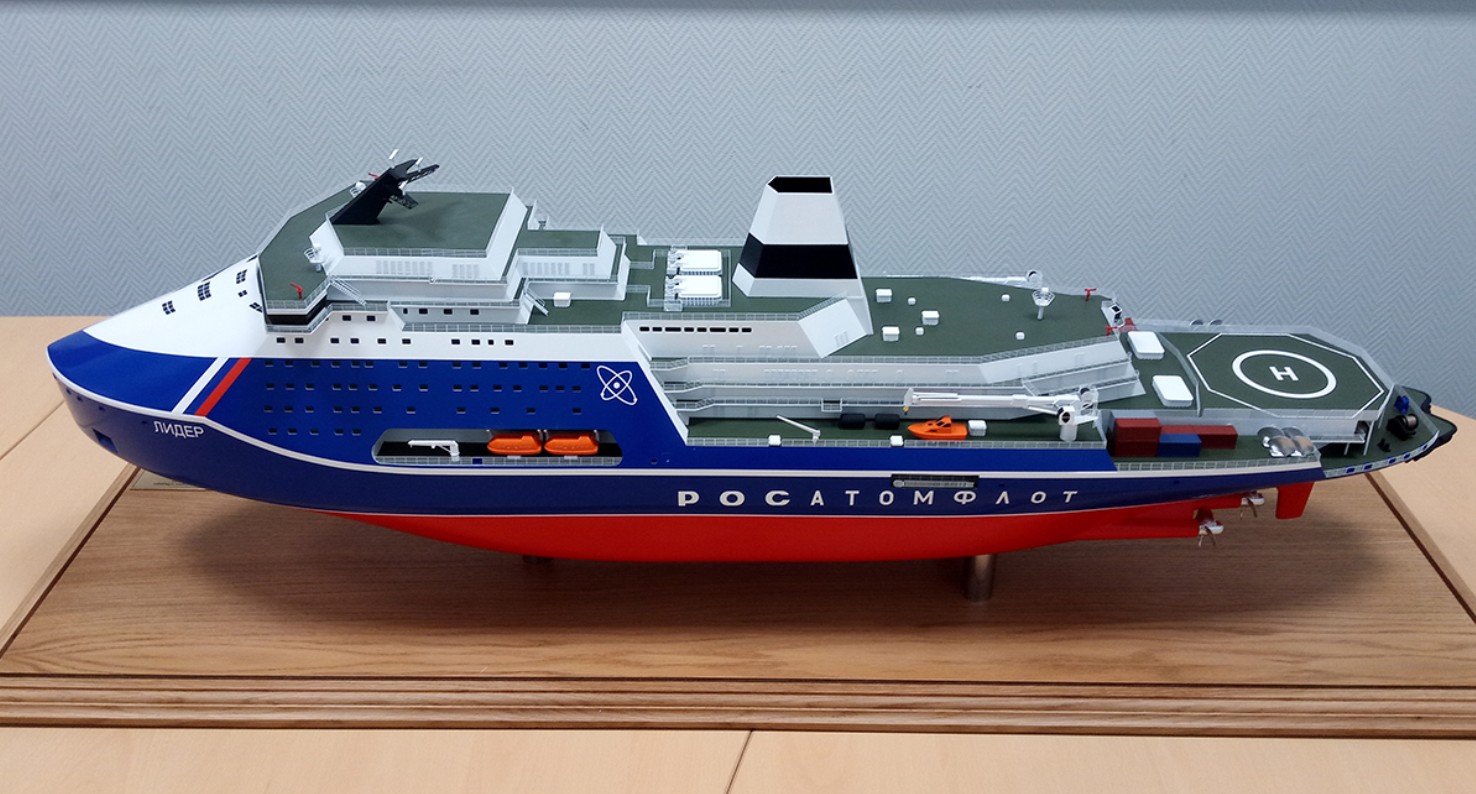
Among the vessels fitted with the powerful RITM-400 reactor is the Arktika class icebreaker. These immense ships are capable of breaking through ice up to three meters thick, making them indispensable for Arctic expeditions and supply missions. Each Arktika class vessel houses two RITM-400 reactors, leveraging their combined strength to deliver unparalleled performance and efficiency.
The Arktika class icebreakers are not just about power; they embody resilience and technological superiority. With state-of-the-art navigation systems and luxurious accommodations for crew and scientists, these ships are floating fortresses of progress, aiming to open the ice-clad doors of the Arctic and facilitate scientific and economic pursuits.
Technological Advancements and Environmental Impact
The integration of the RITM-400 within such vessels reflects the ongoing commitment to environmentally responsible technology. Nuclear propulsion systems reduce fuel consumption markedly and eliminate nearly all emissions compared to conventional diesel engines. This aspect is increasingly important as global efforts toward reducing carbon footprints intensify and the Arctic’s pristine environment demands protection.
- Efficiency: The reactor allows for reduced need for refueling, providing at least 7 years of continuous operation.
- Environmental Consideration: Utilizing nuclear power over fossil fuels significantly cuts down on harmful emissions.
- Cost Efficiency: While initial investments are substantial, long-term operations promise lower operational costs due to less frequent refueling and maintenance requirements.
The Future of Nuclear-Powered Shipping
The RITM-400 reactor represents a shift toward future orientations of maritime propulsion systems, promising transformative implications not just on nuclear icebreakers, but potentially across all types of large maritime vessels. As technology advances, scaling these reactors for use in cargo ships, cruise liners, and even military vessels could herald a new era of cleaner and more efficient shipping.
Global Perspective & Implications
Globally, the adoption of nuclear-powered ships is growing, driven by nations with significant interests in polar navigation and those seeking sustainable marine transport solutions. However, this technology is not without challenges – chiefly, international regulations surrounding the safe operation and disposal of nuclear materials; yet, ongoing innovation and the track record of safety successes reinforce optimism.
As nations reconsider their energy policies and environmental commitments, the RITM-400 and reactors like it are set to be cornerstones in the pursuit of greener technologies across all industries. The continued enhancement of these powerful engines of the sea will determine not just the efficiency of maritime travel, but also, significantly, the ecological legacy left for future generations.