


The Future of Aerial Defense
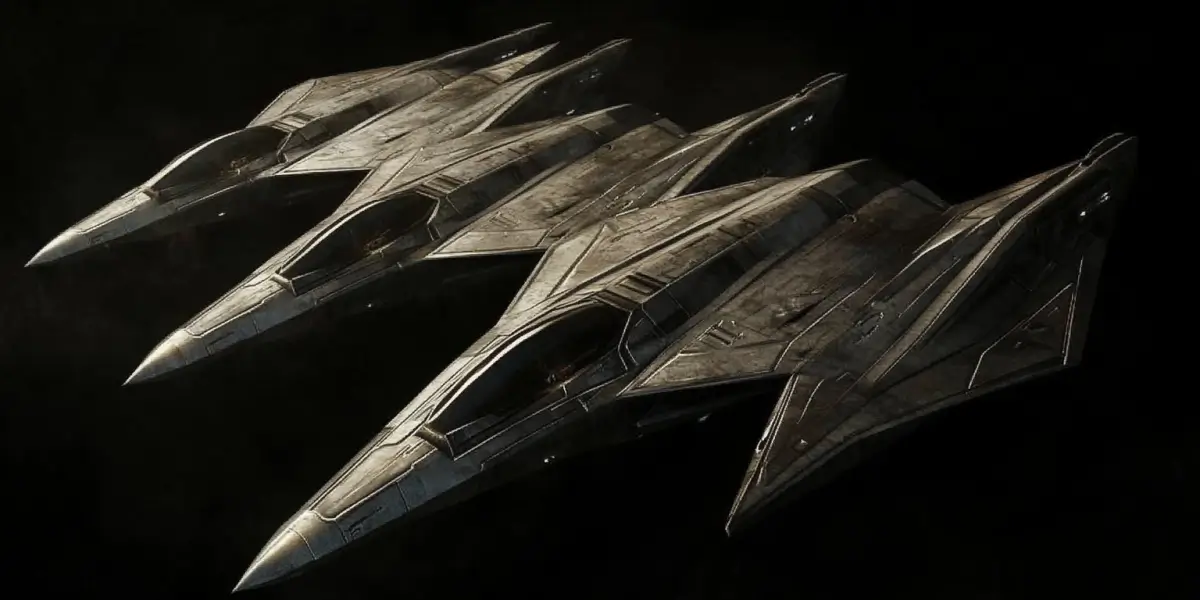
The advent of nano technology has revolutionized several industries, and military defense is no exception. The nano spear decoy represents a groundbreaking innovation in aerial defense tactics that promises to enhance the security and effectiveness of military aircraft operations. By employing this technology, planes can effectively ‘clone’ themselves, creating decoys to confuse and mislead adversaries. Let’s explore how this technological marvel operates and its potential impact on modern warfare.



Understanding Nano Spear Decoy Technology
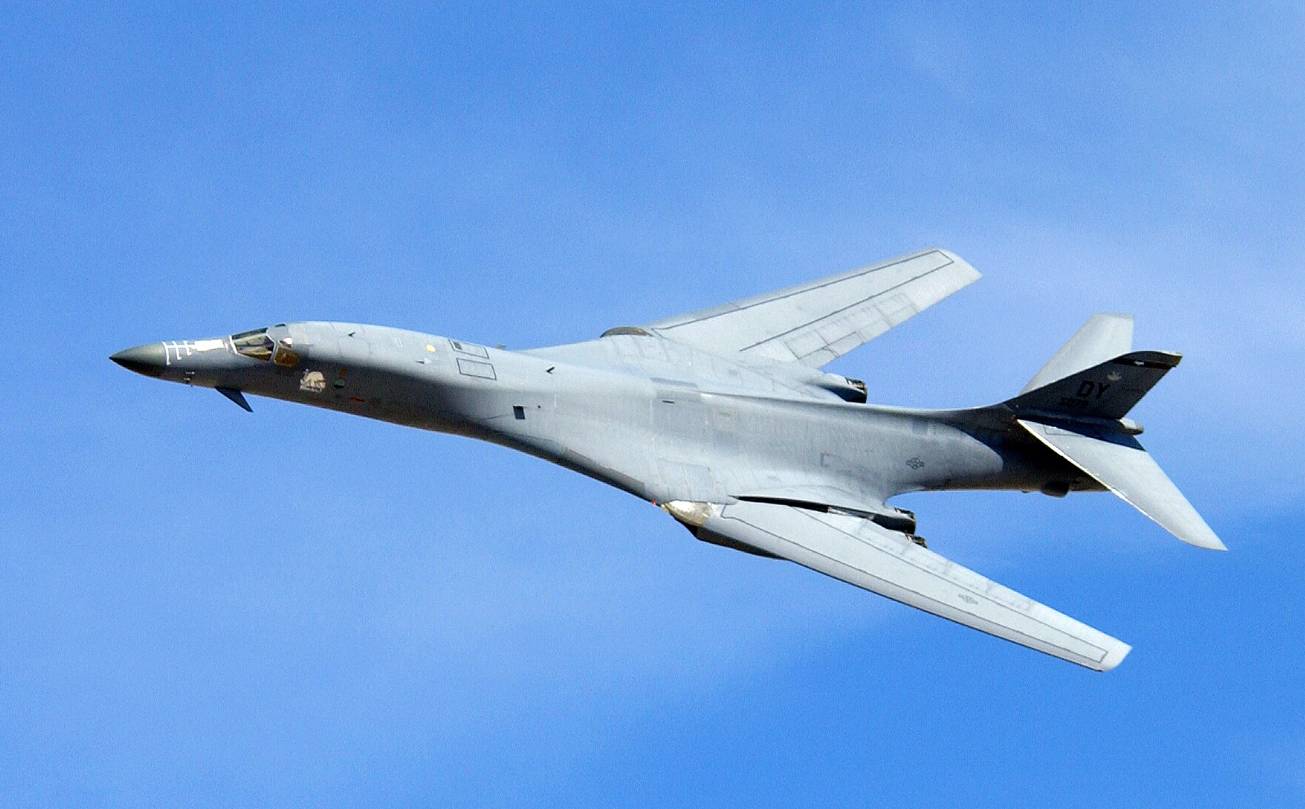
The nano spear decoy system is built on cutting-edge advancements in nanotechnology and artificial intelligence. It involves deploying a cloud of nano-sized particles, which are designed to reflect radar and infrared signals, creating multiple false images of the host aircraft. This makes it challenging for enemy radar systems to identify and lock onto the actual plane, thus acting as a sophisticated defensive shield.
These decoys are not just static; they are dynamic and adaptive. Equipped with AI algorithms, they can analyze the environment and modify their patterns to better imitate the aircraft’s movements and emissions, effectively ‘cloning’ the plane in the air.
Specifications and Technical Details
The following table highlights the essential specifications of a typical nano spear decoy system:
| Feature | Specification |
|---|---|
| Particle Size | 10-100 nanometers |
| Deployment Range | Up to 500 meters from aircraft |
| AI Capability | Real-time environmental analysis and pattern adaptation |
| Radar Reflection | High divergence across multiple frequencies |
| Infrared Mimicry | Multi-spectral emission simulation |
Enhancing Military Strategy
The strategic deployment of nano spear decoys can significantly alter the landscape of aerial combat. By creating multiple radar signatures, pilots gain critical time to perform evasive maneuvers or engage in offensive tactics. This can be particularly effective in environments where stealth and deception are paramount.
Additionally, the inclusion of AI allows these decoys to harvest and learn from encounters, improving future deployments and adapting to new threats. It’s a game-changer in terms of tactical flexibility, enabling aircraft to execute more complex operations with reduced risk.
Challenges and Considerations
Despite its numerous advantages, there are challenges associated with the implementation of nano spear decoy systems. One significant concern revolves around the need for seamless integration with existing aircraft platforms without negatively impacting their performance or stealth capabilities. Moreover, ensuring that these systems operate reliably in various environmental conditions, from high humidity to extreme temperatures, is another technical hurdle.
Cost is also a critical factor. Developing and deploying such advanced technology requires substantial investment in both research and production. Militaries must weigh these costs against the strategic benefits derived from enhanced aircraft survivability and operational success.
Future Implications
As the technology matures, nano spear decoys are expected to become a staple in the arsenal of modern military forces. Future enhancements may include the ability to deceive even advanced AI-based detection systems and incorporation with swarms of unmanned aerial vehicles (UAVs) for broader application.
The potential civilian applications of this technology should not be overlooked either, particularly in sectors such as aviation security and surveillance. Although currently focused on military applications, the foundational principles of deceptive technology could eventually protect commercial aircraft from hostile threats or aid in search and rescue operations.
Cultural and Ethical Considerations
This innovative approach to defense raises important ethical and cultural considerations. The ability to simulate, deceive, and mislead, while beneficial in military contexts, poses broader societal questions about the nature of security and privacy. As with many technological advancements, it is crucial to consider the long-term implications, ensuring that such technologies are used responsibly and that their development is guided by an ethical framework.
In conclusion, the nano spear decoy is poised to transform military aviation through sophisticated deception techniques. While challenges remain, the potential benefits to aerial defense strategy are undeniable. As nations strive to enhance their defensive capabilities, the role of nano technology in security and warfare will likely become ever more significant.