

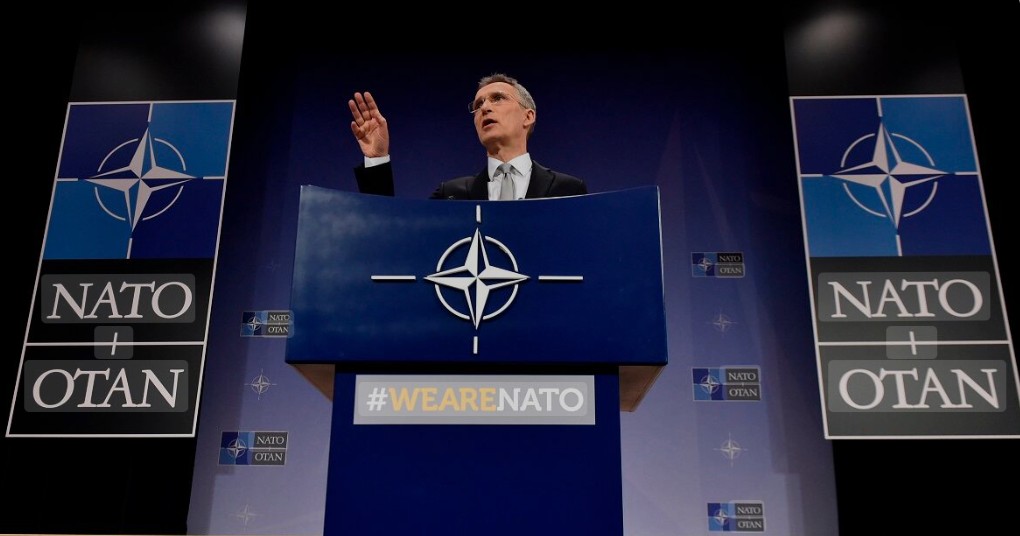
NATO, the North Atlantic Treaty Organization, has been a vital pillar of global security since its inception in 1949. Over the decades, the world has seen unprecedented changes in the geopolitical landscape, and NATO has continuously adapted to meet these challenges. A crucial part of this evolution has been the adaptation of its command structure.
You Might Also Like

The Evolution of NATO’s Command Structure
In the few decades since the end of the Cold War, NATO has undergone numerous transformations. During the Cold War, NATO’s command was straightforward and well-defined to counter the Soviet threat. However, with its dissolution, the alliance had to rethink its role and adapt its command structure to address emerging challenges such as regional conflicts, cyber threats, and terrorism.
- 1990s: A shift from pure defense to crisis management and peacekeeping operations.
- 2002: The Prague Summit saw the introduction of the NATO Response Force (NRF).
- 2010: The Lisbon Summit initiated a command structure reform to make NATO more agile.
A key milestone in the command structure adaptation occurred in 2011 when NATO realigned its structure to be more efficient. This involved reducing headquarters from 11 to 7, to streamline decision-making and improve crisis response times.
Key Features of the Current NATO Command Structure
The current structure is designed to be flexible and responsive:
- Allied Command Operations (ACO): This is responsible for the planning and execution of all NATO military operations.
- Allied Command Transformation (ACT): Focused on future strategic planning and the transformation of NATO’s military capabilities.
- Joint Force Commands (JFCs): Based in Brunssum, Naples, and Norfolk, these commands are responsible for operational troop movements and readiness.
| Feature | Description |
|---|---|
| Allied Command Operations | Headquarters supreme command responsible for operational missions. |
| Allied Command Transformation | Focused on strategies to adapt to future threats and modernize forces. |
| Joint Force Commands | Regional commands ensuring rapid deployment and operational success. |
Challenges and Considerations for NATO’s Command Structure Adaptation
NATO faces several challenges in its continual adaptation process. The rise of cyber warfare is one of the most pressing issues. NATO has recognized the cyber domain as a potential battlefield and is investing in enhanced cyber capabilities and defenses.
Moreover, geopolitical tensions, such as those with Russia, have necessitated a reevaluation of force postures and military strategy in Eastern Europe. The resurgence of hybrid warfare tactics further complicates the landscape, requiring NATO to blend conventional and unconventional military tactics.
NATO 2030: Future Directions
NATO 2030 is an initiative that envisions the alliance’s priorities and strategies in the coming decade. Some of the core focuses include:
- Reinforcing collective defense through enhanced deterrence measures.
- Integrating new technologies to maintain a strategic edge.
- Promoting transatlantic unity in addressing global challenges from a unified front.
With emerging technologies like artificial intelligence and autonomous weapon systems, the NATO command structure must remain at the forefront of defense innovation. Cooperative initiatives among member countries regarding intelligence sharing and technological advancements are paramount.
As NATO looks towards its future, sustaining and enhancing partnerships will be crucial. Political cohesion within the alliance will be vital in addressing internal disagreements and ensuring collective action against external threats.
The Path Forward
NATO’s ability to adapt its command structure consistently has been instrumental in maintaining its relevance. As the security landscape evolves with challenges such as climate change and geopolitical shifts, NATO’s continued adaptation will be critical. Building resilience in military and civilian sectors against various threats will define NATO’s effectiveness in the coming years.
In conclusion, NATO’s future directions in command structure adaptation are poised to fortify its role as a cornerstone of global security, championing peace and stability through strategic agility and cooperative dynamics.