

The infantry fighting vehicle is one of the most unforgiving design challenges in modern land warfare. It has to move fast, carry a squad, survive battlefield punishment, support dismounted troops with direct fire, and do all of that across mud, dust, urban rubble, and open terrain without turning into a maintenance nightmare. So when a next-generation IFV enters military service, it is never just a routine procurement milestone — it is a statement about how an army expects to fight in the years ahead.

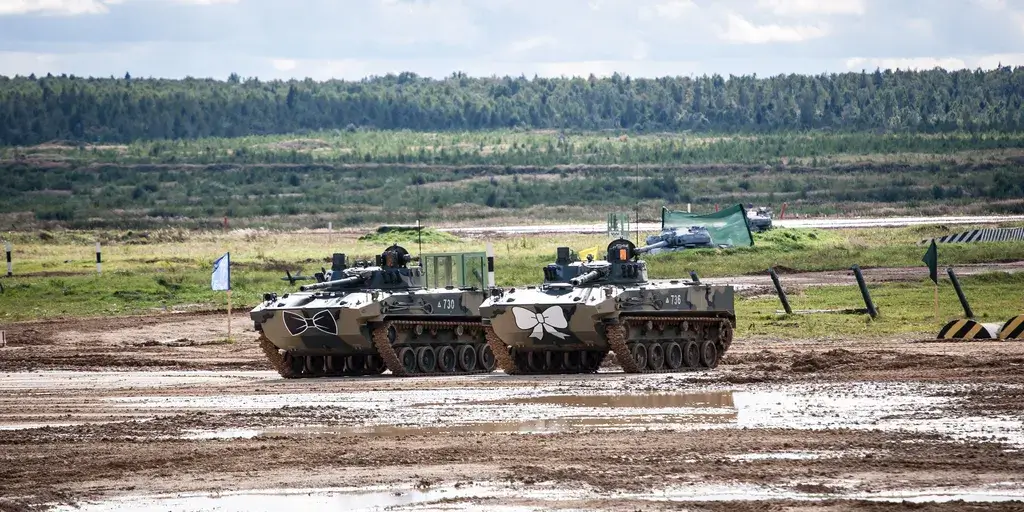

This new class of IFV represents a major leap beyond legacy tracked troop carriers and even many current-generation combat vehicles. We are talking about a machine designed around modular armor, powerful digital networks, enhanced survivability, and a weapon system that can deliver serious punch while the vehicle itself stays mobile and protected. In other words: less “armored taxi,” more “mobile combined-arms node.”
A New Standard for the Infantry Fight
The core mission of an infantry fighting vehicle has not changed, but the engineering behind it absolutely has. The next-generation IFV is built to do three things exceptionally well: keep the crew and passengers alive, keep pace with fast-moving maneuver units, and put precision fire on targets the moment they appear. That sounds simple until you try to balance protection, mobility, firepower, and transport capacity on one chassis.
Compared with older IFVs, the new vehicle typically brings a much more sophisticated protection suite. That often includes:
- Modular composite armor for scalable protection levels
- Active protection systems designed to intercept anti-tank threats
- Spall liners and blast-resistant seating to improve crew survivability
- Signature management measures to reduce detectability
That combination matters because the battlefield has become far more lethal. Top-attack munitions, loitering munitions, advanced anti-tank guided missiles, and drone-assisted targeting have forced armored vehicle designers to think beyond thick steel. The result is an IFV that is not just harder to kill, but harder to target in the first place.
Firepower That Matches the Mission
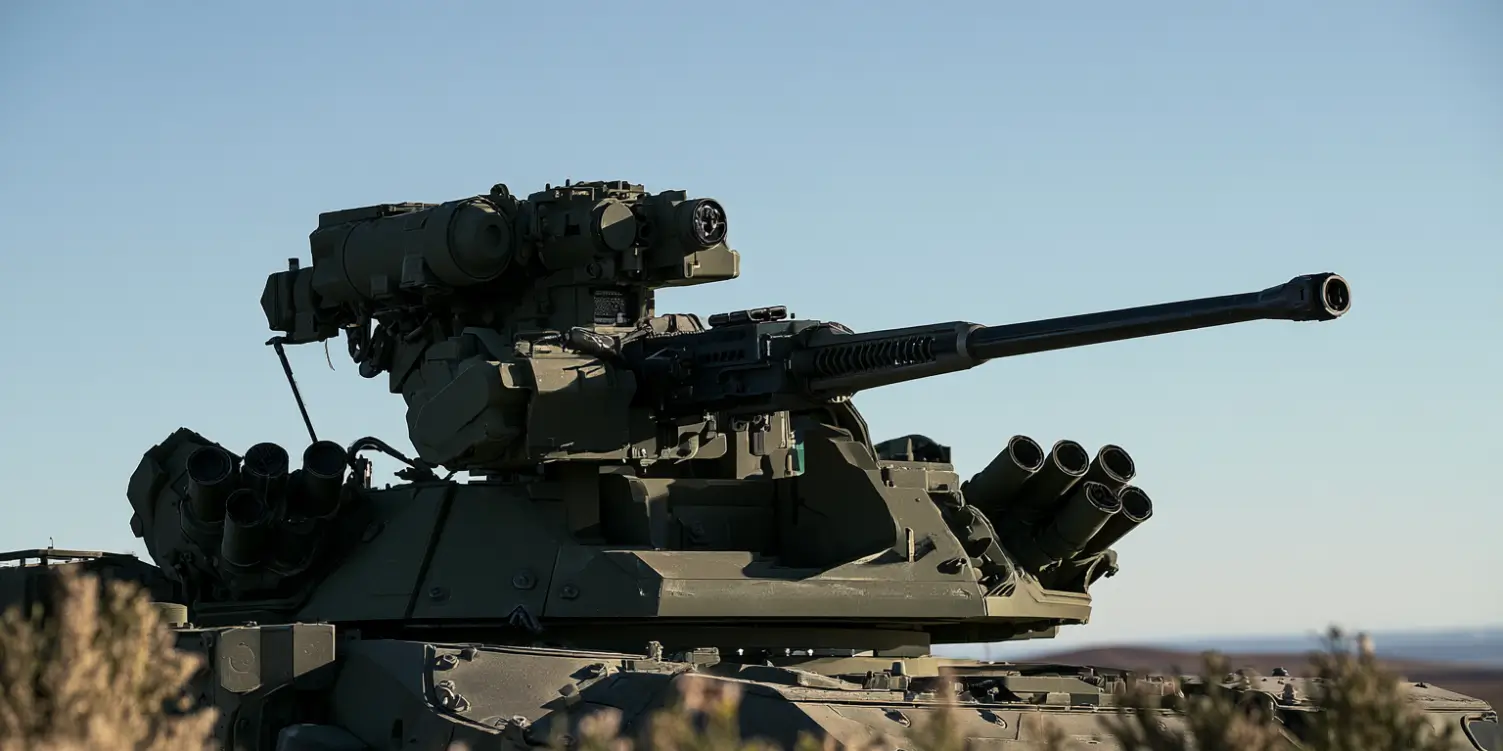
If there is one place where next-generation IFVs really show off, it is the turret. Modern combat vehicles are no longer limited to a basic autocannon and coaxial machine gun. Today’s turret systems are often remote, stabilized, and fully integrated into the vehicle’s sensor suite, allowing the gunner to engage accurately while moving over rough terrain.
Depending on the configuration, a next-generation IFV may be armed with:
- A 30 mm, 35 mm, or 40 mm automatic cannon
- A coaxial machine gun for soft targets and suppression
- Anti-tank guided missiles for armored threats at extended range
- Smoke grenade launchers for concealment and break-contact maneuvers
The real magic is not just the gun itself, but the fire-control system behind it. Thermal sights, day cameras, laser rangefinders, ballistic computers, and hunter-killer capability allow the vehicle commander and gunner to detect, identify, and engage targets with very little delay. In practice, that means the IFV can support infantry in close combat, destroy enemy light armor, and even threaten heavier vehicles when carrying missiles.
Some variants also feature programmable airburst ammunition, which is a huge deal in urban combat and anti-drone roles. Instead of relying on brute force alone, the vehicle can detonate rounds at a precise point in space, making it possible to engage enemies behind cover or in elevated fighting positions. That is exactly the kind of leap that turns a good IFV into a battlefield problem-solver.
Mobility Without Compromise
One of the hardest balancing acts in armored vehicle design is mobility. Add armor and survivability systems, and the vehicle gets heavier. Add weapons and ammunition, and it gets heavier still. But if it becomes too slow, it loses the ability to keep up with tanks, exploit breakthroughs, or reposition before enemy fires arrive.
That is why the newest IFVs usually pair a high-output diesel engine with an advanced suspension system and drivetrain tuned for off-road performance. Hydropneumatic or torsion-bar suspension, wide tracks, and improved power-to-weight ratios help the vehicle maintain speed and stability across broken terrain. The result is not just a fast vehicle on paper, but one that can actually handle the chaos of real combat.
In many designs, the chassis is also built with growth in mind. Extra electrical power, cooling capacity, and under-armor volume allow the platform to accept future upgrades such as directed-energy counter-drone systems, more powerful sensors, or heavier weapon stations. That modularity is a huge advantage because it means the vehicle can adapt as threats evolve rather than becoming obsolete after a single procurement cycle.
Digital Battle Space Integration
The modern IFV is as much a data platform as it is a gun platform. That may sound dramatic, but it is completely accurate. These vehicles increasingly rely on secure digital architecture to link sensors, commanders, dismounted infantry, artillery observers, drones, and other combat vehicles into one coordinated fight.
That networking capability brings several concrete advantages:
- Faster target handoff between vehicles and command posts
- Better situational awareness for the crew and infantry squad
- Reduced reaction time against ambushes and pop-up threats
- Improved integration with unmanned aerial systems and reconnaissance assets
In practical terms, an infantry squad inside the vehicle may arrive at the fight already aware of enemy positions, likely avenues of approach, and possible anti-armor threats. That is a completely different tactical environment from the old days of relying on voice radio and visual contact alone. The new IFV can become a miniature command and control hub, feeding the combined-arms picture back to higher headquarters while also receiving updated mission data in real time.
Survivability in the Age of Drones and Precision Weapons
If there is one thing shaping armored vehicle design right now, it is the threat from above and the threat from afar. Drones have changed the detection game, and precision-guided weapons have changed the survivability game. A next-generation IFV has to assume it is being watched, tracked, and targeted more or less continuously.
That is why modern survivability goes beyond passive armor. Designers are increasingly focusing on layered defense:
- Detection through sensors and warning receivers
- Disruption through smoke, obscurants, and electronic countermeasures
- Defeat through active protection systems or hard-kill interceptors
- Damage control through fire suppression and isolated ammunition storage
Some IFVs also incorporate roof protection enhancements, because the top armor has become a prime concern in the drone era. That might include reinforced panels, slat or cage elements in certain roles, or active countermeasures designed to deal with incoming munitions before impact. No single solution is perfect, but the layered approach is a major step forward.
Another important feature is maintainability after a hit. Even if a vehicle is damaged, the goal is often to keep the crew alive, prevent catastrophic loss, and enable rapid recovery. A vehicle that can be repaired and returned to service is worth more than a destroyed one, especially in prolonged high-intensity conflict.
Why Infantry Still Matters
All the armor, sensors, and firepower in the world do not replace infantry. In fact, the whole point of the IFV is to make infantry more effective. The vehicle gets them to the fight, shields them from the worst of the battlefield, and then provides the direct fire support that helps them maneuver once they dismount.
That is what makes a next-generation IFV such a fascinating piece of military engineering. It is not merely about replacing an older vehicle with a shinier one. It is about rethinking how infantry, armor, drones, and digital command systems operate together at the tactical edge. The vehicle becomes both shield and sword: a protected mobility platform and a precision weapons system rolled into one.
For armies modernizing under intense threat environments, that matters enormously. Urban combat, peer conflict, and dispersed operations all demand platforms that can survive first contact and keep contributing after the shooting starts. A next-generation IFV is built for exactly that kind of fight.
The Bigger Strategic Picture
The arrival of a new IFV in military service also tells us something broader about where ground warfare is heading. Armies are investing in platforms that can operate in contested electromagnetic environments, share targeting data with unmanned systems, and survive in an era where even rear areas are no longer safe. The next-generation IFV is therefore part of a much larger shift toward networked, sensor-rich, highly survivable land combat systems.
It is also a reminder that armored warfare is not fading away — it is evolving. Tanks still matter. Infantry still matters. Artillery still matters. But the platforms that tie all of them together have to be smarter, better protected, and more adaptable than ever before. That is the promise of the next-generation IFV.
And if the early service entry lives up to the design goals, troops riding inside may soon enjoy something previous generations could only dream of: a vehicle that is powerful enough to fight for them, smart enough to warn them, and tough enough to bring them home.