

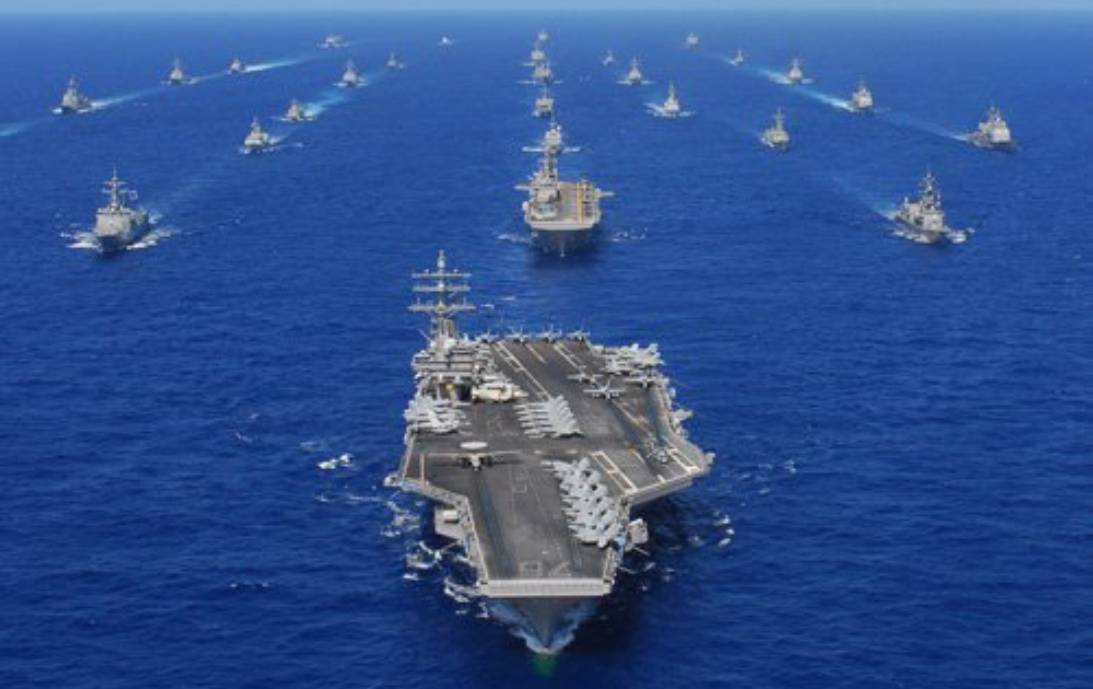
The U.S. Pacific Fleet remains the Navy’s largest operational fleet command and the principal maritime instrument of American power in the Indo-Pacific. Headquartered at Joint Base Pearl Harbor-Hickam in Hawaii, the fleet is responsible for a vast theater that stretches from the West Coast of the United States to the Indian Ocean. Its scale reflects not only geography, but also Washington’s strategic judgment that the Pacific is the decisive maritime arena of the 21st century.
You Might Also Like
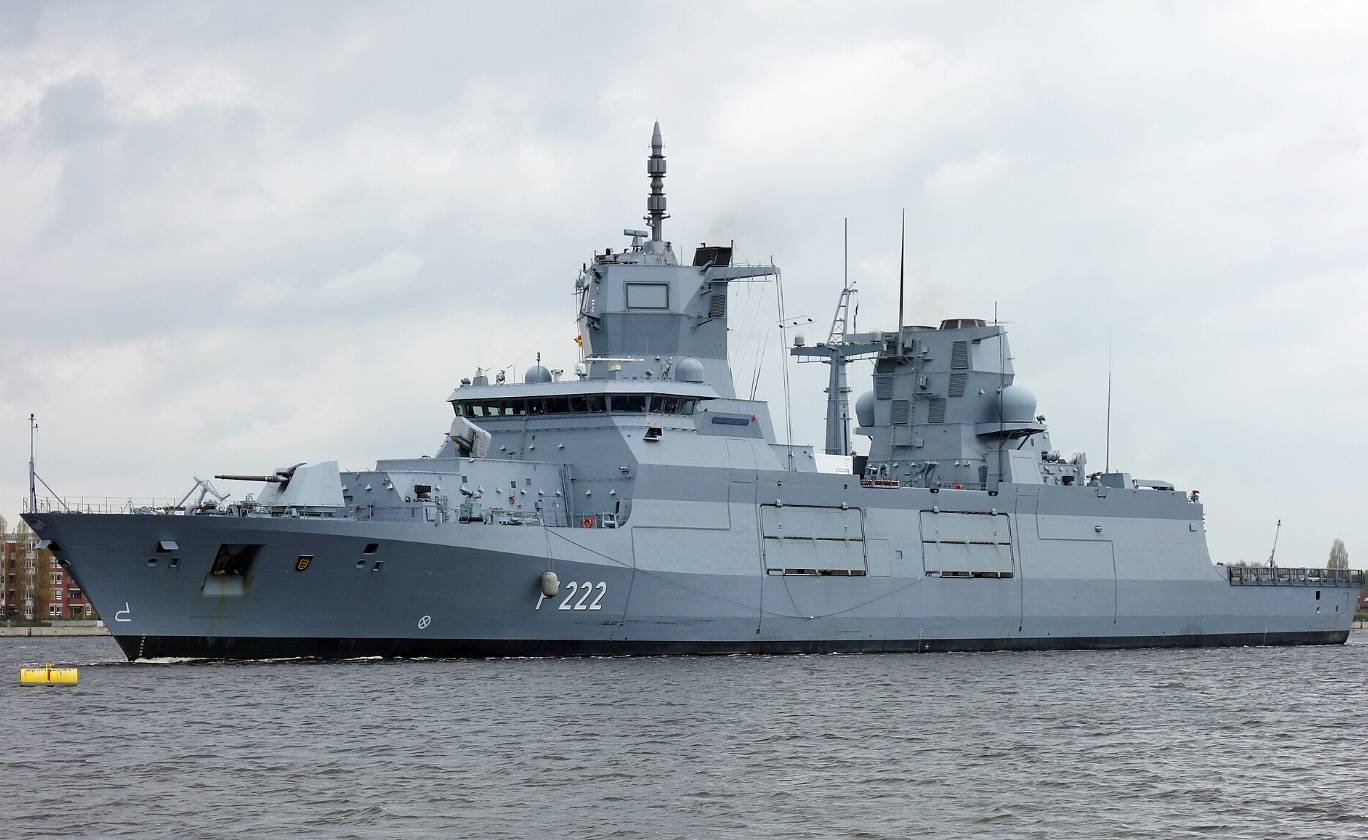
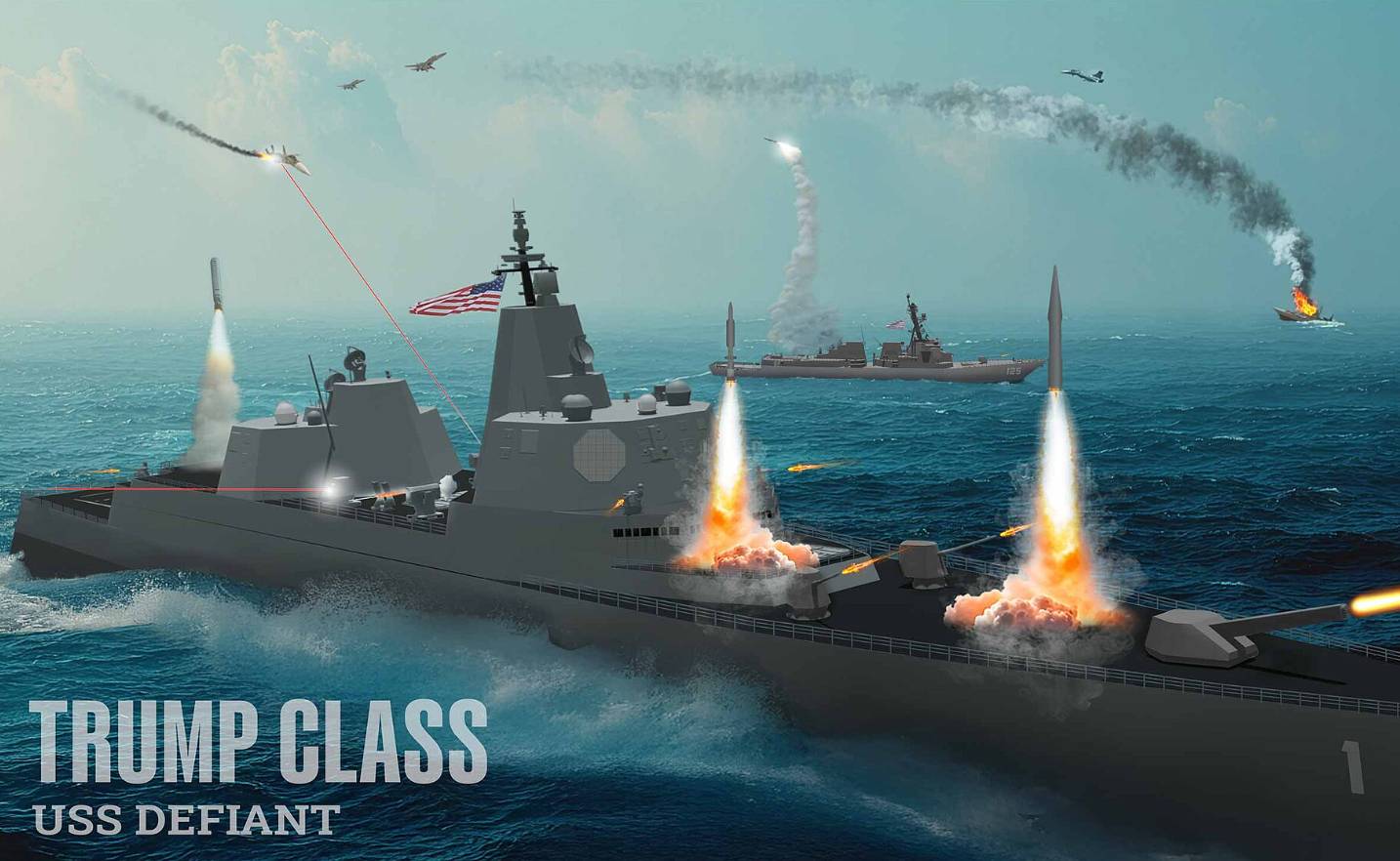
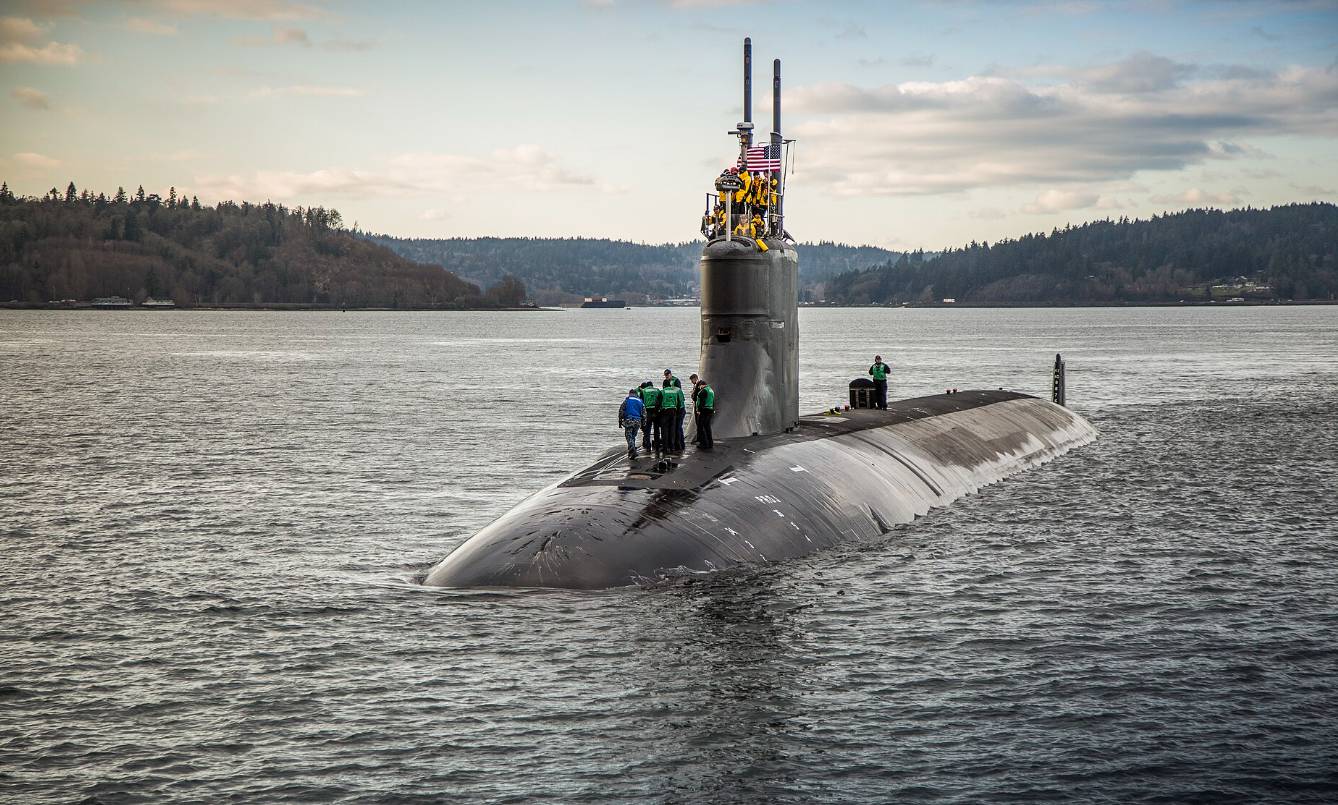
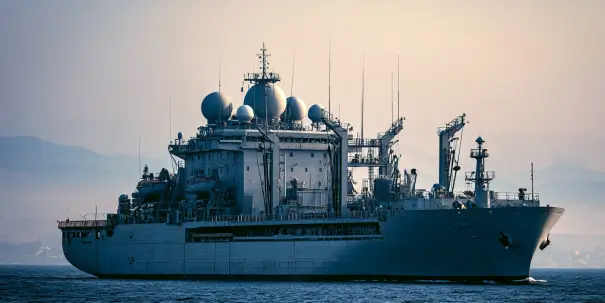
In practical terms, the Pacific Fleet is more than a collection of ships, submarines, aircraft, and sailors. It is the backbone of U.S. deterrence policy across East Asia, the guarantor of alliance credibility with Japan, South Korea, Australia, and the Philippines, and a forward-deployed force designed to contest any attempt to alter the regional balance by coercion. In an era of intensifying great-power competition, the fleet’s size is inseparable from the mission it must perform.
Strategic Geography and Operational Burden
The Pacific theater imposes a unique operational burden on U.S. naval forces. Distances are enormous, logistics are complex, and the dispersal of allies and partners across the region requires a fleet capable of sustained presence rather than episodic deployment. The Pacific Fleet must simultaneously support sea control, power projection, ballistic missile defense, antisubmarine warfare, mine warfare, undersea dominance, and expeditionary operations across multiple subregions.
This creates a force structure problem unlike that of any other U.S. fleet command. The fleet must be large enough to maintain persistent presence in the Western Pacific while preserving surge capacity for crisis response. It must also remain resilient in the face of anti-access/area denial systems fielded by peer competitors, particularly China. That challenge has driven greater emphasis on distributed maritime operations, smaller operating packages, integrated air and missile defense, and tighter linkage between naval and joint forces.
Why Size Matters in the Indo-Pacific
Fleet size in the Pacific is not a symbolic metric. It directly affects the Navy’s ability to complicate adversary planning and reassure partners. A larger fleet can sustain more carrier strike groups, amphibious ready groups, submarines, and logistical support vessels in theater. It can absorb losses, rotate units without creating gaps, and maintain operational tempo across multiple flashpoints.
That matters because the Indo-Pacific is not a single front. A contingency in the Taiwan Strait could coincide with tensions in the South China Sea, North Korea’s missile activity, or maritime pressure in the Philippine Sea. The Pacific Fleet must therefore function as a theater-wide force with the ability to shift emphasis rapidly while preserving combat credibility.
Key strategic effects of fleet size include:
- Deterrence through presence: visible naval power reduces the perceived likelihood of coercive action.
- Operational flexibility: more platforms enable wider dispersal and less predictability.
- Alliance assurance: partners interpret sustained U.S. maritime presence as evidence of commitment.
- Warfighting depth: a larger fleet provides greater magazine capacity, endurance, and replacement potential in combat.
Force Composition and Core Capabilities
The Pacific Fleet includes a mix of surface combatants, attack submarines, aircraft carriers, amphibious ships, maritime patrol aircraft, and logistics vessels. Among its most valuable assets are nuclear-powered submarines, which are especially well suited to the vast operating areas of the Pacific. Their stealth, endurance, and strike capability make them central to both deterrence and warfighting.
Carrier strike groups remain another pillar of Pacific Fleet power. Although vulnerable in a high-end conflict, carriers still provide flexible airpower, command-and-control capacity, and the ability to move rapidly between theaters. Amphibious warfare ships and Marine expeditionary units add a littoral dimension, enabling crisis response, embassy reinforcement, evacuation operations, and distributed expeditionary maneuver.
Meanwhile, destroyers and cruisers equipped with the Aegis combat system support air defense, missile defense, anti-submarine warfare, and strike missions. Logistics and replenishment ships, often overlooked in public debate, are equally critical. In the Pacific, endurance is a combat multiplier, and without robust underway replenishment the fleet cannot sustain tempo over long distances.
Table: Representative U.S. Pacific Fleet Capabilities
| Category | Representative Role | Strategic Value |
|---|---|---|
| Aircraft carriers | Sea-based airpower, command and control | Flexible strike and deterrence presence |
| Attack submarines | Stealth surveillance, strike, sea denial | Critical to undersea dominance and escalation control |
| Destroyers / cruisers | Air defense, missile defense, surface warfare | Layered protection for joint and allied forces |
| Amphibious ships | Expeditionary lift, crisis response, Marine operations | Littoral maneuver and forward presence |
| Logistics vessels | Fuel, ammunition, sustainment | Operational endurance across long distances |
| Maritime patrol aircraft | ISR, antisubmarine warfare, maritime domain awareness | Extended sensing over key maritime approaches |
Doctrine in the Age of Peer Competition
The Pacific Fleet is being reshaped by the demands of competition with China’s expanding naval and missile forces. The United States is moving away from a purely platform-centric model toward one centered on distributed lethality, survivable networks, and joint integration. That shift is intended to reduce the vulnerability of high-value units while increasing the fleet’s capacity to fight inside contested zones.
Under this approach, the fleet is expected to operate as part of a larger kill web that links sensors, shooters, and decision-makers across domains. Surface ships may no longer operate in concentrated formations without significant risk. Instead, they will increasingly disperse across wider areas, exploit concealment, and rely on rapid targeting data to mass effects rather than mass platforms.
This doctrinal evolution has important implications. It suggests the Pacific Fleet is not simply larger than other fleet commands; it is also the primary laboratory for the Navy’s transition to a more distributed, more resilient, and more networked form of maritime warfare.
Alliance Network and Forward Basing
No assessment of the Pacific Fleet is complete without recognizing the alliance system that underpins its effectiveness. U.S. naval power in the Pacific is multiplied by access agreements, rotational deployments, joint exercises, and shared basing. Japan is especially central, with its ports and facilities providing proximity to the East China Sea and the Taiwan Strait. Guam functions as a key forward hub, while Australia and the Philippines increasingly figure into U.S. dispersal and resilience planning.
These arrangements reduce operational distance and complicate adversary targeting. They also signal that U.S. naval power in the Pacific is embedded in a coalition architecture rather than operating alone. That has a deterrent effect, because any aggression against U.S. forces is more likely to trigger a broader regional response.
Still, alliance networks are not static. They require political maintenance, interoperability, and shared readiness. Exercises such as RIMPAC, bilateral anti-submarine drills, and multilateral maritime security operations are not ceremonial events; they are essential rehearsals for high-end conflict and coalition coordination.
Challenges Facing the Fleet
Despite its size, the Pacific Fleet faces persistent challenges. Ship maintenance backlogs, constrained shipbuilding rates, and the high operational tempo of forward deployment can erode readiness. Personnel retention and training quality also matter, especially when the fleet must master increasingly complex systems and tactics.
Moreover, the strategic environment is becoming more dangerous. China’s naval expansion, long-range precision strike systems, undersea warfare improvements, and anti-ship missile inventory all raise the cost of operating in contested waters. North Korea’s missile forces and Russia’s Pacific presence add additional instability. The result is a theater where the fleet must be large, technologically advanced, and institutionally adaptable at the same time.
Primary challenges include:
- Readiness and maintenance: sustaining availability across a dispersed force.
- Industrial capacity: replacing losses and modernizing platforms at speed.
- Logistics resilience: keeping ships fueled, armed, and repaired over long distances.
- Survivability: operating under constant missile, cyber, and ISR pressure.
- Command and control: preserving decision speed in a contested battlespace.
What the Fleet Signals Geopolitically
The size of the Pacific Fleet sends a clear message: the United States considers the Indo-Pacific the principal theater of strategic competition. It is where sea lanes, trade routes, alliance commitments, and military credibility converge. By maintaining the Navy’s largest fleet command there, Washington demonstrates that it views maritime power as essential to preserving a favorable balance of power.
For allies, this is reassuring. For adversaries, it is a reminder that any attempt to dominate the Western Pacific will face a durable, forward-deployed, and increasingly distributed American response. The Pacific Fleet’s scale is therefore both a military asset and a diplomatic signal.
In strategic terms, the Pacific Fleet is the U.S. Navy’s forward shield, strike arm, and alliance guarantor all at once. Its size is not merely a matter of force accounting; it is a reflection of the geographic, political, and operational realities of the Indo-Pacific. As long as maritime competition defines the region, the Pacific Fleet will remain the most consequential fleet command in the U.S. Navy.