

Few subjects in defense technology combine raw deterrence, strategic complexity, and engineering intensity quite like nuclear weapons. When people ask about the strongest nuclear powers, they are usually asking two different questions at once: who has the largest arsenals, and who has the most credible, survivable, and modern nuclear forces. Those are not always the same thing. In the nuclear realm, numbers matter, but so do delivery systems, command-and-control resilience, second-strike survivability, and the ability to hold an adversary at risk under almost any conditions.
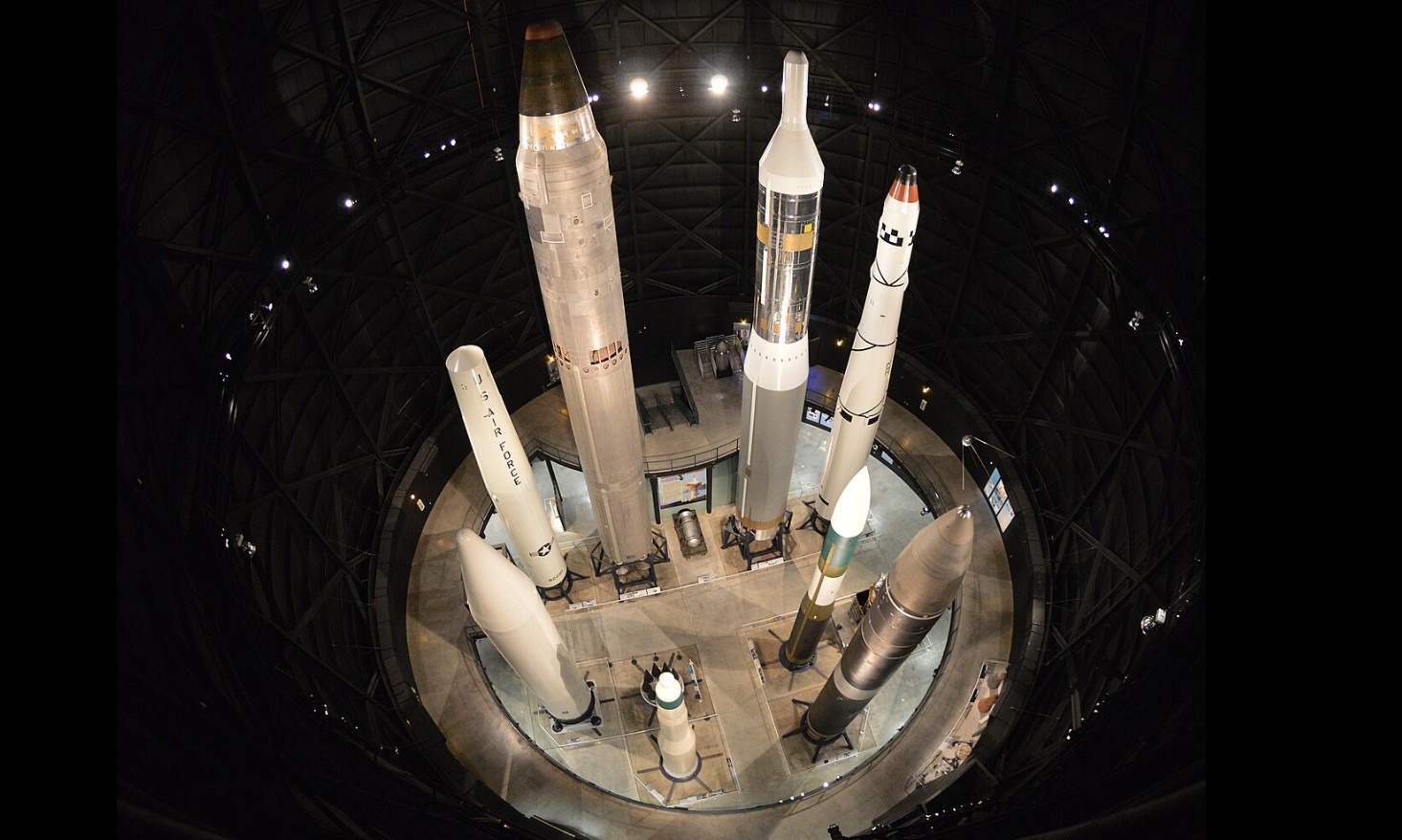
At the center of this discussion are a handful of states with nuclear triads, vast stockpiles, or especially advanced modernization programs. The global nuclear balance is shaped by intercontinental ballistic missiles, submarine-launched missiles, strategic bombers, tactical weapons, missile defense, and the industrial base needed to maintain them all. Let's break down the strongest nuclear powers through the lens that matters most in modern deterrence: capability, survivability, and strategic reach.
The Big Two: Russia and the United States
For decades, Russia and the United States have sat at the top of the nuclear hierarchy. Together, they account for the overwhelming majority of the world's nuclear warheads and maintain fully developed nuclear triads. Their arsenals are not just big; they are designed for redundancy, flexibility, and assured retaliation.
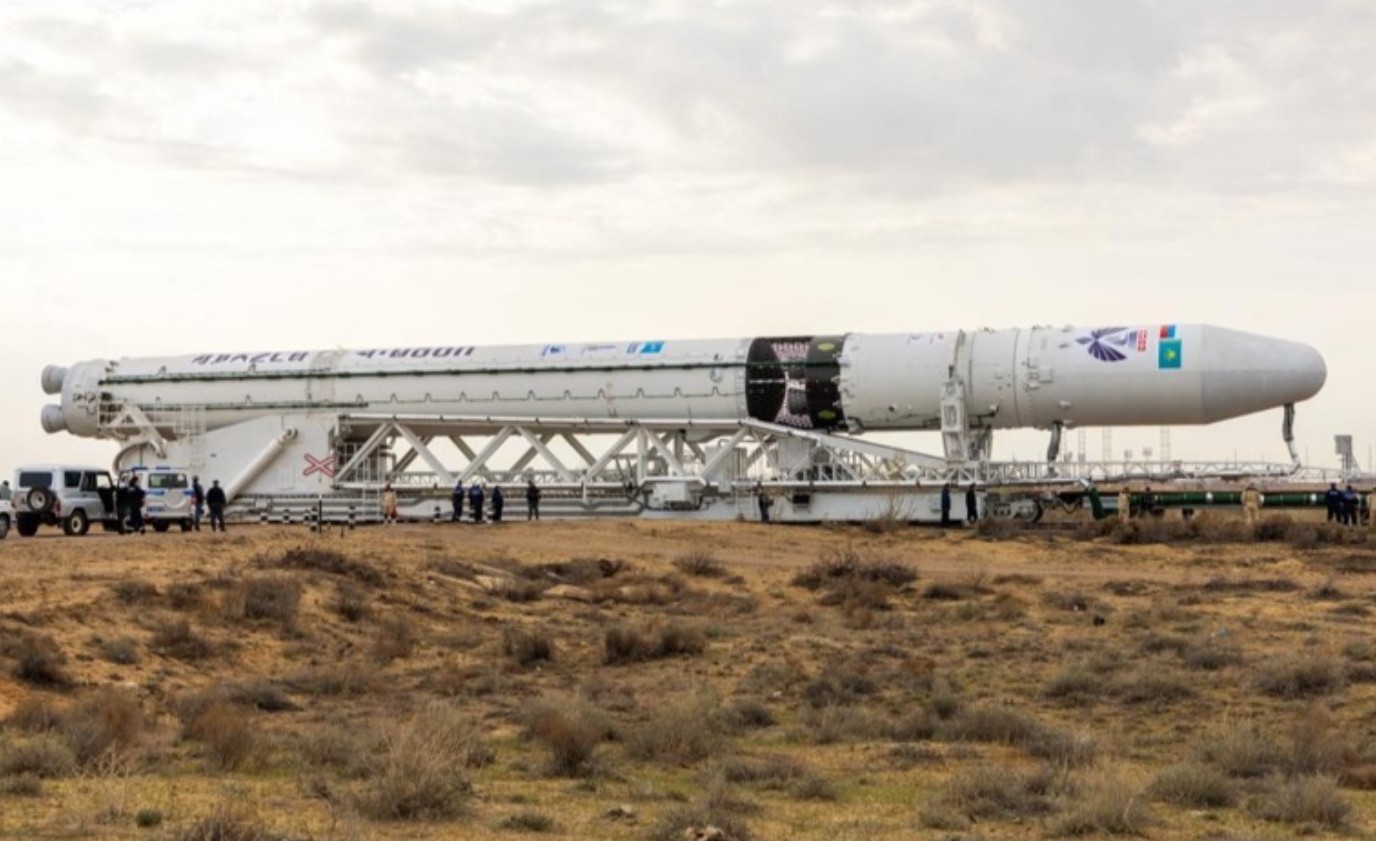
Russia is widely assessed to possess the largest total nuclear stockpile in the world. Its force structure includes silo-based ICBMs, road-mobile missiles, strategic submarines, and long-range bombers. What makes Russia especially formidable is the sheer diversity of its delivery systems. Systems such as the Yars ICBM family, the Borei-class ballistic missile submarines, and the Tu-160 strategic bomber fleet give Moscow multiple paths to deliver nuclear weapons across intercontinental ranges. Russia has also invested heavily in exotic strategic systems, including hypersonic glide vehicles and nuclear-powered concepts that are intended to complicate interception and planning.
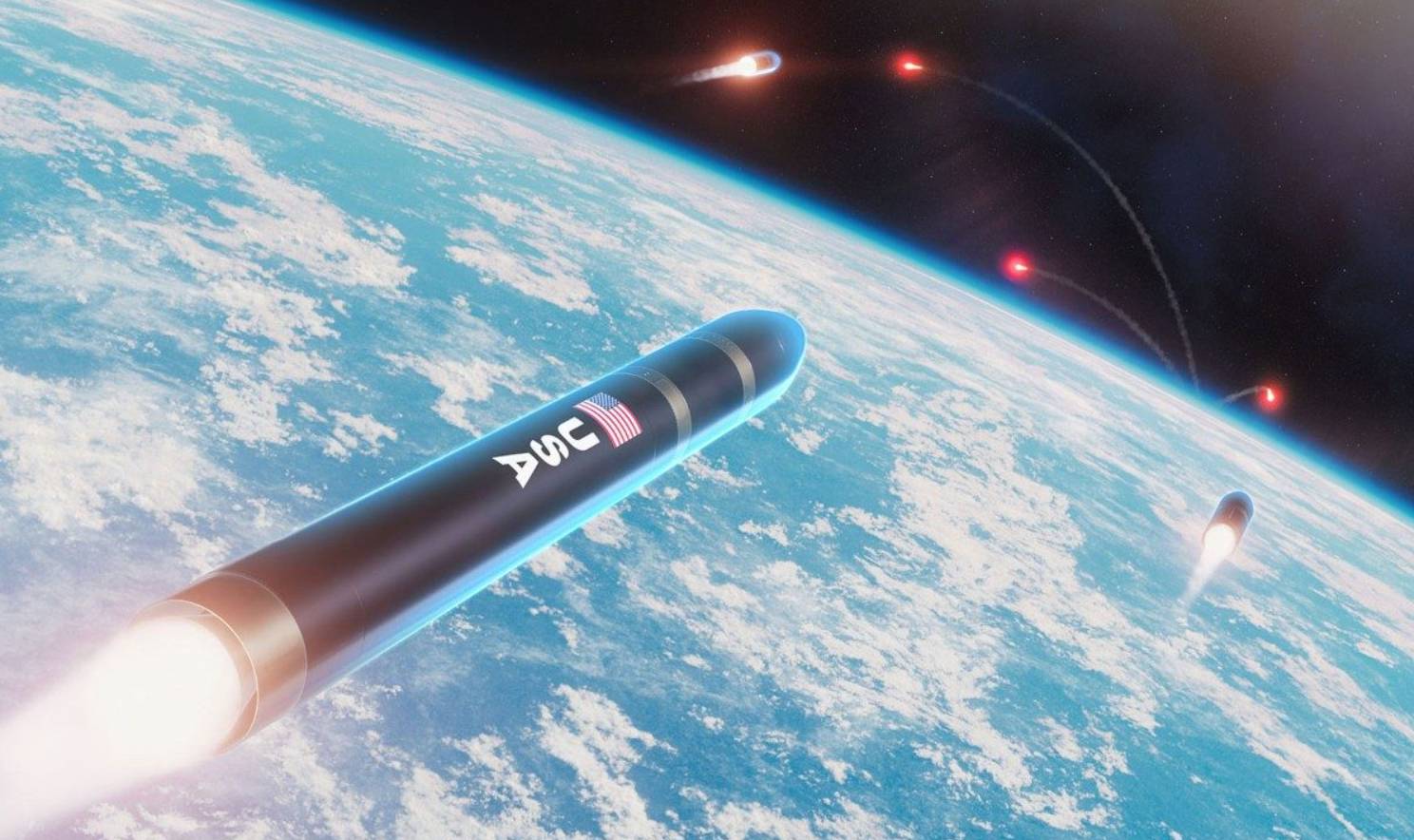
The United States, meanwhile, fields one of the most technologically sophisticated nuclear forces ever assembled. Its land-based Minuteman III missiles are being replaced over time by the next-generation LGM-35A Sentinel, while the Ohio-class ballistic missile submarine force remains one of the most survivable deterrents in history. The Air Force also operates the legendary B-52H and the stealthy B-2 Spirit, with the B-21 Raider expected to further strengthen the bomber leg of the triad. The U.S. edge is often less about raw warhead count and more about command reliability, precision engineering, stealth, and global power projection.
Why Triads Matter So Much
A nuclear triad consists of three delivery modes: land-based missiles, submarine-launched missiles, and strategic bombers. This matters because it makes a first strike extraordinarily difficult to execute successfully. If one leg is degraded, the others remain. If missile silos are targeted, submarines at sea survive. If submarines are hunted, bombers can be dispersed. That resilience is the core of deterrence.
In practical terms, the strongest nuclear powers are not just the ones with the most warheads. They are the ones that can:
- survive a surprise attack
- communicate orders under extreme stress
- retaliate with certainty
- field modern delivery systems
- maintain secure and redundant command-and-control networks
This is why a smaller arsenal with superb survivability can be strategically more relevant than a larger arsenal that is less secure or less modern.
China’s Rapid Rise
China is the most important rising nuclear power in the world today. For many years, Beijing maintained a relatively restrained posture with a smaller arsenal and a declared no-first-use policy. That picture has changed dramatically as China expands and modernizes its forces.
China is developing a more robust nuclear triad, including the DF-41 intercontinental ballistic missile, Jin-class ballistic missile submarines armed with JL-series submarine-launched missiles, and H-6N strategic bombers adapted for long-range strike. The pace of silo construction and force expansion has drawn intense attention from analysts. While China still trails Russia and the United States in overall numbers, its trajectory matters enormously. A force that is growing quickly, becoming more survivable, and gaining range is a force that changes the strategic equation.
What makes China such a compelling case study is not just its expansion, but the engineering philosophy behind it: better road mobility, more hardened basing, sea-based deterrence, and a stronger emphasis on assured second strike. In other words, China is moving from a relatively modest deterrent toward something much more formidable.
France and the United Kingdom: Compact but Potent
France and the United Kingdom are often overlooked in casual discussions because their arsenals are far smaller than those of the top three. That is a mistake. Both countries maintain highly credible, highly professional nuclear deterrents focused on sea-based survivability.
France relies on the Triomphant-class SSBN fleet and the ASMPA air-launched nuclear missile, giving it a flexible and independent deterrent posture. The French approach emphasizes strategic autonomy, ensuring that national decision-making remains sovereign and credible.
The United Kingdom has a submarine-only deterrent centered on the Vanguard-class SSBNs armed with Trident II D5 missiles, soon to be succeeded by the Dreadnought-class submarines. Britain's posture is smaller, but the survivability of a patroling ballistic missile submarine is one of the most effective deterrent tools ever invented. Even a modest arsenal can be strategically powerful if it is hard to find and impossible to ignore.
India and Pakistan: Regional Rivals with Global Implications
India and Pakistan are locked in one of the world's most dangerous nuclear rivalries. Their arsenals are smaller than those of the major powers, but their geographic proximity and history of conflict make every development significant.
India is advancing toward a more complete triad, with Agni-series ballistic missiles, Arihant-class SSBNs, and nuclear-capable aircraft. Its doctrine has traditionally emphasized credible minimum deterrence, though modernization has improved range, flexibility, and survivability.
Pakistan has focused on maintaining deterrence against India through a mix of ballistic missiles, cruise missiles, and tactical nuclear capabilities. Its arsenal is notable for being tailored to regional conflict dynamics rather than global strike. The result is a highly sensitive strategic environment in which even limited force changes can have outsized consequences.
Israel, North Korea, and the Shadow of Ambiguity
Israel is widely believed to possess nuclear weapons, though it maintains a policy of ambiguity. That ambiguity itself is a strategic tool. Israel's assumed capability is believed to be survivable and sophisticated, designed as an ultimate deterrent in an extraordinarily hostile neighborhood.
North Korea, meanwhile, has transformed itself from a nuclear novice into a dangerous and unpredictable actor. Its missile testing program has showcased increasingly long-range systems, including potential ICBM-class vehicles. Even if its arsenal remains limited compared with the major powers, its combination of political unpredictability, mobile launch systems, and apparent drive for miniaturization makes it strategically significant far beyond its size.
What Makes a Nuclear Power “Strong”?
There is no single metric. If strength means warhead count, then Russia and the United States dominate. If strength means survivable second-strike capability, submarine forces become disproportionately important. If strength means regional coercive power, then India-Pakistan dynamics and North Korea's missile arsenal matter more than raw totals.
Here are the main factors analysts look at:
- Total warheads and deployable strategic warheads
- Triad completeness and force redundancy
- Missile range and accuracy
- Submarine survivability
- Bomber flexibility and recallability
- Command, control, and communications resilience
- Modernization pace
- Industrial capacity to sustain and replace systems
This is why the nuclear balance is never static. A state with a smaller arsenal today may become far more influential tomorrow if it modernizes faster, hardens its basing, or deploys more survivable platforms.
Comparative Snapshot
| Country | Approx. Arsenal Size | Triad | Notable Strength |
|---|---|---|---|
| Russia | Largest overall | Yes | Massive stockpile and diverse delivery systems |
| United States | Very large | Yes | Advanced triad and survivable SSBN force |
| China | Expanding rapidly | Developing | Fast modernization and growing second-strike capability |
| France | Small but capable | Partial | Highly survivable sea-based deterrent |
| United Kingdom | Small but capable | No, submarine-only | Focused, credible Trident-based deterrence |
| India | Moderate | Developing | Growing regional triad and range expansion |
| Pakistan | Moderate | No | Regional deterrence and flexible missile mix |
| North Korea | Limited but evolving | No | Unpredictability and missile development |
The Real Measure of Power
The strongest nuclear powers are not simply the ones with the biggest piles of warheads. They are the states that can preserve a credible retaliatory capability under pressure, adapt to missile defense and counterforce threats, and keep their nuclear forces secure and modern. That is why the United States and Russia remain the benchmark, why China's buildup is watched so closely, and why even smaller arsenals in France or the United Kingdom remain strategically outsized.
Nuclear weapons are the ultimate paradox of military technology: built to ensure they are never used, yet powerful precisely because they might be. In that grim logic, strength is measured not only in megatons and missile counts, but in survivability, command discipline, and the cold engineering elegance of systems designed to endure the impossible.