

From soft shelters to mission-ready protected enclosures
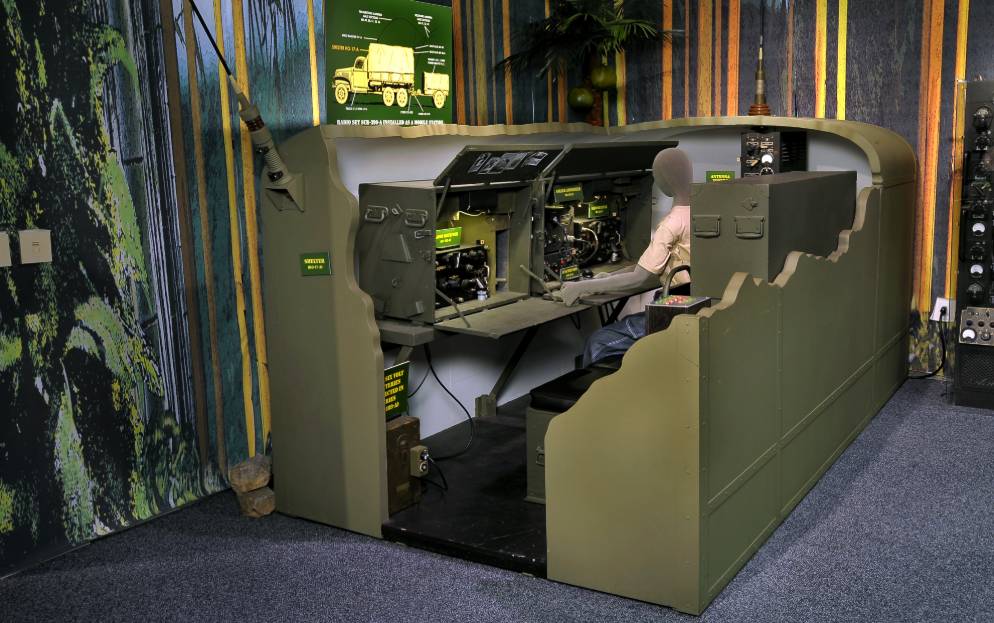
Modern expeditionary forces no longer treat mobile shelters as simple weatherproof tents or temporary workspaces. The current requirement set is far more demanding: a deployable shelter must arrive on the battlefield as a mission-enabling node, able to support command and control, maintenance, medical, logistics, and communications while surviving the same threat environment that surrounds the unit it supports. That means rapid setup, reduced manpower, integrated power and climate control, electromagnetic resilience, and, increasingly, built-in ballistic and blast protection.
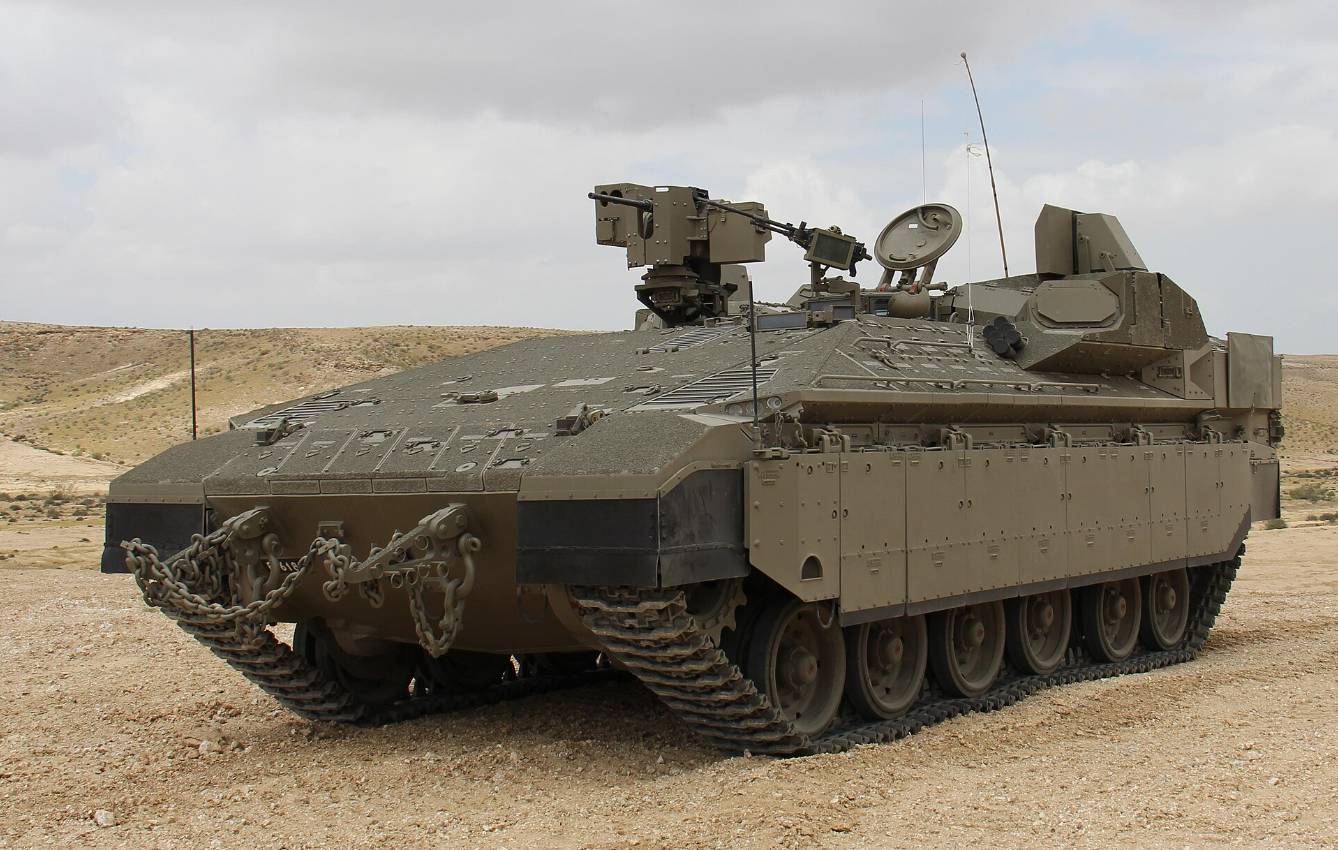
The phrase rapid deployment with integrated protection captures a real engineering shift. Instead of adding protection as an afterthought, manufacturers are now designing shelters as hybrid systems: a deployable structure, a protective envelope, and a utility hub rolled into one package. The result is a platform that can be air-transported, trucked, or palletized, then erected in hours rather than days, with survivability features already embedded in the architecture.
Why protected mobile shelters matter now
The operational rationale is straightforward. Forward bases, dispersed sensor nodes, mobile command posts, and expeditionary maintenance areas are increasingly exposed to indirect fire, small-arms attacks, drone observation, electronic interference, and harsh climate conditions. A shelter that only blocks wind and rain is no longer adequate when the supported unit requires secure planning space, protected communications racks, or a survivable medical treatment area.
At the same time, armies are under pressure to reduce logistics burden. Every additional truckload, every specialized construction team, and every hour spent assembling infrastructure increases vulnerability. Shelters that can be deployed by a small crew with minimal tools and provide immediate utility reduce both the time-to-capability and the footprint on the ground.
Core design objectives
Although implementations vary, most advanced mobile shelter programs optimize around five engineering goals:
- Deployment speed — rapid erection, often in under 60 minutes for smaller modules and under a few hours for larger multi-bay systems.
- Protection — ballistic resistance, fragmentation mitigation, and limited blast overpressure reduction.
- Mobility — compatibility with tactical trucks, C-130-class aircraft, rail, or container handling systems.
- Self-sufficiency — integrated HVAC, power distribution, lighting, and environmental controls.
- Modularity — scalable layouts for command posts, workshops, shelters, decontamination points, or medical spaces.
These priorities often conflict. Heavier protection increases mass and reduces transportability. Faster deployment can require simpler geometry, but simpler geometry may limit armor integration or internal volume efficiency. The best systems manage these trade-offs using lightweight composite structures, removable armor panels, telescoping frames, and pre-routed utility interfaces.
How the architecture is put together
Most rapid-deploy protected shelters are built around a rigid or semi-rigid frame, usually aluminum alloy, high-strength steel, or composite members, with a cladding system that may combine insulated panels, tensioned fabric, and protective liners. The floor is often a structural pallet or skid base designed to accept forklifts, crane slings, or vehicle tie-downs. Some designs use ISO container dimensions for transport efficiency; others prioritize lower profile and lower mass for tactical mobility.
Protection is typically layered rather than monolithic. An outer skin may handle weather and UV exposure, while an inner liner provides spall mitigation. Where higher levels of protection are required, armor modules are attached to the structure’s load-bearing points. These modules can include ceramic-faced composite panels, steel plates, aramid backers, or modular blast skirts around the base perimeter.
Integrated utility routing is equally important. Cabling, ducting, and data paths are pre-installed or routed through protected conduits to reduce setup time and prevent improvised field wiring. This not only improves reliability but also supports electromagnetic compatibility across radios, servers, sensors, and power conditioners.
Deployment sequence and human factors
The best shelters are designed around a simple principle: the fewer decisions the crew has to make in the field, the faster and safer the deployment. Typical deployment begins with site leveling and anchoring, followed by frame extension, roof raise, wall panel deployment, and connection of power and HVAC. Large shelters may use mechanical assists such as hydraulic lifts, winches, or pneumatic actuators; smaller systems may rely on manual deployment aided by folding scissor frames.
Human factors engineering matters just as much as structural design. Glove-friendly latches, color-coded connectors, captive fasteners, and tool-minimized assembly reduce the chance of error under stress, darkness, or chemical protective equipment. Clear markings for load paths, anchor points, and service access panels are especially important when crews rotate frequently or operate with mixed experience levels.
Representative shelter specification profile
Exact specifications vary by program, but the table below reflects a realistic profile for a modern protected expeditionary shelter intended for command, maintenance, or communications use:
| Specification | Typical value |
|---|---|
| Transport format | ISO-compatible skid or trailer-mounted module |
| Deployment time | 30 to 120 minutes depending on size and crew |
| Crew required | 2 to 6 personnel |
| Internal area | 12 to 40 m² per module |
| Ceiling height | 2.1 to 2.6 m |
| Power input | 5 kW to 30 kW integrated or external generator supply |
| HVAC capacity | 10,000 to 40,000 BTU/h equivalent |
| Ballistic protection | Configurable to small-arms and fragmentation threats |
| Blast mitigation | Limited overpressure and spall reduction, design-dependent |
| Environmental range | -32°C to +49°C operational envelope in many systems |
| Service life | 10 to 20 years with maintenance and component replacement |
Protection levels and what they really mean
In defense marketing, the word protected can mean almost anything unless it is tied to a test standard. In practice, shelter protection may be validated against ballistic, fragmentation, and blast events using national or NATO-referenced methods. For example, a shelter might be designed to resist small-arms fire at key angles, defeat fragments from artillery or mortar bursts at a specified standoff, and preserve occupiable volume after a limited blast event.
However, protection is always contextual. A shelter optimized for command and communications may emphasize fragment resistance and signature management rather than maximum armor mass. A medical shelter may prioritize protected access, NBC filtration, and internal shock isolation. A maintenance shelter may use stronger doors and sidewalls near tool bays while keeping less critical sections lighter to preserve mobility.
The trade-off is unavoidable: every kilogram of armor subtracts from payload, air transport margin, and deployment speed. That is why modular protection packages are increasingly favored. Commanders can fit the shelter for the mission profile, rather than carrying the penalty for worst-case protection on every sortie.
Power, climate control, and electromagnetic resilience
Integrated protection is not only about kinetic threats. The shelter must keep electronic systems alive in heat, dust, humidity, and vibration. High-performance HVAC units maintain internal temperatures for personnel and rack-mounted electronics, while positive-pressure filtration can reduce dust and contamination ingress. For medical or C2 applications, the shelter may also include redundant cooling loops or segregated hot/cold zones to protect sensitive equipment.
Power architecture is often built around AC distribution panels, inverter systems, battery buffering, and surge suppression. This allows shelters to ride through generator transients, vehicle power fluctuations, or short outages without dropping mission-critical loads. Some configurations include EMC-hardening measures such as filtered feedthroughs, shielded cable paths, and bonded frame structures to reduce radio-frequency interference.
As the battlefield becomes more networked, electromagnetic survivability is increasingly a core shelter requirement. A system that survives a physical threat but fails under jamming, voltage instability, or cable-induced noise does not fully meet operational needs.
Comparative engineering trade-offs
There is no single best shelter architecture. The optimal design depends on whether the priority is transportability, survivability, or internal volume. The table below summarizes common approaches:
| Architecture | Strengths | Limitations | Best use case |
|---|---|---|---|
| Soft-wall deployable shelter | Lowest mass, fastest setup, compact transport | Limited protection, lower rigidity, less durable | Temporary logistics, administrative support |
| Rigid frame with composite panels | Balanced protection, better insulation, modular armor integration | Heavier, more expensive, more components | Command posts, comms, maintenance |
| Containerized protected module | High structural strength, simple transport, good stacking | Lower deploy speed, bulky footprint, heavier cranes required | Static or semi-mobile forward facilities |
| Hybrid fold-out shelter | Good compromise between volume and mobility | Mechanically complex, more maintenance | Expeditionary operations with frequent relocation |
Signature management and concealment
Survivability is also about being harder to detect. Modern shelters may incorporate thermal management measures, non-reflective coatings, low-observable exterior colors, and routing of exhaust and generator heat away from likely observation angles. Internal lighting can be shielded or filtered to reduce visible signature, while external geometry may be shaped to break up recognition at distance.
In some cases, the shelter itself becomes part of a broader signature-management system that includes camouflage nets, decoy power generation, and dispersed antenna placement. The goal is not invisibility, but making the node expensive to find, classify, and target.
Operational examples of where these systems excel
Protected rapid-deploy shelters are particularly valuable in roles where mission continuity matters more than heavy fortification. A tactical operations center can use them to maintain secure planning and communications even when displaced. Field maintenance teams can protect diagnostic equipment and keep repair throughput high. Medical elements can preserve a controlled environment for triage and treatment. SIGINT and networking teams can keep electronics stable while reducing exposure to weather and fragments.
In each case, the shelter is less a building than a mobile infrastructure platform. Its value lies in how quickly it restores capability after movement and how well it preserves that capability under threat.
Where the technology is heading
The next generation of mobile shelters is likely to become even more integrated. Expect lighter ballistic materials, better energy storage, faster erection mechanisms, and more standardized interfaces for generators, batteries, sensors, and communications kits. Digital twin tools are already improving layout planning and load analysis, while additive manufacturing may eventually support field repair of brackets, fittings, and non-critical structural parts.
The long-term trend is clear: shelters are evolving from passive enclosures into protected mission systems. The more the battlefield punishes static infrastructure, the more valuable it becomes to have a shelter that can move quickly, survive first contact, and still function as a fully equipped workplace once it is on the ground.