

AI-Driven Situational Awareness
The world of military communication is set to evolve dramatically with the integration of artificial intelligence (AI) technologies. AI-driven situational awareness represents one of the most promising advancements. This technology not only enhances the speed and accuracy of decision-making on the battlefield but also enables real-time data analysis and predictive modeling.
You Might Also Like

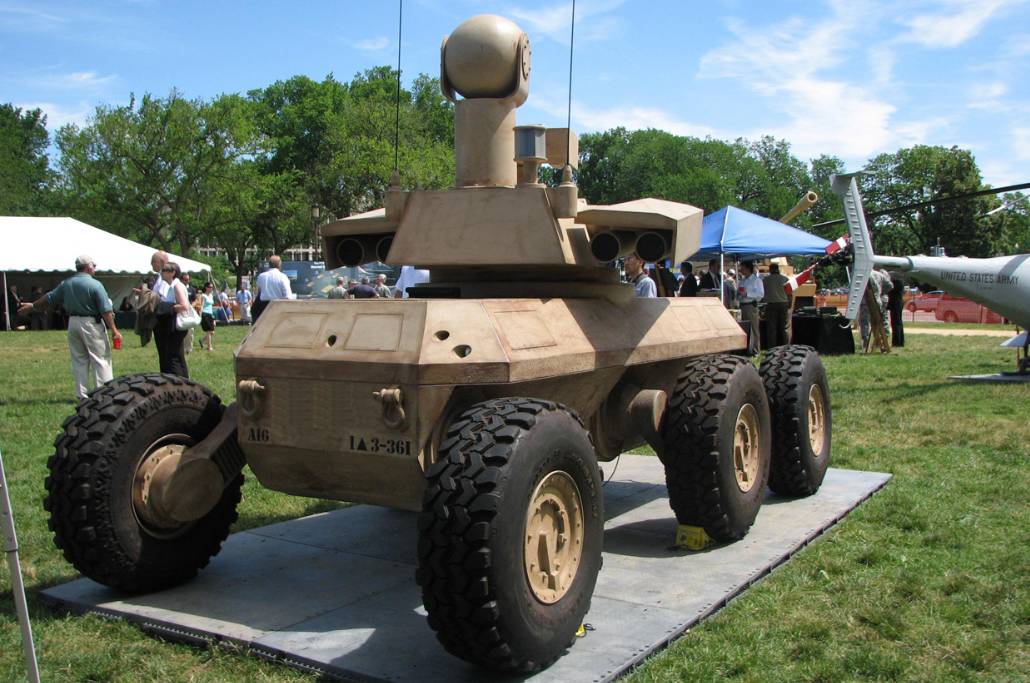

AI systems can process vast amounts of data from satellites, drones, and ground sensors, creating a comprehensive overview of the battlefield. These systems can identify threats, track enemy movements, and predict potential outcomes with unprecedented precision. Moreover, the integration of AI in military communication networks allows for seamless coordination among units, reducing the risk of miscommunication and ensuring that commanders have the most up-to-date information at their fingertips.
Neural Links: Mind-Connected Communication
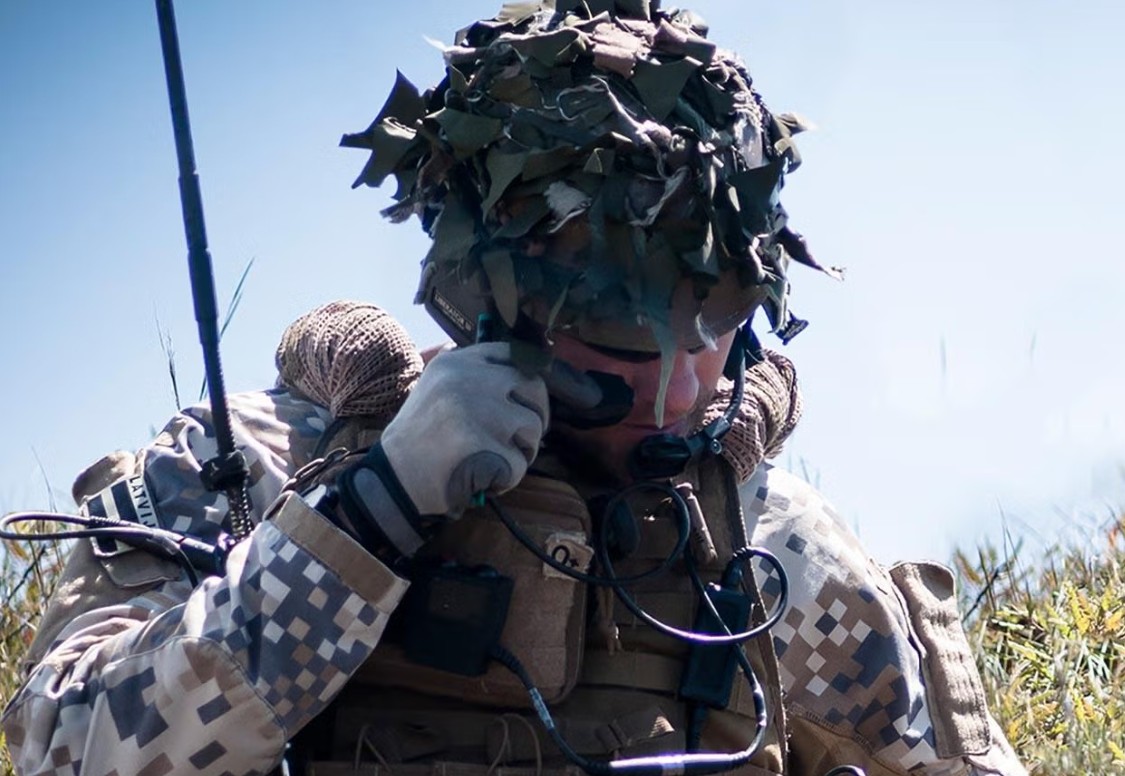
Neural link technology is another futuristic concept gaining traction in military strategy discussions. This involves creating direct interfaces between the human brain and military communication systems. Essentially, soldiers could communicate telepathically by using these neural links, bypassing traditional radios or handheld devices.
While still in the experimental phases, neural links promise to revolutionize how soldiers interact. The potential benefits include faster response times, improved coordination, and a significant reduction in the likelihood of interception by enemy forces. This technology could also interface with AI systems for brain-machine collaboration, allowing soldiers to control drones or other autonomous systems merely by thought.
Jamming-Resistant Quantum Channels
Quantum communication offers a jamming-resistant alternative to traditional channels. Quantum channels use the principles of quantum mechanics to encrypt and transmit data in ways that are theoretically immune to eavesdropping. In military contexts, this means communication that is almost impossible to intercept or disrupt.
At the heart of quantum communication is the concept of quantum entanglement, where particles become interconnected in such a way that the state of one particle instantly affects the state of another, regardless of distance. This feature allows for the creation of quantum keys that are used for encrypting communications, ensuring absolute security even in the most contested environments.
| Technology | Key Features | Advantages |
|---|---|---|
| AI-Driven Situational Awareness | Real-time data analysis, threat prediction | Improved decision-making, rapid response |
| Neural Links | Brain-machine interface, thought-based control | Faster communication, reduced interception |
| Quantum Channels | Quantum encryption, jamming-resistance | Secure communications, interception prevention |
Integrating Technologies for Enhanced Communication
The fusion of these technologies presents a vision of a highly sophisticated military communication ecosystem. Harnessing AI to manage data from neural links and quantum channels could lead to an unprecedented level of battlefield management and operational security. The prospect of integrating AI, neural links, and quantum channels into a single, cohesive network opens up possibilities for automated strategies that adapt to real-time battlefield developments.
Furthermore, as these technologies mature, their applications may extend beyond communication. For example, AI and neural interfaces can enhance training programs by using simulated environments to develop soldier skills more effectively. Similarly, quantum technology could be used to secure critical military infrastructure, ensuring it is impervious to cyber-attacks.
Challenges and Ethical Considerations
Despite the promising advancements, implementing these technologies poses significant challenges. The development of stable quantum communication systems is still in its infancy, and building reliable neural link interfaces that can be practically deployed on the battlefield requires substantial research and investment. Moreover, the integration of AI in military applications raises ethical questions about decision-making autonomy and the potential for unintended consequences.
Ensuring that these technologies are used responsibly and do not inadvertently lead to an arms race in advanced military communication systems is of paramount importance. The balance between technological advancement and ethical responsibility will be crucial as we step into this new era of military communication.
In summary, while the journey to fully realizing sci-fi military communication technologies is filled with challenges, the potential benefits are far-reaching. AI-driven situational awareness, neural links, and jamming-resistant quantum channels represent the cutting edge of military communication. They promise not only to transform how information is shared and secured on the battlefield but also to redefine the concept of connectivity and collaboration among military forces worldwide.