The Javelin has earned its reputation the hard way: in mud, smoke, dust, and broken terrain where targets appear for seconds, not minutes. For years, the infantryman’s comfort with the weapon came from a simple truth — it worked. The first major overhaul of the Javelin Weapon System does not change that core promise. What it does is bring the system closer to the realities of modern combat, where a shoulder-fired anti-armor missile must compete with drones overhead, thermal clutter, electronic interference, and the need to move fast with less physical burden.
You Might Also Like

This upgrade is significant because Javelin was already one of the most trusted portable anti-tank weapons in service. Any change to a system like this has to respect a hard-earned balance: keep the lethality, improve the soldier experience, and avoid introducing so much complexity that the weapon becomes harder to trust in the field. That is the real measure of a successful overhaul. Not marketing. Not a brochure. What matters is whether a dismounted crew can carry it farther, engage faster, and stay alive longer while doing the job.
What is being changed
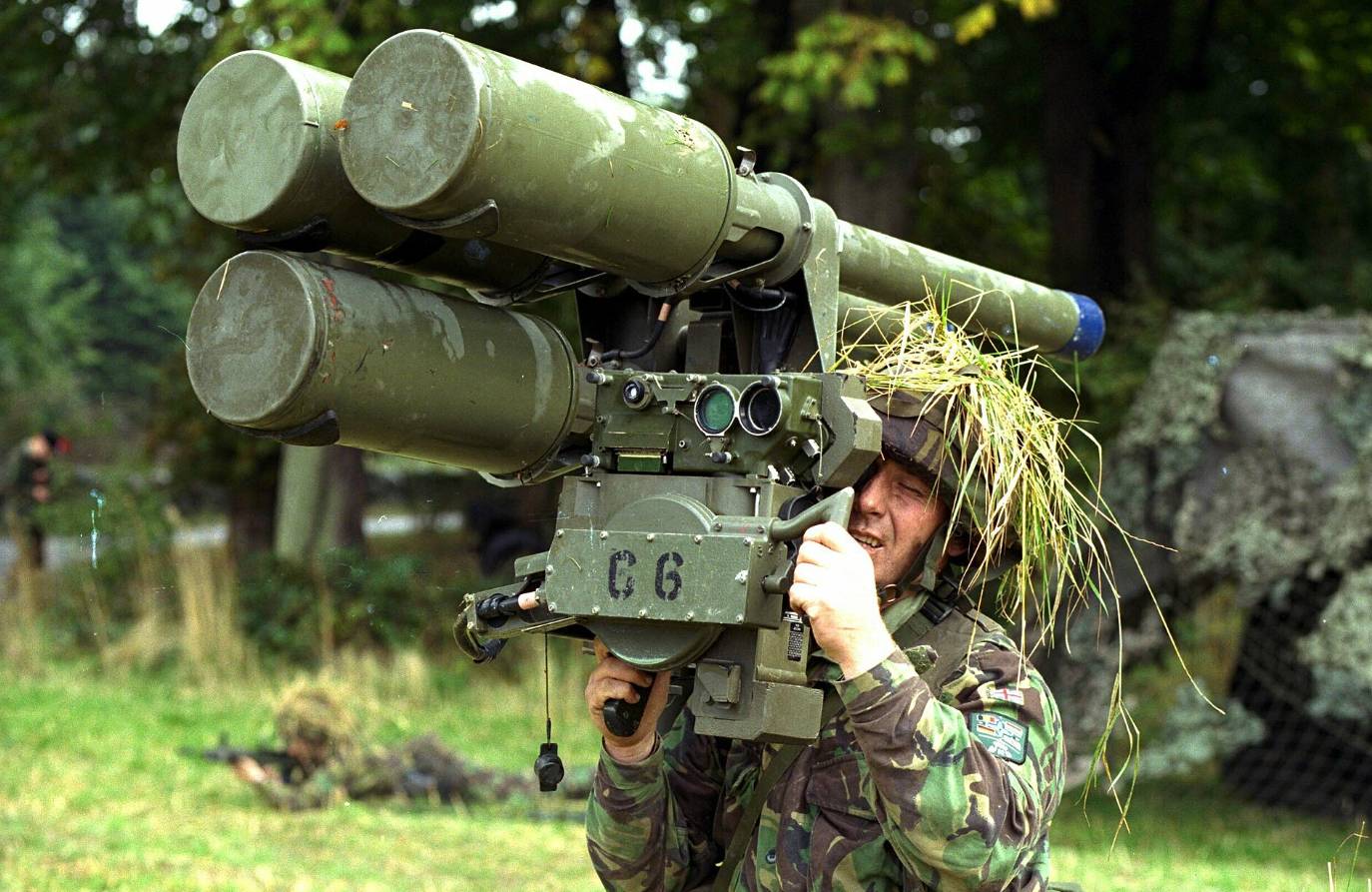
The first major overhaul focuses on the parts of the Javelin system that affect how it is carried, powered, operated, and sustained. In practical terms, this means improvements to the command launch unit, display and sighting components, battery systems, and associated electronics. The missile itself remains the same basic family of round that made the system famous, but the launch side of the equation is where most of the burden sits for the gunner.
That is important. In the field, the launcher is not just a sight. It is the soldier’s interface with the weapon, the part that must survive transport, weather, vibration, and repeated handling. If the optics are clearer, the battery lasts longer, and the unit is more reliable under stress, the entire system becomes more useful. A weapon that is easier to operate in cold weather, low light, or under time pressure is a weapon that gets used correctly when it matters.
From a soldier’s point of view, upgrade priorities usually come down to a few questions:
- Can I get a better picture of the target faster?
- Will the system stay powered long enough for the mission?
- Can I carry the weapon without being worn down before contact?
- Will it still function after rough handling, dust, rain, or a hard vehicle ride?
The overhaul is aimed at those exact problems.
Why this matters now
Modern battlefields punish systems that were designed for a simpler threat picture. Javelin remains extremely relevant against armored vehicles, but the way armored vehicles are used has changed. Tanks are now often supported by infantry drones, short-range air defenses, electronic warfare, and quick displacement tactics. A shoulder-fired missile has to fit into that environment. It is no longer enough for a weapon to hit hard; it must also help the crew survive the engagement cycle.
There is also the issue of sustainment. In a long war, parts break, batteries age, and equipment gets used far more than peacetime planners expect. The systems that survive are the ones designed with maintenance and logistics in mind. Any overhaul of Javelin that improves serviceability, modularity, or reduced burden on supply chains is a meaningful gain. Soldiers and Marines do not care about elegant engineering if it means waiting on a replacement component in a forward position.
Another factor is training. A system that retains the same basic user logic while improving the internals is valuable because it shortens the relearning curve. Crews can transition with less friction, which matters when units rotate, mobilize, or expand quickly. The best upgrades feel invisible to the user until the moment they need the improvement.
Field value: what the upgrade means for crews
In real-world use, Javelin crews are often operating from cover, from windows, treelines, berms, or vehicle dismount points. They need fast target acquisition, a stable hold, and confidence that the missile will guide properly after launch. Any improvement to the sighting system or launch electronics directly affects that sequence.
More modern displays and controls can reduce eye strain and speed up the engagement process. Better thermal performance can help identify a vehicle against cluttered backgrounds. Improved batteries and lower power consumption mean fewer tradeoffs between staying light and staying operational. And if the updated system is more resistant to wear, units can spend less time troubleshooting and more time training on the real task: finding, identifying, and engaging the target under pressure.
There is also a psychological effect that should not be overlooked. Infantrymen trust weapons that behave predictably. If a system boots faster, gives a clearer picture, and responds consistently, the crew can focus on the shot instead of the equipment. That confidence matters in combat. A man carrying a missile launcher already has enough to think about without wondering whether the sight will hold zero or the power source will die at the worst possible moment.
Likely improvements in the upgraded system
While exact implementation details can vary by configuration and procurement package, a first major overhaul of a mature weapon system typically brings practical upgrades in a few broad areas.
- Reduced weight or improved balance: even small savings matter when a crew is carrying multiple rounds and support gear.
- Improved battery life: longer operational time lowers the logistical burden and reduces mission risk.
- Better thermal imaging and display quality: target recognition becomes easier in low visibility and cluttered conditions.
- Faster startup and engagement workflow: less time exposed while preparing to fire.
- More ruggedized electronics: better survivability against vibration, dust, moisture, and rough handling.
- Better integration with modern training and support tools: easier sustainment and more realistic instruction.
These are not glamorous changes. They are the sort of improvements that make a weapon system more dependable across a long campaign. That is exactly where mature military equipment earns its keep.
Javelin in the current anti-armor fight
The Javelin’s defining advantage has always been its top-attack capability and fire-and-forget guidance. That remains a serious problem for enemy armor, especially when crews are forced to expose themselves while maneuvering. Tanks are not invincible, and the combination of thermal sighting, lock-on guidance, and proven warhead performance has made Javelin one of the most feared infantry weapons in the world.
But the anti-armor fight is no longer just about defeating armor plate. It is about getting the shot off before the target disappears, before counterfire arrives, and before overhead reconnaissance exposes the position. The upgraded weapon system helps preserve the core Javelin advantage by making the user interface more responsive and more robust. In a battlefield shaped by drones and sensors, the launcher has to support speed and discretion as much as raw lethality.
That is why upgrades to the launch side matter so much. A missile can only do its work if the crew can complete the chain of actions under stress: observe, identify, confirm, lock, fire, and displace. Anything that shortens that chain or makes it more reliable is a combat multiplier.
How it compares to older anti-tank systems
Compared with older wire-guided or command-guided anti-tank missiles, Javelin is far less demanding on the shooter once the target is acquired. Older systems often required the gunner to keep tracking the target throughout flight, which increased exposure and stress. Javelin’s fire-and-forget model is a real tactical advantage because it allows the crew to move after launch, seek cover, or prepare for follow-on action.
The upgraded version improves the usability of that advantage. If the launcher is easier to operate and more resilient, the gap widens further. That matters in combat where time is compressed and margins are thin. A system that gives a squad more confidence to engage armor from covered positions can shape an entire defensive sector.
In comparison with newer loitering munitions and drone-delivered strike options, Javelin still has a place because it is immediate, intuitive, and not dependent on airborne links or extended planning cycles. It is a direct-fire answer. When a platoon needs a hard anti-armor capability right now, that simplicity is invaluable.
Logistics and sustainment
One of the less visible but most important aspects of any overhaul is whether it helps the supply chain. Mature systems often suffer from aging components, inconsistent parts availability, and maintenance procedures that become harder to support over time. If the upgraded Javelin system simplifies replacement of batteries, optics, or electronic modules, the payoff can be substantial.
For deployed units, that can mean fewer deadlined launchers and more ready weapons on the line. For training units, it can mean fewer interruptions and better realism. For procurement officers, it can mean extending the life of a proven missile family without having to replace the entire ecosystem at once.
That is the practical virtue of a major overhaul versus a brand-new design. You preserve what already works — the missile, the tactics, the institutional knowledge — while refreshing the weakest parts. In defense acquisition, that is often the smartest path when the weapon is already combat proven.
Representative specifications
Where exact upgrade figures are not publicly fixed across all variants, the table below reflects the widely known baseline characteristics of the Javelin family and the kind of launcher-focused improvements generally associated with an overhaul.
| Specification | Baseline / Typical Javelin Family Data |
|---|---|
| Weapon type | Man-portable anti-tank guided missile (ATGM) |
| Guidance | Infrared imaging seeker, fire-and-forget |
| Flight profile | Top-attack or direct-attack |
| Effective engagement | Varies by variant and conditions; commonly cited around 2 to 4+ km |
| Launcher role | Target acquisition, thermal sighting, missile control, power supply |
| Typical team | Two-person crew, though employment can vary |
| Primary targets | Main battle tanks, armored vehicles, fortifications, and selected point targets |
| Overhaul focus | Optics, power, electronics, ergonomics, ruggedness, and sustainment |
What soldiers will notice first
The first things troops usually notice in an upgraded system are not the engineering details, but the feel of the weapon. Does it power up faster? Is the sight easier to read? Does the system feel less awkward in gloves or bad weather? Can a crew member carry it longer without fatigue? Those are the telltale signs of whether the upgrade was done by people who understand field use.
If the overhaul succeeds, the gunner should experience a smoother workflow from shoulder to shot. The assistant gunner should see fewer delays and less fiddling with power or setup. Leaders should see a weapon that remains credible under stress, not just on a test range. That is the standard that matters.
Javelin has never been a weapon that wins by being flashy. It wins because it is trusted. The first major overhaul is important because it protects that trust while adapting the system to the demands of modern war. For the soldier on the ground, that is what good modernization looks like: not a revolution, but a weapon that still shows up when the moment is ugly and there is no room for error.