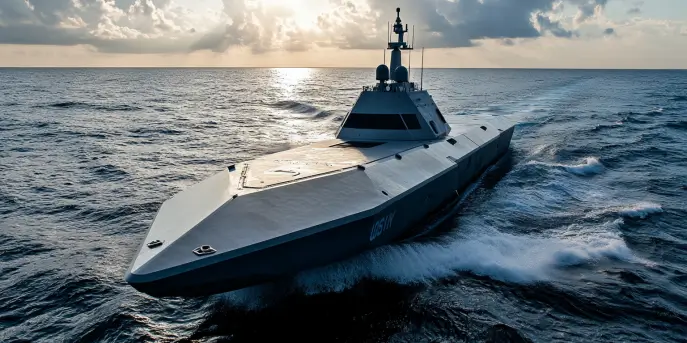


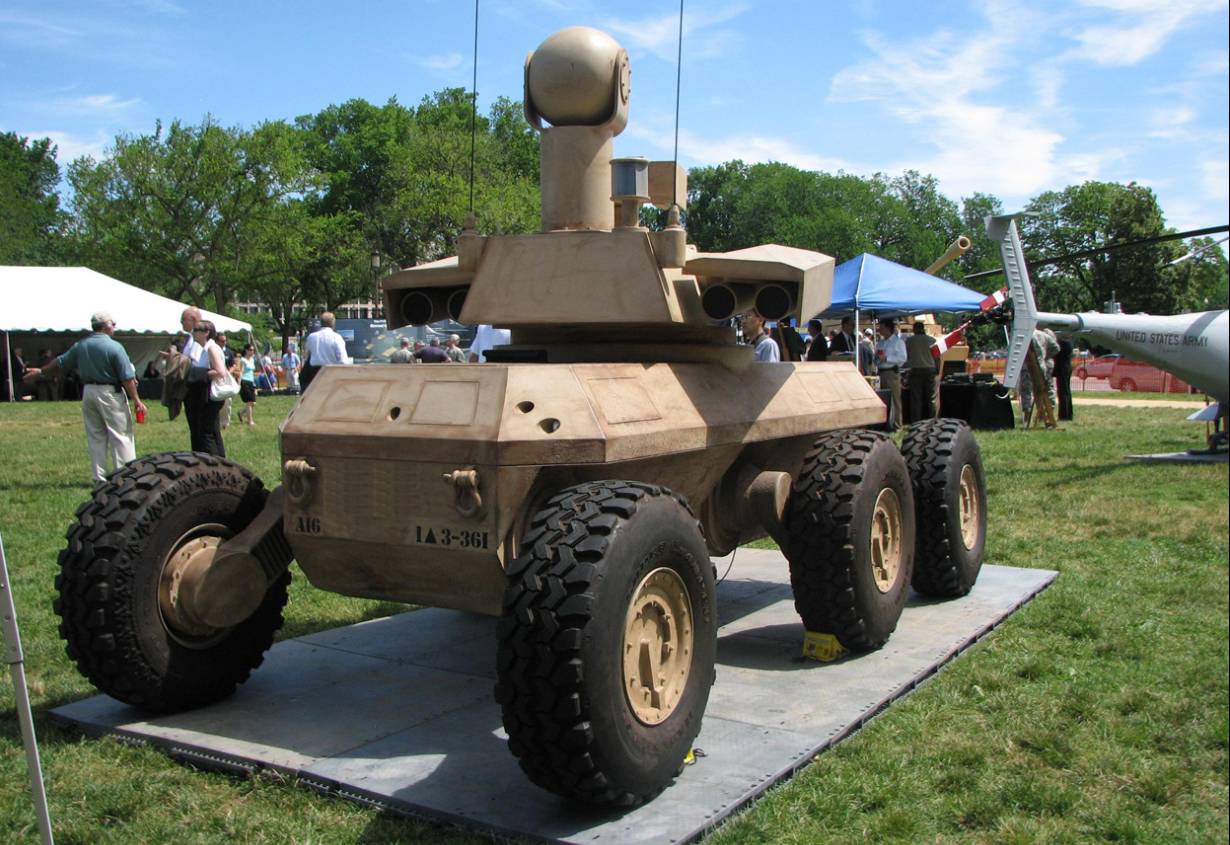
The U.S. Army is moving away from the kind of equipment that dominated two decades of counterinsurgency warfare and back toward vehicles built for high-intensity combat against a peer adversary. That shift is not just a procurement talking point. It changes everything from armor philosophy and sensor packages to how much weight a vehicle can carry, how fast it can move, and how long it can survive once the shooting starts.

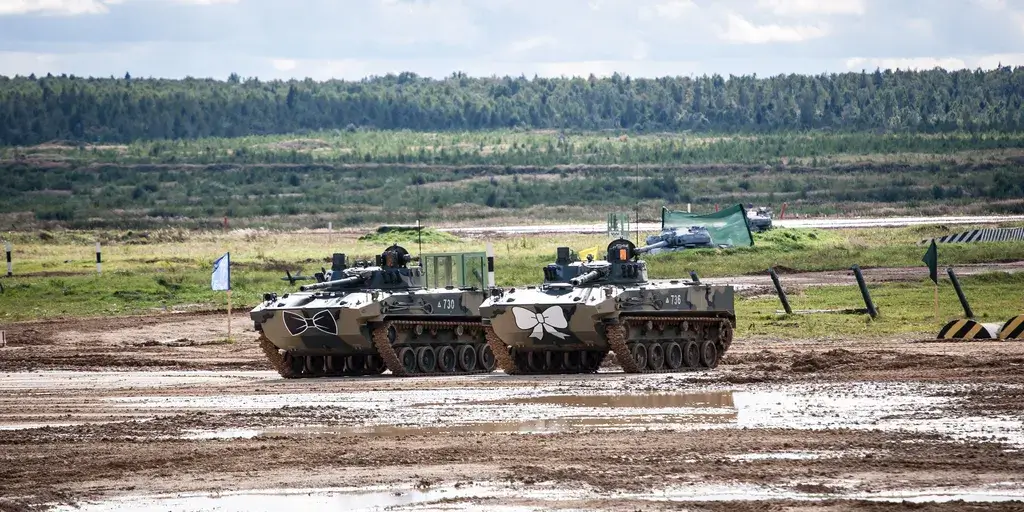

For years, the Army optimized around roadside bombs, ambushes, and urban patrols. Mine-resistant trucks, armored personnel carriers with extra kits bolted on, and expeditionary logistics vehicles were the tools of the trade. Those platforms did the job in Iraq and Afghanistan, where survivability often meant shrugging off an IED and getting the crew home. But the battlefield the Army is now preparing for looks very different. Russia, China, and even sophisticated regional militaries can bring long-range fires, electronic warfare, drones, anti-tank guided missiles, and integrated air defenses to bear in ways insurgents never could.
That reality is driving the Army toward a new generation of combat vehicles that can survive under direct fire, operate in contested electromagnetic environments, and keep pace with armored formations in a fast, lethal fight. The days of simply adding armor plates and calling it good are over.
Why the Army is changing course
Anyone who has spent time around armored units knows the difference between a vehicle built for patrol duty and one built for maneuver warfare. In counterinsurgency, the priority was protection from mines, ambushes, and small arms. In a peer conflict, the threat comes from above, from beyond visual range, and from organized enemy systems that are trying to detect, jam, fix, and kill you before you ever see them.
The Army’s modernization push reflects that shift. The service is trying to field platforms that are more mobile, more networked, and more survivable against advanced anti-armor threats. That means fewer vehicles shaped by lessons from convoy security in dusty urban roads and more vehicles designed around cross-country mobility, digital architectures, and signature management.
There is also a hard logistical lesson here. Heavier armor helps up to a point, but once a vehicle gets too heavy, it becomes a burden on bridges, transport aircraft, recovery assets, fuel consumption, and the very terrain it has to cross. A combat vehicle that cannot be moved, maintained, or sustained is just expensive steel. The Army knows this from bitter experience.
From MRAP logic to maneuver warfare logic
The Mine Resistant Ambush Protected vehicle was the right answer to the wrong war. It saved lives in an environment dominated by improvised explosive devices. But MRAPs were never intended to fight their way through a missile-saturated battlefield or keep up with tanks and infantry fighting vehicles in maneuver combat. They are tall, heavy, and difficult to hide. They ride well enough on roads, but they are poor substitutes for a true combat vehicle.
That distinction matters. In counterinsurgency, a protected truck can be enough. In a fight against a mechanized adversary, the Army needs a vehicle that can move with armor, absorb punishment, return fire accurately, and survive in a sensor-rich battlespace. The new generation of platforms has to do all of that while also supporting open digital systems, better situational awareness, and rapid upgrades as threats evolve.
This is why so much emphasis is being placed on modularity and digital design. The Army wants vehicles that can accept new sensors, software, active protection systems, and mission packages without requiring a complete redesign every time the threat changes. That kind of flexibility is not a luxury anymore. It is survival.
What the next-generation combat vehicles must do
The Army has been especially focused on a set of requirements that sound simple on paper but are difficult in the field:
- Survivability: not just armor thickness, but active protection, low signature, and the ability to absorb and continue fighting after a hit.
- Mobility: enough speed and agility to maneuver with armored formations across broken ground, mud, snow, and urban terrain.
- Network connectivity: secure digital communications and sensor sharing, even when the enemy is trying to jam or deceive the force.
- Firepower: enough punch to defeat armor, bunkers, and drones without turning every engagement into a tank-versus-tank slugfest.
- Growth margin: room for future sensors, power demands, and electronics as the threat changes.
These are not abstract requirements. In the field, every one of them has a cost. More armor means more weight. More electronics means more maintenance and power draw. More capability means more training burden on crews and maintainers. The Army is trying to balance all of it while avoiding the trap of designing a perfect vehicle that is too expensive to buy in meaningful numbers.
Specs that matter in the real world
The Army has pursued multiple modernization programs, and the exact figures vary by platform and configuration. But the broad categories tell the story.
| Program / Vehicle Type | Main Role | Key Features | Field Reality |
|---|---|---|---|
| Optionally Manned Fighting Vehicle (OMFV) | Replace Bradley infantry fighting vehicle | Digital architecture, improved protection, heavier firepower, growth margin for future systems | Designed for peer conflict, not patrol duty |
| Mobile Protected Firepower (MPF) | Light infantry direct-fire support | 105mm-class fire support, lighter than main battle tanks, airborne-friendly constraints | Gives infantry a hard-hitting weapon where tanks are too heavy or unavailable |
| XM30 / next-generation infantry fighting vehicle effort | Future armored troop carrier | Open systems, active protection, improved sensors, improved survivability | Aims to replace an aging Bradley fleet that has been patched for decades |
| Armored Brigade Combat Team upgrades | Keep existing formations relevant | Better radios, sights, protection kits, and digital integration | Useful stopgap, but not a substitute for new vehicles |
The Bradley remains a perfect example of the problem the Army is trying to solve. It has been upgraded repeatedly and still performs far beyond what many expected when it entered service. But there is only so much life left in a platform designed for a different era. The same is true, in different ways, across much of the Army’s armored fleet. Maintenance gets harder, obsolescence creeps in, and the enemy keeps improving.
The Bradley lesson
If there is a single vehicle that illustrates the Army’s transition, it is the M2 Bradley. Crews respect it because it has proven stubbornly hard to kill. It carried infantry through wars where enemy armor was limited and the biggest danger often came from IEDs and RPGs. But the Bradley was never meant to dominate a battlefield filled with top-attack missiles, loitering munitions, and massed electronic warfare.
The problem is not that the Bradley is obsolete in every sense. The problem is that it is aging into irrelevance against the wrong threat set. Crews can keep a vehicle combat-effective for a long time with smart maintenance and upgrades, but there comes a point when the armor, layout, power generation, and internal volume simply do not support the next decade of war. That is where the Army is now.
Replacing the Bradley is not just about a new hull. It is about a new concept of fighting. The next platform has to support better crew protection, stronger sensors, more ammunition, more electronic warfare resilience, and better integration with unmanned systems. In practice, that means the vehicle is becoming a node in a larger combat web rather than just a box with guns and infantry inside.
Active protection and the new survivability problem
One of the biggest changes in armored warfare is the rise of active protection systems. Traditional armor still matters, but there is no reasonable way to armor every vehicle against every modern threat without making it too heavy to function. Active protection systems try to solve that by detecting incoming projectiles and defeating them before impact.
From a soldier’s perspective, that is a game changer. It means a vehicle may have a real chance against anti-tank guided missiles and rocket-propelled grenades that would once have been nearly guaranteed kills. But active protection is not magic. It requires power, sensors, software, and disciplined crew procedures. It also adds complexity in training and maintenance. If the system is not ready when the crew needs it, the technology does nothing.
Still, the Army has no choice but to invest in it. Passive armor alone cannot keep up with the threat environment. The battlefield has become too transparent and too lethal.
Digital design is now a combat requirement
In the old days, a vehicle upgrade might mean a better radio, a new sight, or a bolt-on armor kit. Today, the Army is asking for vehicles built around digital backbones that can accept software updates, new sensors, and third-party systems without tearing the platform apart. That is a major shift in how ground combat vehicles are designed and sustained.
The reason is simple: the enemy is adapting faster than traditional acquisition cycles. Drones, electronic attack, and precision weapons evolve quickly. If a vehicle cannot be updated rapidly, it becomes a museum piece while still in service. Digital architecture gives the Army a way to add capability after fielding instead of waiting a decade for the next model.
That said, digital systems bring their own problems. They increase training demands and can fail in harsh environments if not ruggedized properly. Mud, heat, vibration, water intrusion, and battlefield damage do not care how elegant the software is. A system that looks good in a test bay can become a maintenance headache after a few weeks in the field. Soldiers and mechanics know this well.
What this means for crews
For the men and women inside these vehicles, the Army’s shift is about more than hardware. It changes how crews fight, how they move, and how they survive. A modern armored crew must think in terms of signatures, concealment, electronic emissions, drone awareness, and rapid target handoff. The old habit of relying on armor alone is dangerous now.
Training will have to reflect that reality. Crews need to understand active protection, counter-drone measures, degraded communications, and the realities of operating when GPS is denied or jammed. Mechanics will need to be just as fluent in software diagnostics as they are in track replacement and engine swaps. Logisticians will have to plan for parts, power, and connectivity in environments where every convoy is under threat.
That is the part outsiders often miss. A new combat vehicle is not just a machine. It is an ecosystem. If the sustainment chain is not ready, the fielded capability will not last.
The broader strategic message
The Army’s pivot away from counterinsurgency gear is also a signal to allies and adversaries. It says the service expects future wars to be contested from the first minute, with no safe rear areas and no guarantee of air supremacy. It says the Army is preparing for a fight where armored formations may have to survive under constant observation and attack. And it says the era of assuming that technology alone will make the battlefield manageable is over.
That does not mean the Army is abandoning lessons from Iraq and Afghanistan. Quite the opposite. The service is keeping the hard-won knowledge about blast protection, vehicle ergonomics, and crew survivability. It is just applying those lessons to a much more dangerous battlefield. The best future vehicles will combine the best of both eras: enough protection to save lives from mines and ambushes, and enough mobility and lethality to win against a competent mechanized enemy.
In the end, that is what the shift is really about. The Army is trying to build vehicles that can fight, not just survive. In a high-end war, that difference is everything.