

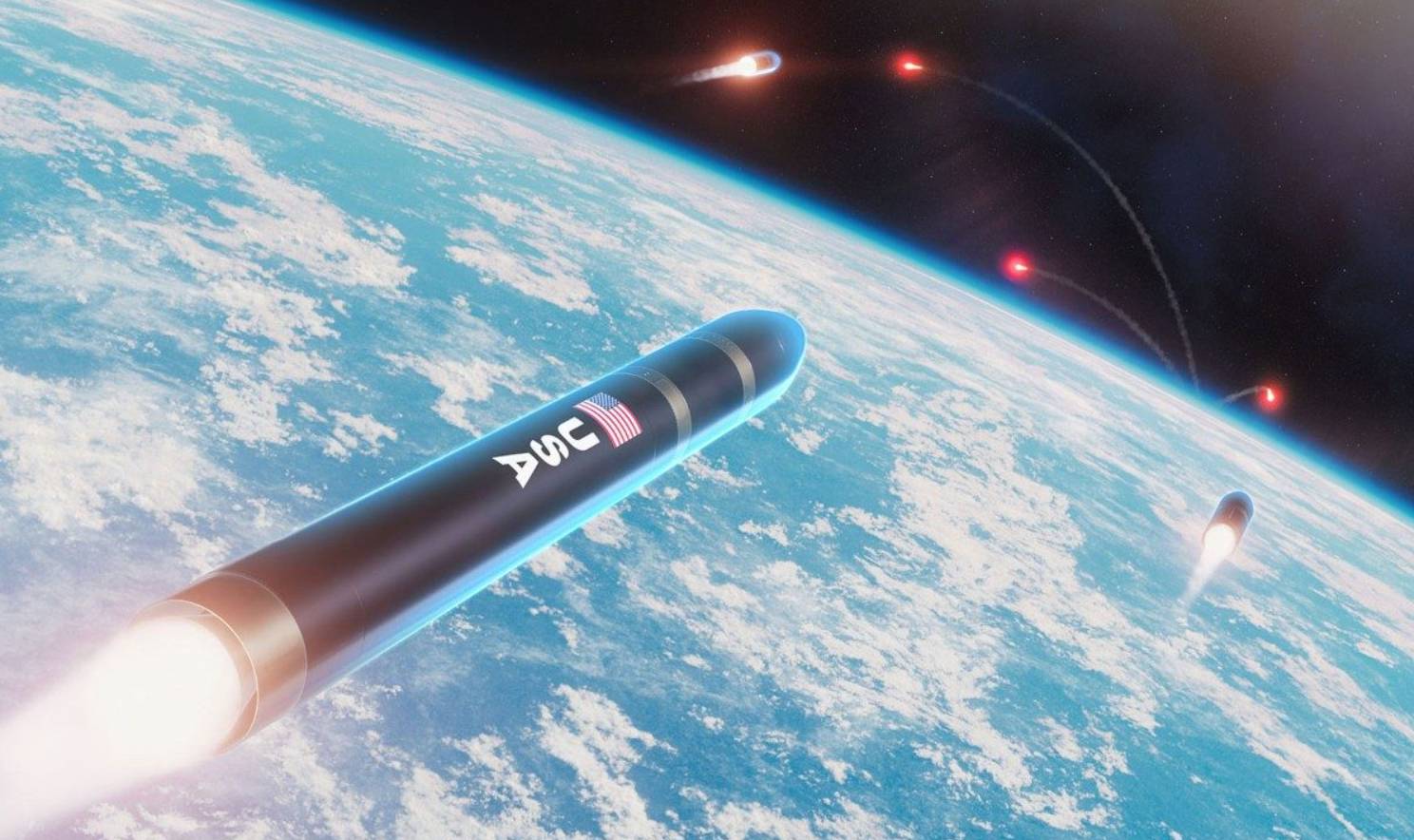
The concept of space interceptors under a so-called “Golden Dome” architecture reflects a growing shift in missile defense thinking: moving beyond ground-based interceptors alone toward a layered, persistent, space-enabled kill chain. In strategic terms, the idea is not simply about placing weapons in orbit. It is about building an integrated architecture that can detect, track, discriminate, and, where authorized, engage hostile missiles far earlier in flight than current terrestrial systems can reliably do.
You Might Also Like

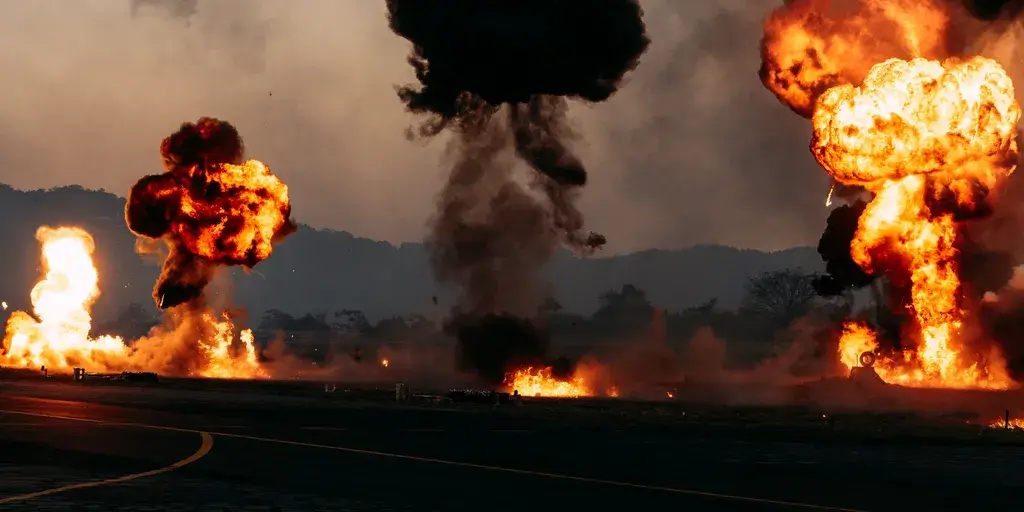
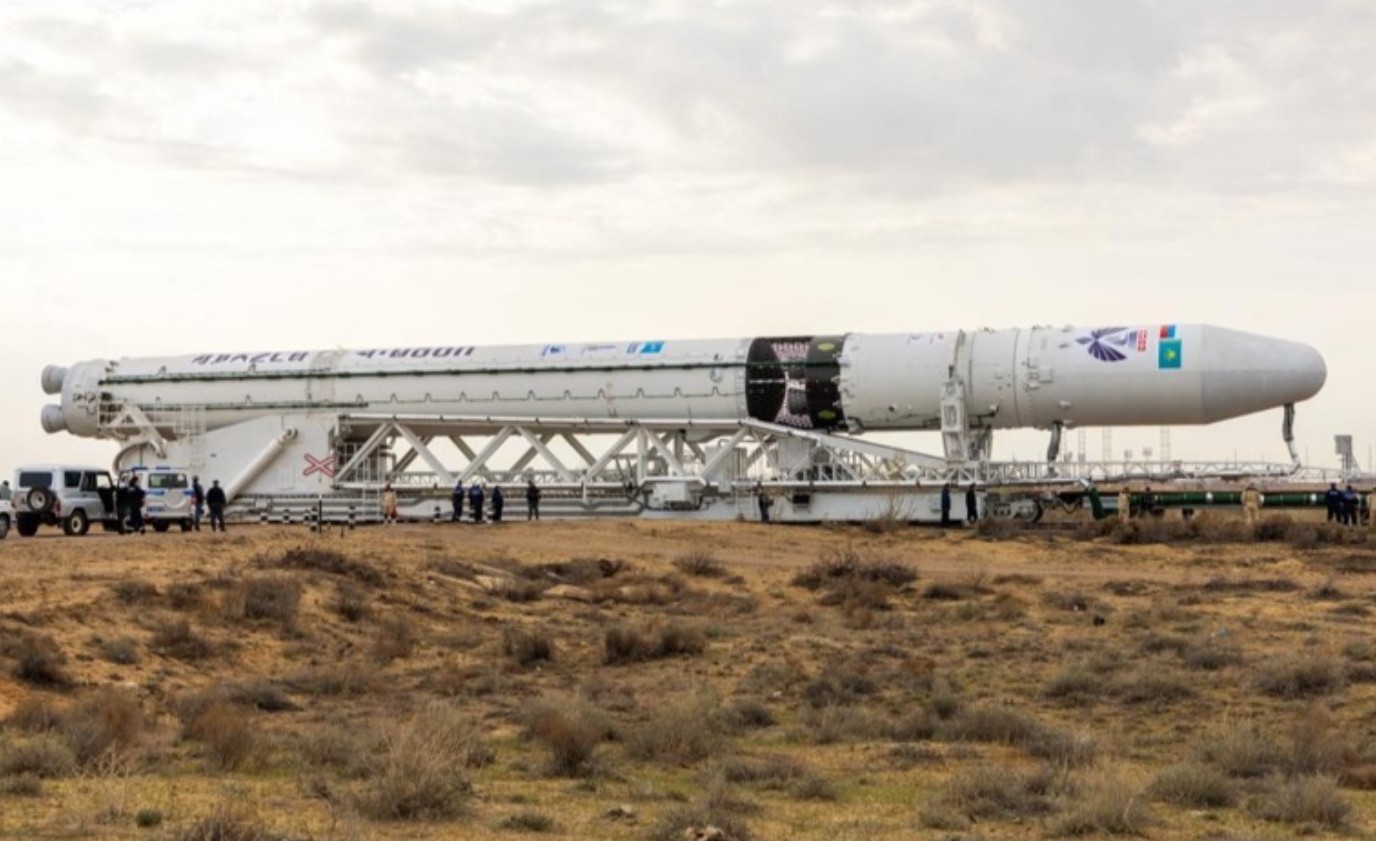
For planners, the attraction is obvious. Hypersonic glide vehicles, maneuvering reentry systems, and advanced cruise missiles are all designed to compress decision time and stress legacy air and missile defense networks. A space-based layer promises persistence, global coverage, and the ability to see over terrain, weather, and geography that constrain radar-based defenses. If executed at scale, a Golden Dome construct could create a missile defense umbrella with far greater reach than today’s regionally oriented systems.
What the architecture is trying to solve
Modern missile defense is increasingly a contest of time, geometry, and sensor fusion. The attacker seeks to shorten the engagement window and complicate discrimination; the defender seeks to detect launch earlier, maintain custody of the target, and pass a high-confidence fire-control solution to the right shooter. Space assets are attractive because they can maintain persistent observation over denied, remote, or cluttered regions, while also providing a resilient layer if terrestrial radars are jammed, degraded, or destroyed.
A Golden Dome architecture would likely be built around several functional layers:
- Early warning satellites for launch detection and plume recognition.
- Persistent tracking constellations to maintain custody of hypersonic and ballistic objects through midcourse and terminal phases.
- Battle management and fire-control nodes to fuse sensor data and assign intercept opportunities.
- Intercept layers that could include ground-based, sea-based, airborne, or space-based effectors depending on rules of engagement and technical maturity.
- Communications and data relay satellites to move targeting data rapidly across theaters and between services.
In doctrinal terms, this is a move toward a distributed kill web rather than a linear kill chain. The more the system can retain target custody across multiple sensors and multiple domains, the more it can reduce the attacker’s ability to exploit seams between radars, interceptors, and command nodes.
Space interceptors: promise and problem
The phrase space interceptor usually implies a platform in orbit designed to engage targets in space or during boost and ascent phases. That is strategically significant because earlier interception can, in theory, produce larger miss distances, reduce debris risks over defended territory, and simplify target discrimination before warheads and decoys separate. Boost-phase intercept is especially attractive against ballistic missiles because the target is bright, hot, and relatively slow compared with later-flight objects.
But the practical obstacles are severe. A space-based interceptor constellation would need to be large enough to ensure coverage, low enough to achieve timely engagement, and survivable enough to endure counterspace threats. Orbital mechanics also impose hard constraints: satellites are not positioned at will over a target area, and maintaining continuous engagement geometry requires many nodes. This means the architecture would likely need a substantial number of interceptors, persistent replenishment, and a robust launch industrial base.
There is also the issue of cost exchange. The defender must avoid a situation in which cheap offensive missiles force the deployment of prohibitively expensive orbital interceptors. If each interceptor is costly, the attacker can saturate the system economically even if the defense is technically sound. That is why any credible Golden Dome concept must pair interceptors with more affordable sensors, battle-management automation, and layered lower-cost effectors such as directed energy, electronic warfare, or conventional interceptors.
Why space matters operationally
From an operational perspective, the most important contribution of space is often not the interceptor itself but the sensor layer. Persistent space-based tracking can provide earlier cueing for regional defenses, enabling land- and sea-based interceptors to launch with better geometry and more time for midcourse updates. In effect, space becomes the enabling layer that turns local defenses into theater-wide or even homeland-integrated defenses.
This has major implications for force projection. A nation that can see missile launches globally and maintain custody through flight can protect expeditionary forces, forward bases, and national infrastructure with fewer blind spots. It also complicates enemy planning. An adversary must assume that launch signatures will be detected quickly, that tracking data will be shared across domains, and that the defender may be able to engage at multiple points in the trajectory.
That said, a space-enabled architecture also creates new dependencies. A system that relies heavily on satellites becomes more vulnerable to counterspace weapons, cyber intrusion, dazzling, jamming, and kinetic attack. In a conflict with a peer competitor, space assets will be among the first targets. So resilience is not optional; it is the architecture’s central requirement.
Representative architecture elements
The term “Golden Dome” suggests a layered shield, but the actual technical composition would be more complex. A realistic architecture would likely include the following classes of systems:
| Layer | Function | Operational value |
|---|---|---|
| Space-based infrared warning | Detect launches and missile plumes | Early warning and cueing |
| Persistent tracking satellites | Maintain custody of fast-moving targets | Improved discrimination and fire control |
| Terrestrial radars | Provide high-resolution terminal tracking | Refined intercept solutions |
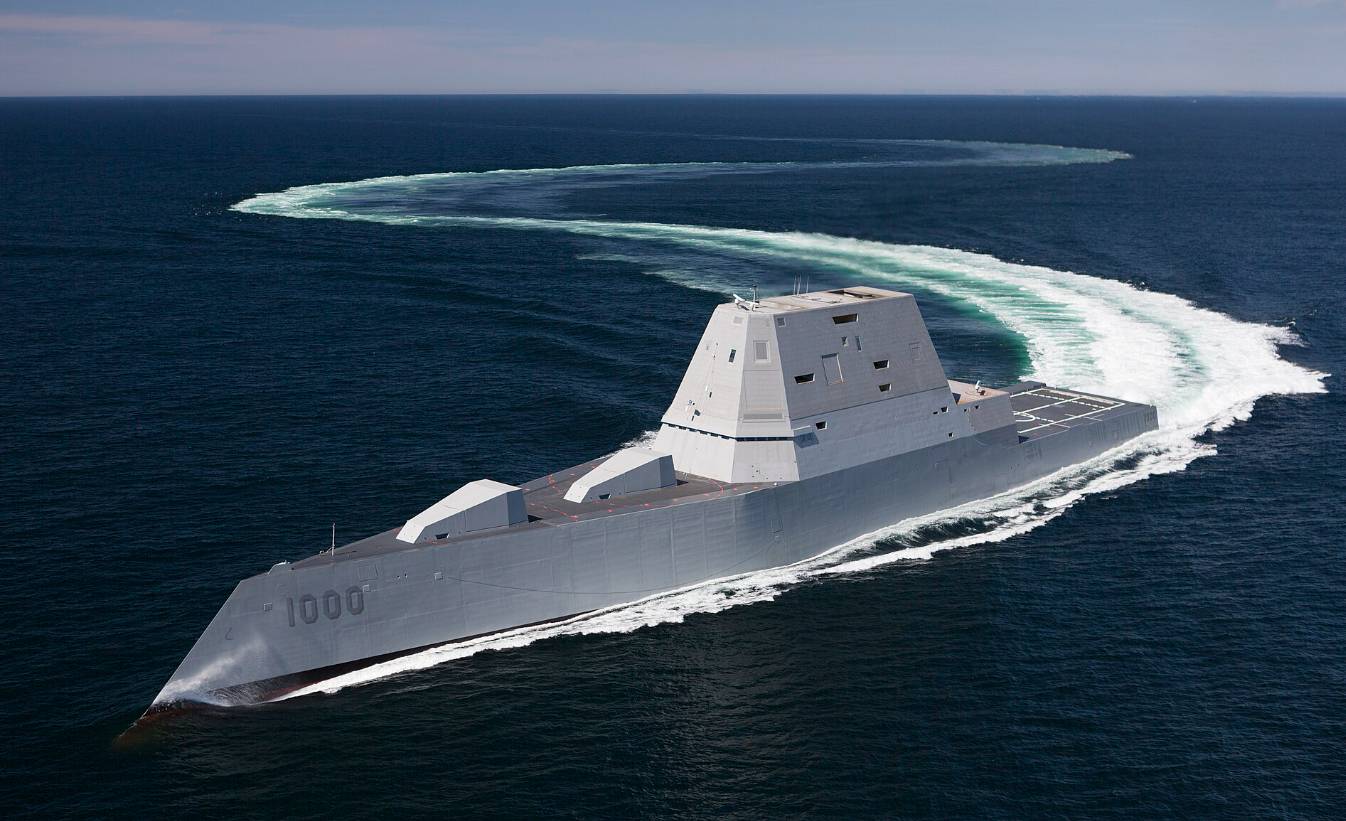
| Sea-based Aegis-style interceptors | Engage in midcourse or terminal phase | Mobile theater defense |
| Ground-based missile defenses | Defend homeland or critical regions | High-end point and area defense |
| Directed energy / future effectors | Lower-cost engagement against selected threats | Potential cost-exchange advantage |
The architecture’s success would depend on how well these layers are integrated. A sensor that cannot talk to an interceptor is merely an observer. A missile defense network that cannot fuse data at machine speed will struggle against salvos, decoys, and maneuvering threats. In this sense, the real innovation is likely to be software, networking, and battle management rather than the orbital interceptor itself.
Strategic implications for deterrence
Any move toward a space interceptor architecture would not occur in a vacuum. It would affect strategic stability, arms competition, and alliance politics. Defensively, such a system could strengthen deterrence by denial: if an adversary believes its missile force is less likely to succeed, the coercive value of that force declines. It may also reassure allies under extended deterrence umbrellas, especially those exposed to regional missile threats.
At the same time, the architecture could be perceived as destabilizing by rival powers if it is seen as eroding the credibility of their second-strike capabilities or providing a path toward first-strike immunity. Even if that perception is technically exaggerated, perception drives strategy. Rival states may respond by expanding arsenals, adding decoys and maneuvering vehicles, increasing counterspace capabilities, or accelerating their own prompt strike systems.
That dynamic is especially important in the context of great-power competition. A Golden Dome concept could be interpreted not merely as missile defense, but as a bid for strategic dominance in the space domain. If one side can track and intercept across the full trajectory of advanced missiles, it gains leverage over escalation management, crisis bargaining, and theater access. The other side will likely seek asymmetric counters rather than mirror-image defense.
Doctrine, command, and decision speed
The human dimension remains central. The more sensors and interceptors are placed into orbit or connected through a wide-area network, the more the system depends on command-and-control discipline. Rules of engagement, positive identification, fratricide prevention, and escalation control become harder, not easier, in a high-tempo environment. Automated cueing can reduce latency, but it also introduces risk if false tracks, spoofing, or sensor errors propagate through the network.
For this reason, a Golden Dome architecture would likely require:
- Machine-assisted battle management to compress decision cycles.
- Redundant communications paths to survive jamming and kinetic attack.
- Cross-domain integration across air, space, maritime, and cyber forces.
- Layered authorization protocols for peacetime, crisis, and wartime conditions.
In practical terms, the system must be designed to function under degraded conditions. A missile defense architecture that works only in test conditions is strategically brittle. The side that can preserve sensor fidelity, command continuity, and interceptor availability after first contact will hold the advantage.
Industrial and political realities
The scale of such an undertaking would be immense. A meaningful constellation of warning and tracking satellites, paired with intercept-capable platforms, would require sustained launch capacity, hardened supply chains, and a healthy semiconductor and payload manufacturing base. Procurement would likely need to move away from boutique, exquisite satellites toward proliferated, replaceable systems that can be refreshed quickly after attrition.
Politically, the project would be sold as homeland defense and protection of deployed forces. But it would also invite scrutiny over escalation risks, treaty interpretations, and the militarization of orbit. Even where formal legal barriers are limited, the diplomatic consequences would be significant. Allies may welcome improved protection, while rivals will denounce the move as destabilizing and potentially offensive in nature.
Ultimately, the value of a Golden Dome architecture will rest on whether it can deliver credible, resilient, and affordable defense against the missile threat set of the 2030s and beyond. If it becomes merely an expensive symbol, it will invite saturation and countermeasures. If it becomes a genuinely distributed, layered, and survivable system, it could reshape deterrence and force projection for a generation.
What makes the concept strategically compelling is also what makes it difficult: it asks space to do what space has historically done best, which is enable the rest of the force, while now also asking it to become part of the intercept solution itself. That is a profound shift in military architecture, and one that will be watched closely by every major power with missiles, satellites, and ambitions of its own.