

When measuring airpower by fighter jets per capita, the answer is not simply which state hosts the most aircraft, but which state concentrates the greatest number of combat jets relative to its population. That distinction matters because a large state with a major Air National Guard base can still rank lower per resident than a smaller state with a dense cluster of operational units, training wings, and reserve assets.
In the United States, fighter jet density is shaped by a mix of Active Duty Air Force basing, Air National Guard alert missions, Navy and Marine Corps aviation presence, training ranges, and strategic geography. States with major air defense responsibilities, long runways, favorable weather, and large training areas often accumulate disproportionate numbers of tactical aircraft.
What counts as a fighter jet
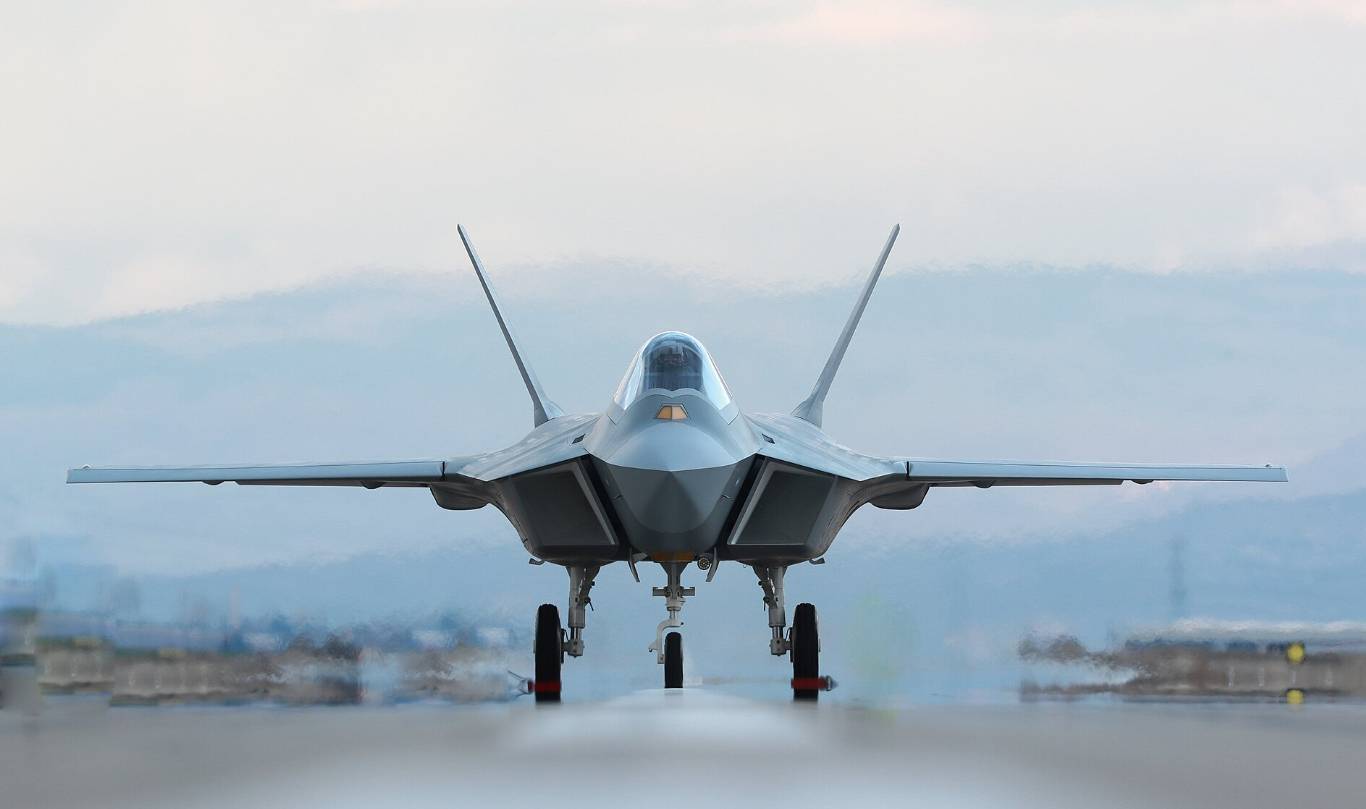
For this ranking, “fighter jets” typically includes frontline tactical aircraft such as the F-15, F-16, F-22, F-35, F/A-18, and similar combat-coded aircraft. Depending on the dataset, some analysts also include aircraft assigned to aggressor squadrons, test units, and reserve formations. Transport aircraft, tankers, and bombers are excluded.
Because exact inventories shift constantly due to deployments, depot maintenance, and rotations, per-capita rankings are best viewed as approximate and operationally contextual, not as permanent absolutes.
States that usually lead in fighter jets per capita
The states that often rise to the top are not always the largest in raw aircraft totals. Instead, they are the places where tactical aviation is concentrated against a relatively modest population base. A few examples consistently appear near the top:
- Alaska — high concentration of Air Force fighter units tied to Arctic defense and North Pacific response missions.
- Hawaii — fewer total aircraft than mainland hubs, but a very small population base and strategically important fighter presence.
- South Dakota — home to major Air National Guard fighter units and a small population, producing a strong per-capita ratio.
- Vermont — smaller population and a notable Air National Guard fighter presence.
- Louisiana and Florida — can rank strongly when counting multiple fighter and strike-fighter units, though populations are larger.
States such as California, Texas, and Florida may host large absolute numbers of fighter aircraft, but their very large populations usually reduce their per-capita ranking compared with smaller states.
Approximate comparison table
The table below provides a simplified analytical view using qualitative density rather than a fixed official inventory, since fighter counts change over time and not all aircraft are permanently stationed in one state.
| State | Typical fighter presence | Population factor | Per-capita ranking tendency |
|---|---|---|---|
| Alaska | High | Low | Very high |
| Hawaii | Moderate | Low | Very high |
| South Dakota | Moderate to high | Very low | Very high |
| Vermont | Moderate | Very low | Very high |
| Florida | High | High | Moderate |
| California | High | Very high | Moderate to low |
| Texas | High | Very high | Moderate to low |
Why small states can dominate the per-capita metric
Per-capita analysis rewards concentration. A state with 24 to 48 fighters and a population under one million will often outrank a state with 60 or more fighters and a population above 20 million. That makes states like Alaska and South Dakota especially prominent in this metric.
There are also operational reasons for this concentration. Fighter units need airspace, range access, and low-conflict basing. Remote states often provide:
- Large instrument training areas
- Fewer civilian airspace constraints
- Cold-weather or over-water training environments
- Rapid access to strategic intercept zones
Operational trade-offs
High fighter density is not a sign of prestige alone; it reflects a balance of logistics, readiness, and geography. For example, basing fighters in Alaska supports homeland defense and Arctic response, but it also imposes harsher maintenance conditions and weather-driven sortie limitations. Hawaii offers strategic reach into the Indo-Pacific, but island basing increases supply-chain dependence and vulnerability to weather and corrosion.
Meanwhile, states with larger populations may host more aircraft overall, but their airpower is more diffuse across multiple missions, including training, logistics, and reserve aviation. That distribution lowers the per-capita fighter count even when absolute aircraft totals are high.
Bottom line
If the question is which U.S. states have the most fighter jets per person, the usual leaders are Alaska, Hawaii, South Dakota, and Vermont, with rankings changing as units rotate, modernize, or relocate. The key takeaway is that per-capita fighter density favors strategically important but lightly populated states rather than the biggest states by land area or total aircraft count.